Category: Emerging Therapy
-
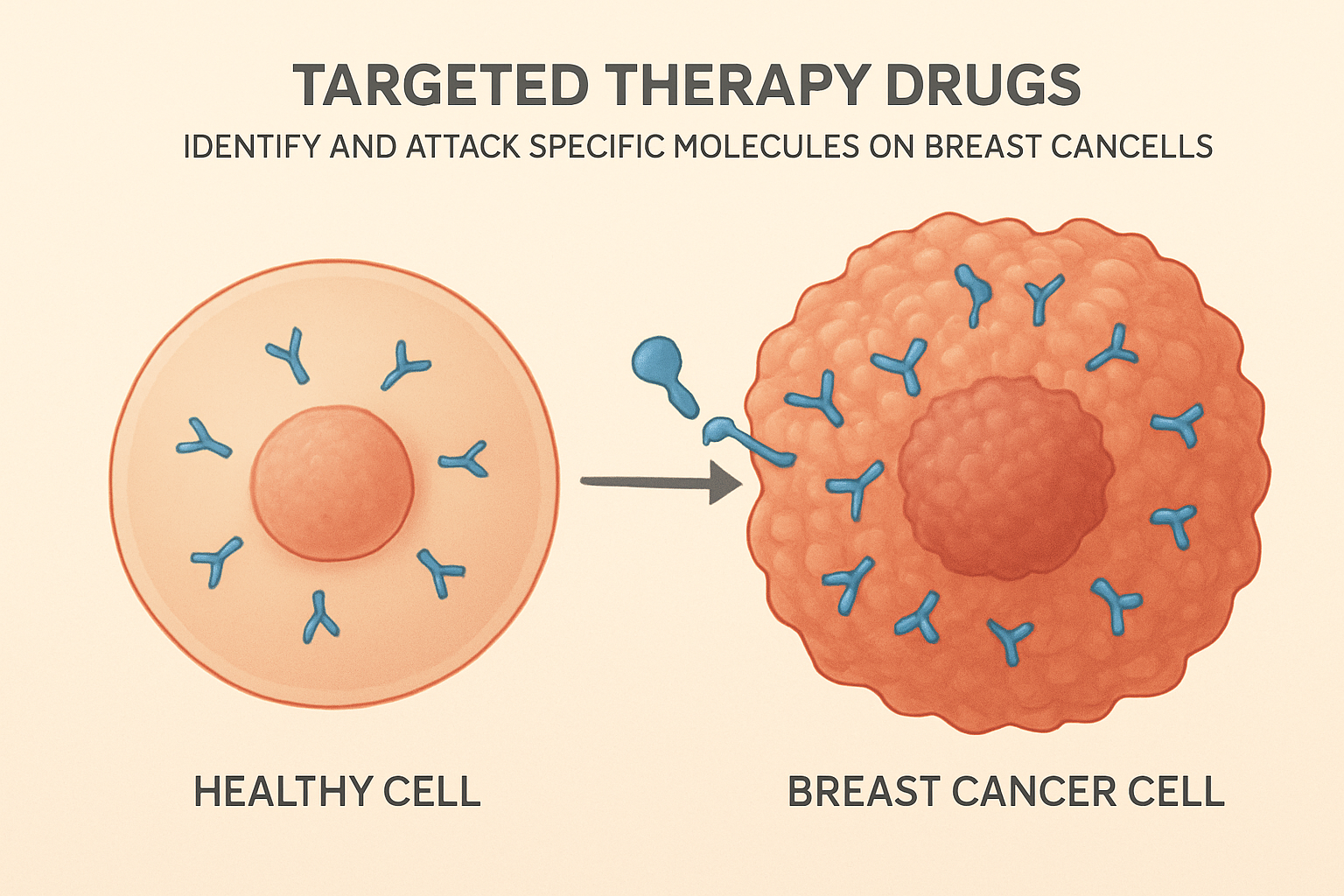
Understanding Targeted Therapy: A New Approach in Breast Cancer
Targeted therapy is changing the way breast cancer is treated by focusing on specific features of cancer cells. Learn how targeted therapies differ from traditional treatments, who may be eligible, and what patients can expect during treatment.
-
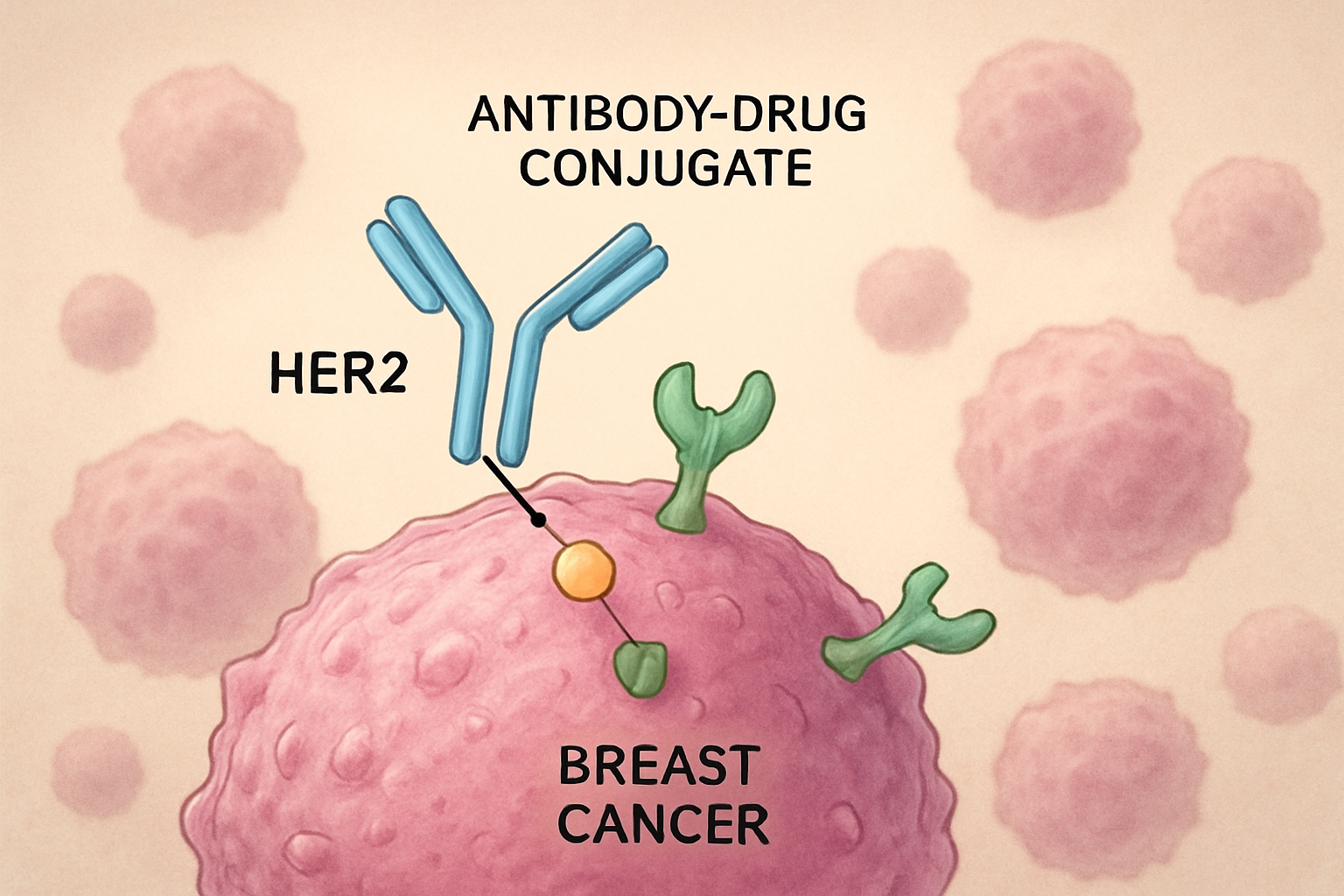
Understanding Targeted Therapy for HER2+ Breast Cancer: New Advances Explained
Targeted therapy has transformed treatment options for people diagnosed with HER2-positive (HER2+) breast cancer. This article explains what targeted therapy is, why it matters, and the latest advancements that patients and families should know about.
-
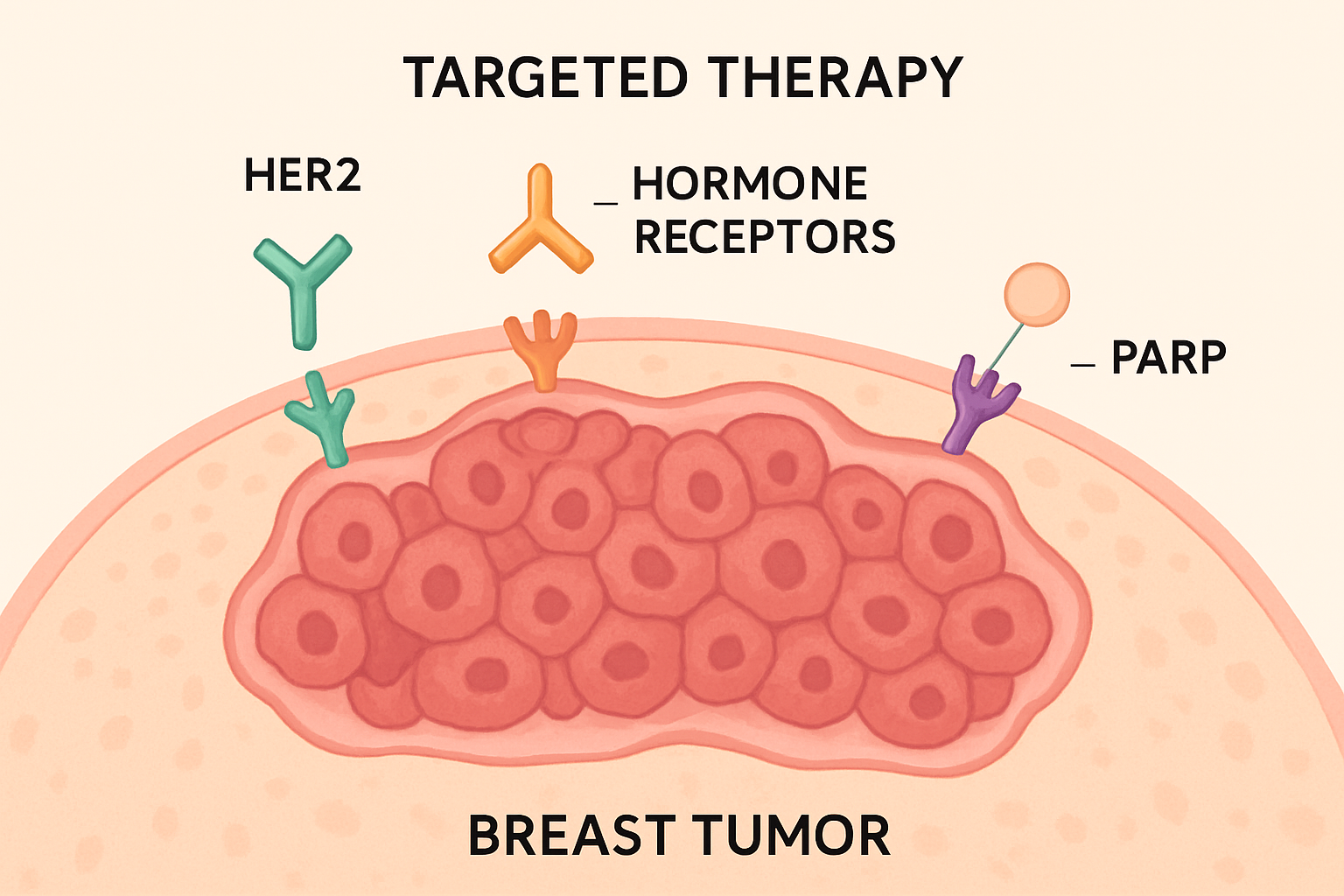
Understanding Targeted Therapies in Breast Cancer: What Patients Should Know
Targeted therapies are an important and growing area in breast cancer treatment, offering new options based on the specific molecular features of each tumor. This article explains how targeted drugs work, the different types available, their potential benefits and side effects, and what current research means for patients today.
-
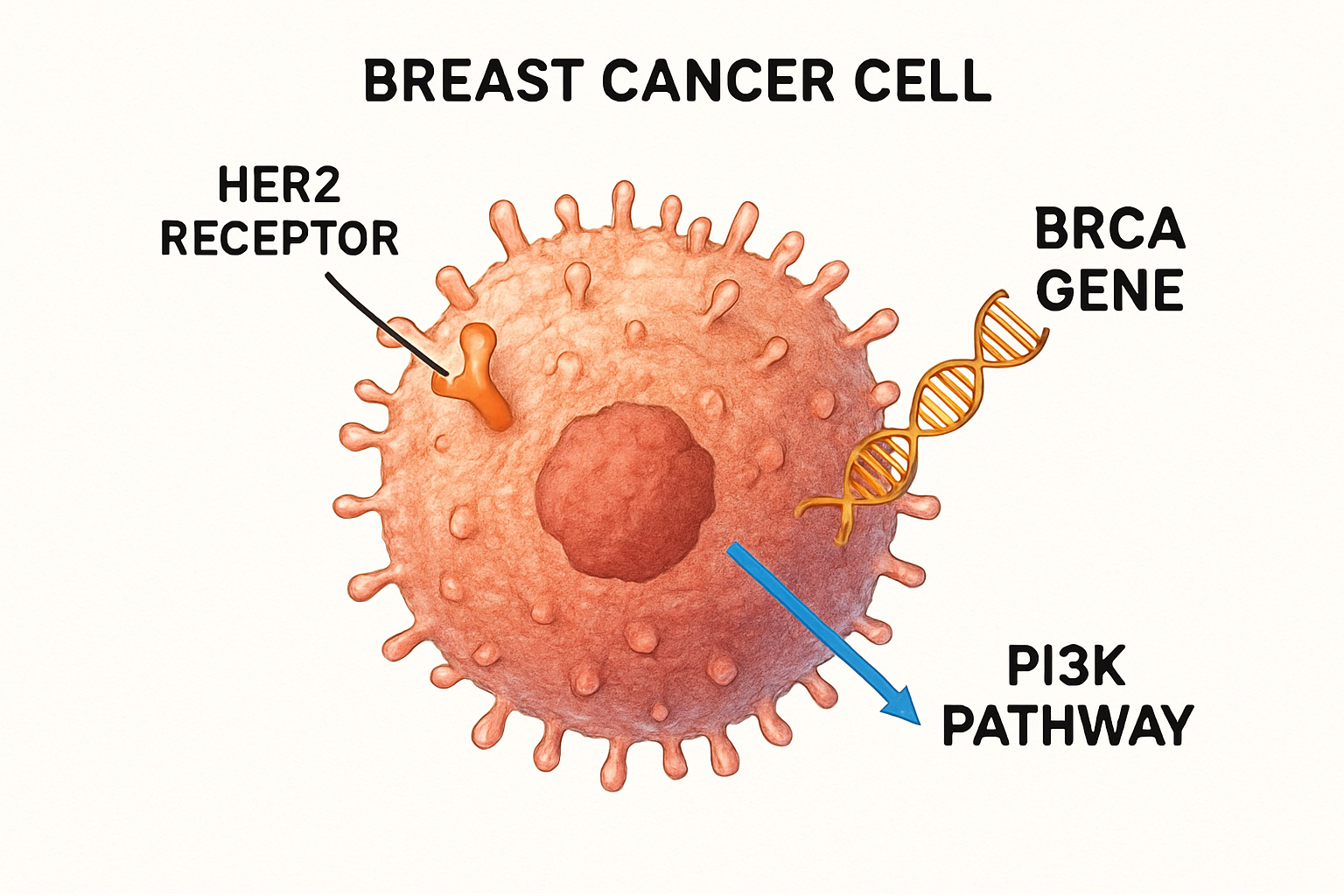
Understanding Targeted Therapy in Breast Cancer: Is It Right for You?
Targeted therapy is a newer, more personalized approach to treating breast cancer that focuses on specific features of cancer cells. This article explains how targeted therapy works, who may benefit, and what patients can expect from emerging treatments.
-

Understanding Genetic Testing and Targeted Therapy in Breast Cancer
Genetic testing can reveal important information about a person’s breast cancer, guiding choices for targeted therapies that may be more effective and personalized. This article explains how genetic information shapes modern breast cancer treatment and what emerging targeted therapies mean for patients and families.
-
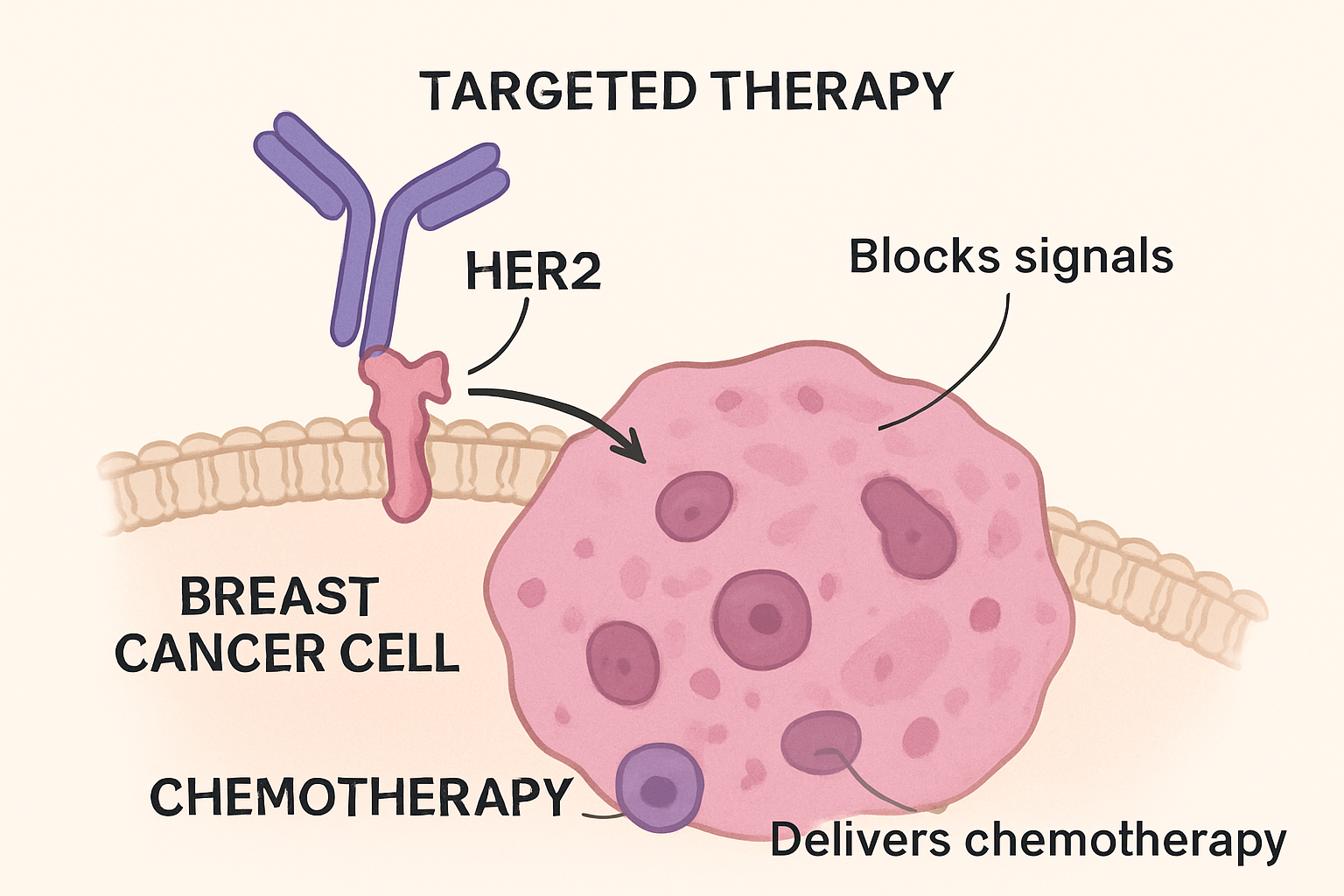
Understanding Targeted Therapies for HER2-Positive Breast Cancer
HER2-positive breast cancer can be more aggressive, but advances in targeted therapy have created new options for patients. This article explains how emerging targeted treatments work for HER2-positive breast cancer and what patients and families should know. We cover the science, examples of therapies, and key considerations.
-
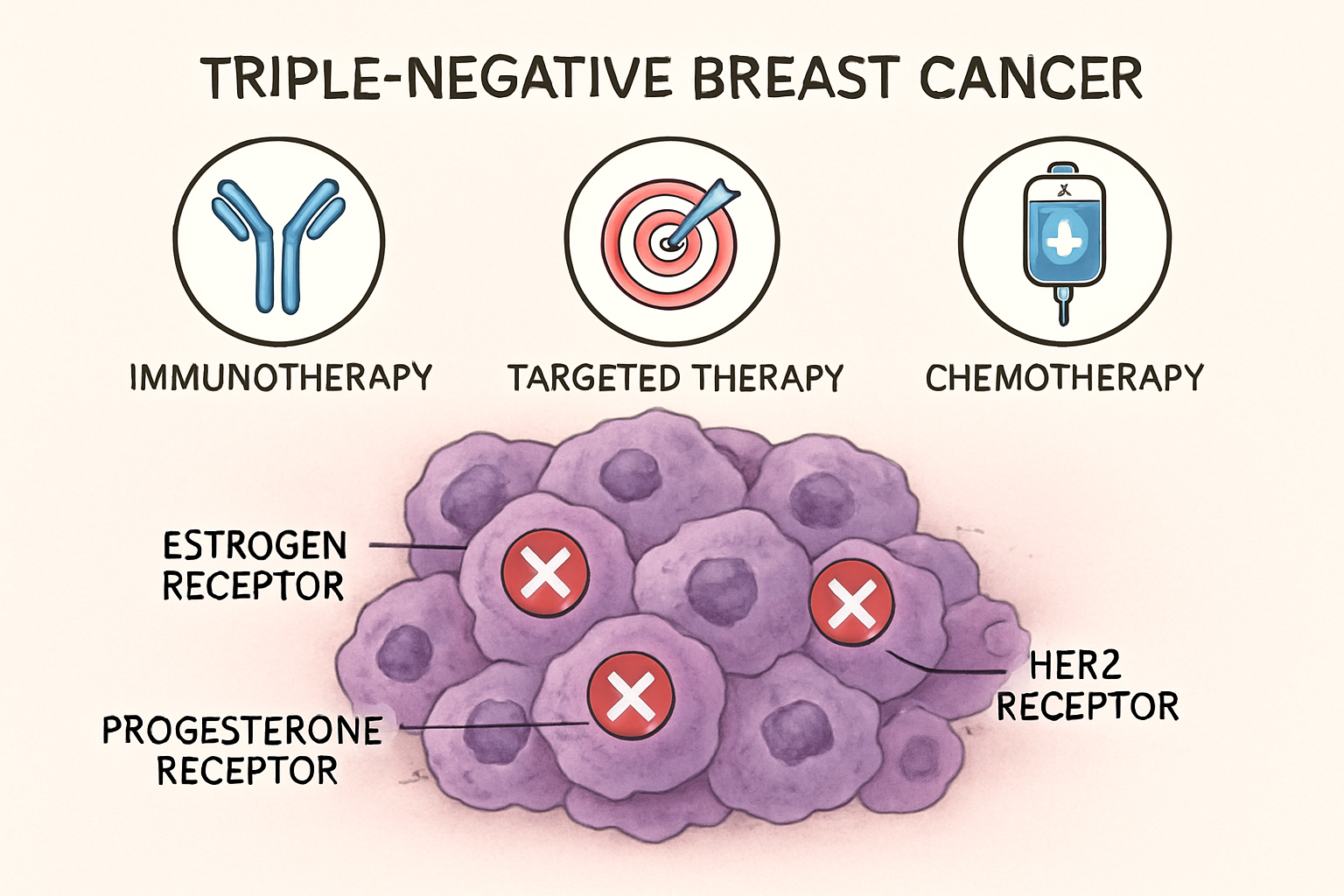
Understanding Triple-Negative Breast Cancer: Challenges and Treatment Advances
Triple-negative breast cancer (TNBC) is a rare but aggressive subtype that lacks common hormone receptors, making it more difficult to treat. This article explains the unique characteristics of TNBC and reviews emerging therapies, offering support and guidance for patients and families navigating this diagnosis.
-

Understanding Targeted Therapy in Breast Cancer: What Patients Need to Know
Targeted therapy is an evolving approach to treating breast cancer by specifically attacking cancer cells while minimizing damage to healthy cells. This article explains how targeted therapy works, the types available, potential benefits, and limitations for breast cancer patients. Learn what this promising option may mean for you or your loved one.
-

Understanding Immunotherapy: What Breast Cancer Patients Should Know
Immunotherapy has become an important area of research for breast cancer treatment. This article explains what immunotherapy is, its current role in breast cancer, who may be eligible, and what patients can realistically expect. It covers potential benefits, risks, and areas where more research is still needed.
-
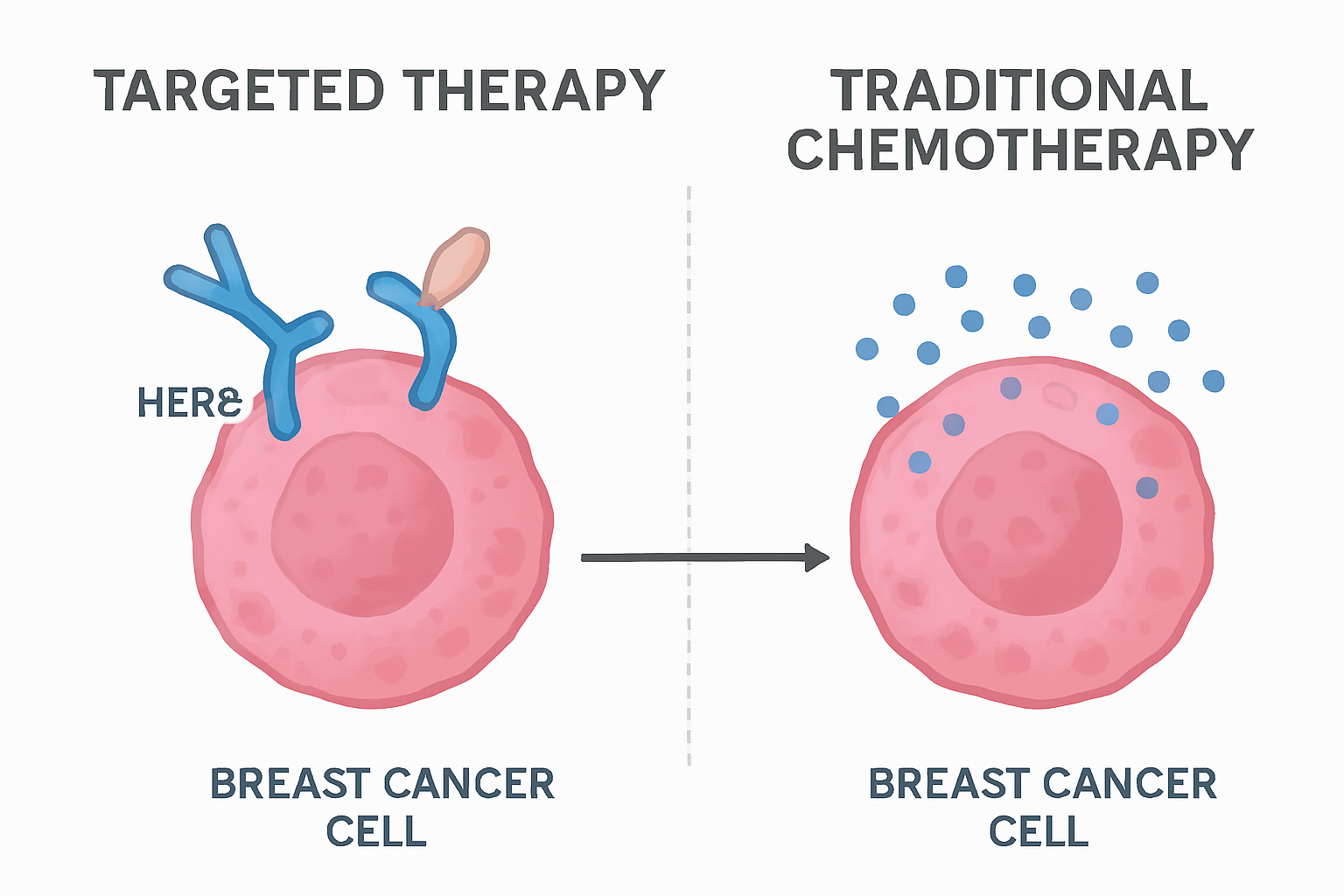
Understanding Targeted Therapy for Metastatic Breast Cancer: Latest Advancements and Patient Insights
Targeted therapies offer new hope for those facing metastatic breast cancer by focusing on specific features of cancer cells. This article explains how these emerging treatments work, who may benefit, and what questions patients should consider. Gain clarity about the latest innovations in this evolving treatment landscape.
-
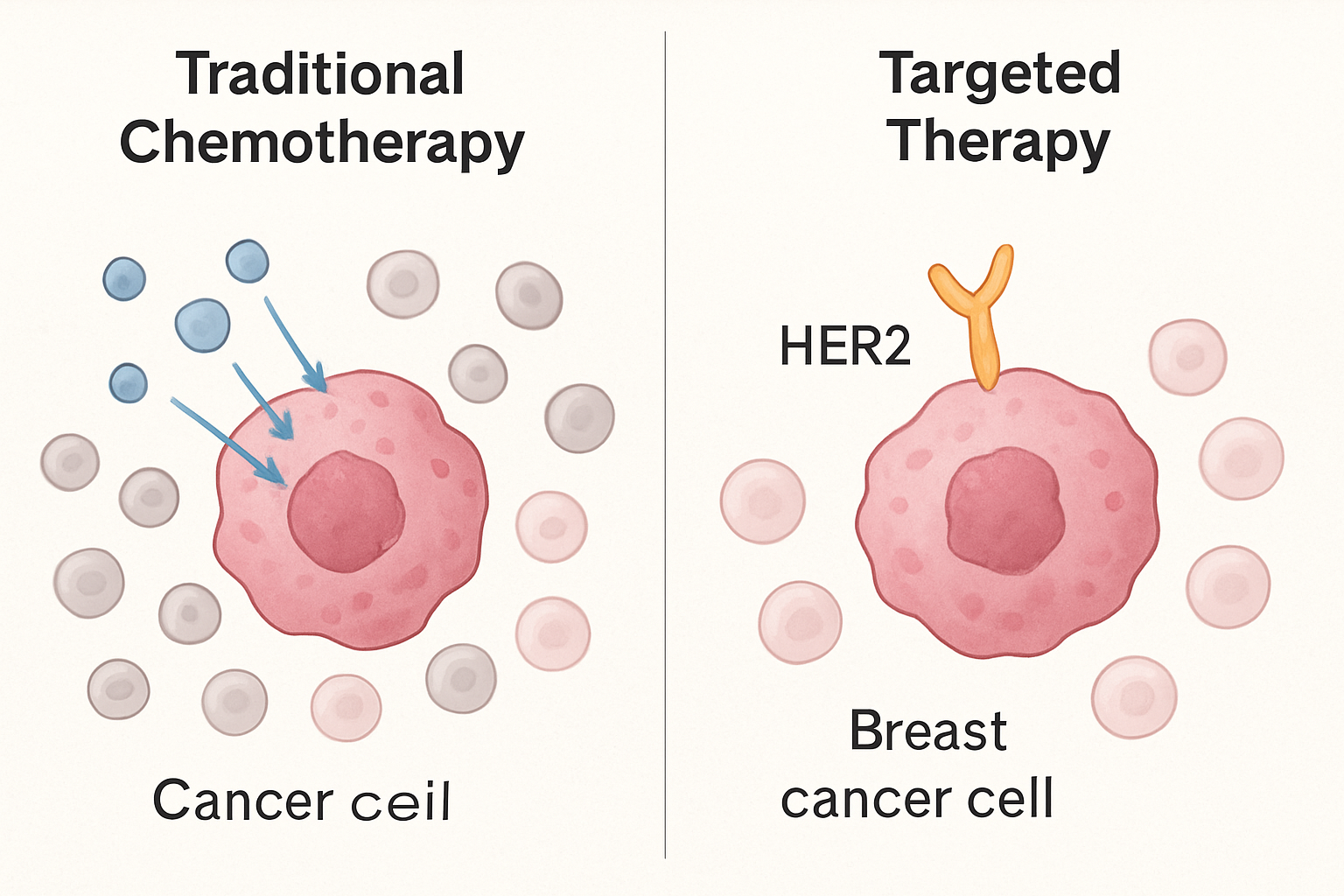
Understanding Targeted Therapy in Breast Cancer: How It Works and Who Benefits
Targeted therapy has become an important option in treating certain types of breast cancer. This article explains what targeted therapies are, how they differ from traditional treatments, and which patients might benefit from them. Learn what patients should know about these evolving therapies to make informed decisions with their healthcare team.