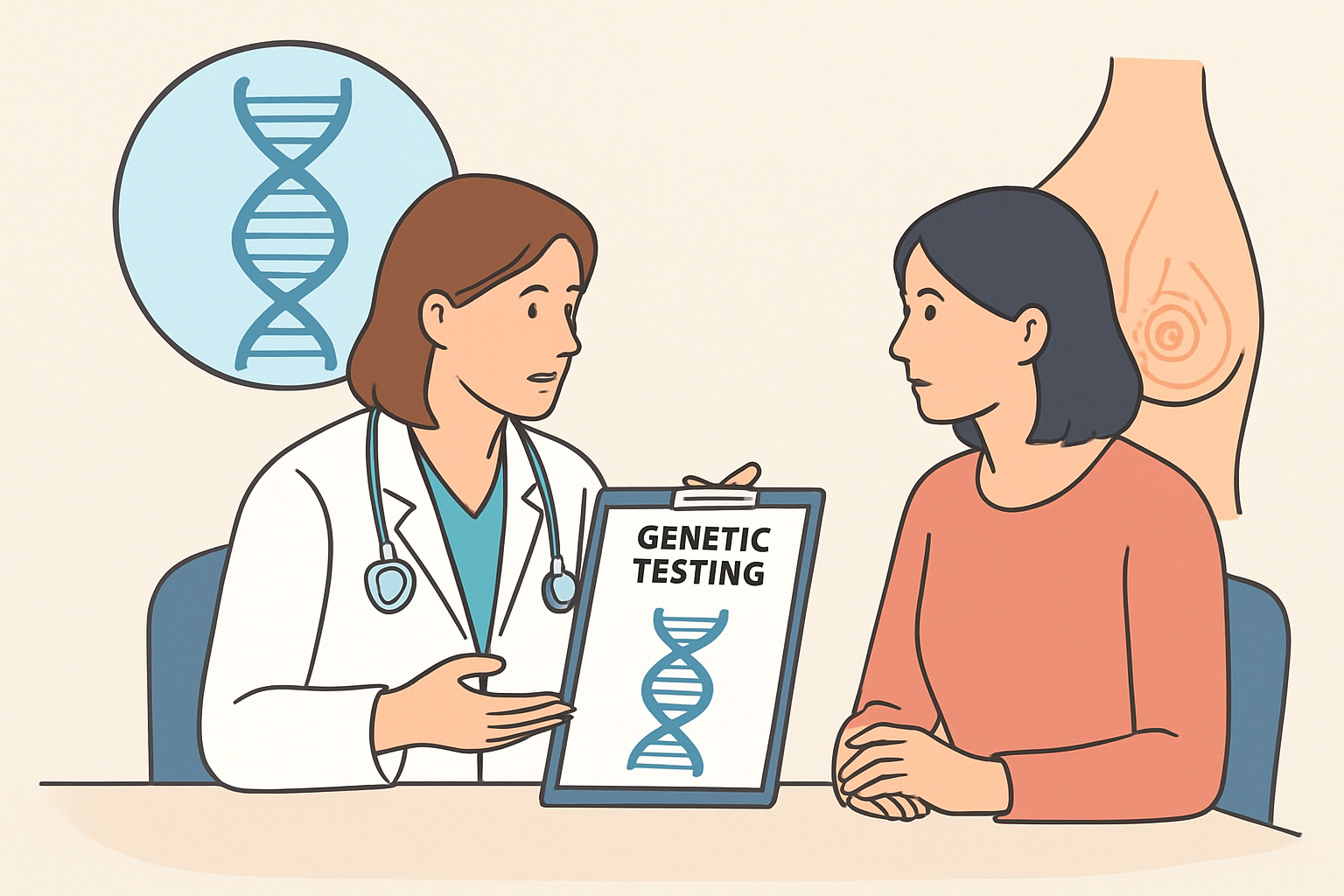
Breast cancer is one of the most common cancers diagnosed worldwide. In recent years, genetic testing has become an increasingly important tool in understanding an individual’s risk for developing breast cancer, shaping treatment decisions, and supporting families in making health choices. If you or a loved one is newly diagnosed or has a family history of breast cancer, understanding when and why genetic testing may be recommended is a crucial first step. This basic guide walks you through what genetic testing means in the context of breast cancer, why it matters, the actual process, and what the results may—or may not—tell you.
Key Takeaway
Genetic testing can identify inherited risk factors for breast cancer and guide treatment and prevention strategies. Patients should discuss with their healthcare provider whether genetic testing is the right choice for them.
What Is Genetic Testing in Breast Cancer?
Genetic testing in breast cancer generally refers to analyzing a person’s DNA to look for inherited mutations (changes) in certain genes that increase the risk of developing breast cancer. The most well-known genes linked to breast cancer risk include BRCA1 and BRCA2, but other genes, such as PALB2, CHEK2, and ATM, may also be important. These genetic changes can be passed down from one generation to the next and may raise the lifetime risk for developing breast cancer and, in some cases, ovarian and other cancers.
Genetic testing may be offered for several reasons:
- Diagnosed with breast cancer at a young age (usually under 50)
- Triple-negative breast cancer diagnosis
- Strong family history of breast, ovarian, pancreatic, or prostate cancer
- A relative with a known mutation linked to breast cancer
- Known ancestry with higher rates of hereditary mutations (for example, Ashkenazi Jewish descent)
Why Is Genetic Testing Important?
Understanding your genetic risk can have several benefits:
- Informing Treatment Choices: Some inherited mutations may influence how a breast cancer is treated (for example, by guiding decisions about surgery or targeted therapies).
- Guiding Prevention: Knowing about genetic mutations may highlight increased risk not just for breast cancer, but also for other cancers. This can lead to recommendations for risk-reducing surgery, increased screening, or preventative medications.
- Helping Family Members: If a mutation is found, close relatives may also choose to be tested. This information can empower family members to make their own informed choices about screening and prevention.
However, it is also important to note that not all breast cancers are due to inherited genetic mutations—many happen by chance or are influenced by environmental or lifestyle factors.
How Does Genetic Testing Work?
The process of genetic testing generally involves several steps:
- Genetic Counseling: Before testing, a session with a genetics specialist or a trained healthcare provider is recommended. This helps explain what the test looks for, the possible results, and what these results might mean for you and your family.
- Sample Collection: Most tests use a blood or saliva sample, which is sent to a certified laboratory.
- Laboratory Analysis: The lab examines your DNA for specific inherited changes associated with breast cancer risk.
- Receiving Results: Results usually return in a few weeks. They will be explained in detail, often in another counseling session.
Test results may be one of the following:
- Positive for a Pathogenic Mutation: A known harmful change was found that increases cancer risk.
- Negative: No harmful mutations were found in the tested genes.
- Variant of Uncertain Significance (VUS): A genetic change was found, but it is not clear whether it increases cancer risk. Over time, scientists may learn more about what these changes mean.
Who Should Consider Genetic Testing?
- Anyone diagnosed with breast cancer at a young age (usually under 50)
- Those with triple-negative breast cancer, or certain pathology findings
- Men diagnosed with breast cancer
- Individuals with a significant family history of breast or ovarian cancer, especially in close relatives and at younger ages
- Anyone with a family member who has a known breast cancer gene mutation
- Certain ancestry backgrounds, such as Ashkenazi Jewish descent, which have higher rates of BRCA mutations
Professional bodies such as the American Society of Clinical Oncology (ASCO) and the National Comprehensive Cancer Network (NCCN) provide detailed guidelines on who should be referred for genetic counseling and possible testing. It is important to talk with your healthcare provider about your personal and family history to decide if testing is appropriate.
Benefits and Limitations of Genetic Testing
Genetic testing can be a powerful tool, but it is not right for everyone, and it does have some limitations. Consider the following:
- Empowers Risk Reduction: For those with a mutation, there are options to lower cancer risk, such as increased surveillance, lifestyle changes, medications, or preventative surgery.
- Customized Treatment: Some targeted therapies, such as PARP inhibitors, are more effective in people with certain genetic mutations, particularly BRCA1/2.
- Emotional Impact: Learning about cancer risk can be stressful for some, and having a supportive counseling environment is important.
- Does Not Predict Cancer with Certainty: Even with a mutation, it is not certain you will develop cancer—just that your risk is higher. Likewise, a negative result does not guarantee immunity.
- Variants of Uncertain Significance: Sometimes results are unclear, which can be frustrating and create uncertainty.
- Costs and Insurance: Access and coverage for genetic counseling and testing can vary depending on where you live, insurance, and your medical or family history.
The Role of Genetic Counseling
Because of the complexity and potential implications, genetic counseling is an essential part of the testing process. Genetic counselors help you understand your personal and family risk, what the test can and cannot tell you, and help interpret results. Counseling can also help you navigate feelings of anxiety and assist you in sharing results responsibly with family members.
If you are considering genetic testing, ask your care team for a referral to a licensed genetic counselor or a health care professional with experience in hereditary cancers.
How Genetic Test Results Affect Treatment and Family
If you are currently being treated for breast cancer and have a relevant genetic mutation, your care team may discuss options such as:
- Different surgical approaches (for example, double mastectomy in certain cases)
- Eligibility for targeted therapies (such as PARP inhibitors for BRCA mutations)
- Recommendations for additional cancer screenings
If a pathogenic mutation is discovered, family members may also consider testing so they can make informed decisions about their own health. Early detection and risk reduction strategies can be lifesaving.
Common Questions About Genetic Testing for Breast Cancer
- Is genetic testing always necessary? No. It is recommended for certain risk groups, not for all individuals with breast cancer. Discuss your personal and family history with your healthcare provider.
- Will my insurance cover genetic testing? Coverage varies by country, region, and individual insurance providers. Many policies do cover testing for people who meet certain clinical criteria.
- Can testing affect my ability to get insurance? Laws differ, but many countries have legislation to protect against genetic discrimination for health insurance. Check regulations in your area and discuss concerns with your provider or counselor.
- Should healthy people get tested? Generally, only those with a strong family history, known mutations in the family, or other risk factors are advised to undergo testing. General population screening is not the standard.
What Patients Should Know
If you are newly diagnosed with breast cancer or know you have a family history, genetic testing might be a helpful part of your care or long-term planning. Here’s what’s most important:
- Genetic testing can provide information that may impact your treatment and guide prevention for your family.
- Not all breast cancers are genetic, and not all genetic test results will clearly change your care plan.
- Genetic counseling before and after testing is essential for understanding the complexities and for emotional support.
- Testing is evolving, so recommendations may change over time. Stay in contact with your care team if new information arises.
Always work with trusted medical professionals for individualized guidance. If you would like to learn more about genetic testing, talk to your primary care provider, breast cancer specialist, or a certified genetic counselor.
Sources
American Society of Clinical Oncology (ASCO), National Comprehensive Cancer Network (NCCN), American Cancer Society, Centers for Disease Control and Prevention (CDC), National Institutes of Health (NIH), BreastCancer.org, peer-reviewed journals and clinical guidelines on hereditary breast cancer.
Leave a Reply