Category: Basic Guide
-
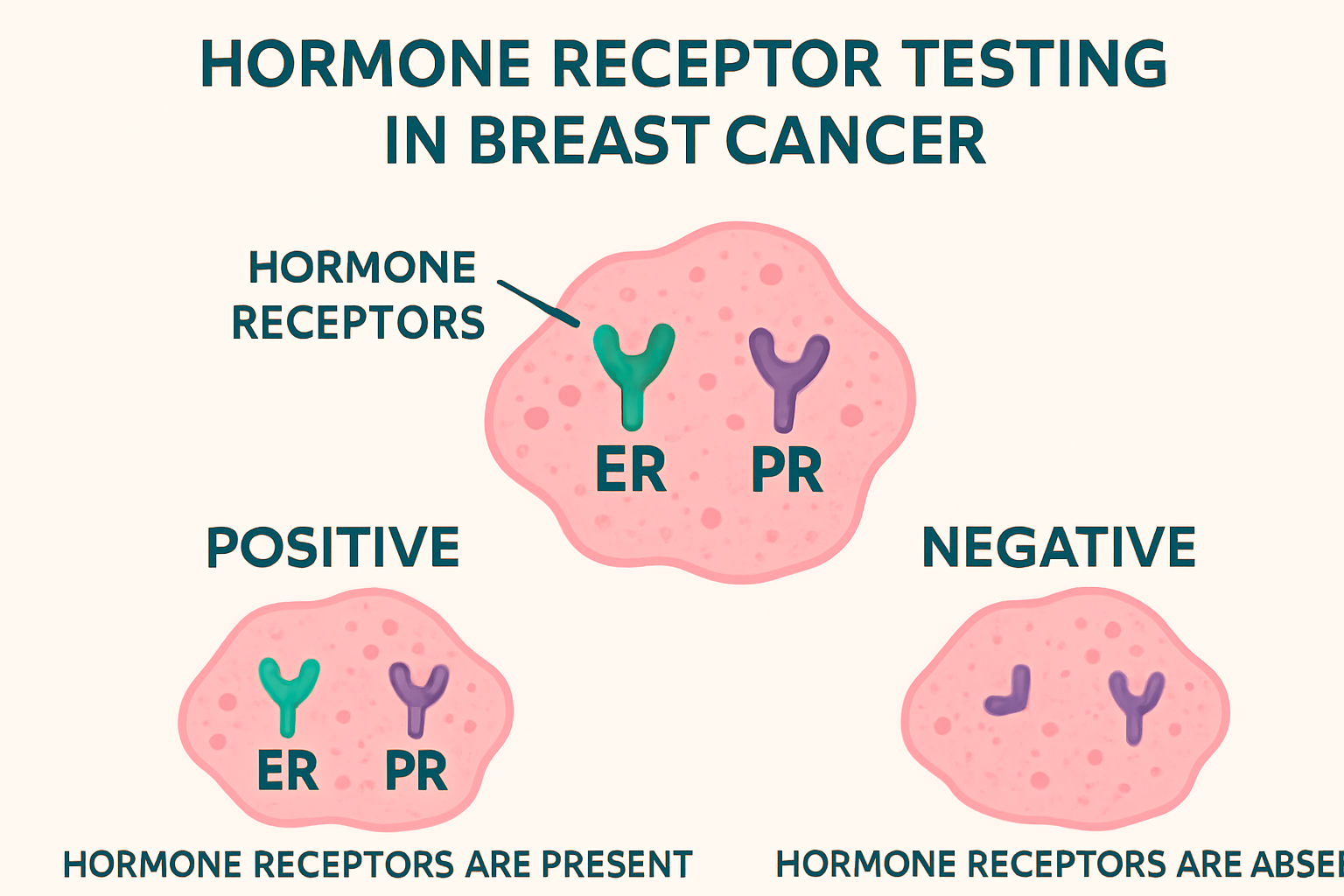
Understanding Hormone Receptor Testing: What It Means for Breast Cancer Treatment
Hormone receptor testing is a critical step in the diagnosis and treatment planning for breast cancer. This guide explains how hormone receptor status affects therapy choices and prognosis, helping patients and caregivers make sense of an essential part of modern breast cancer care.
-
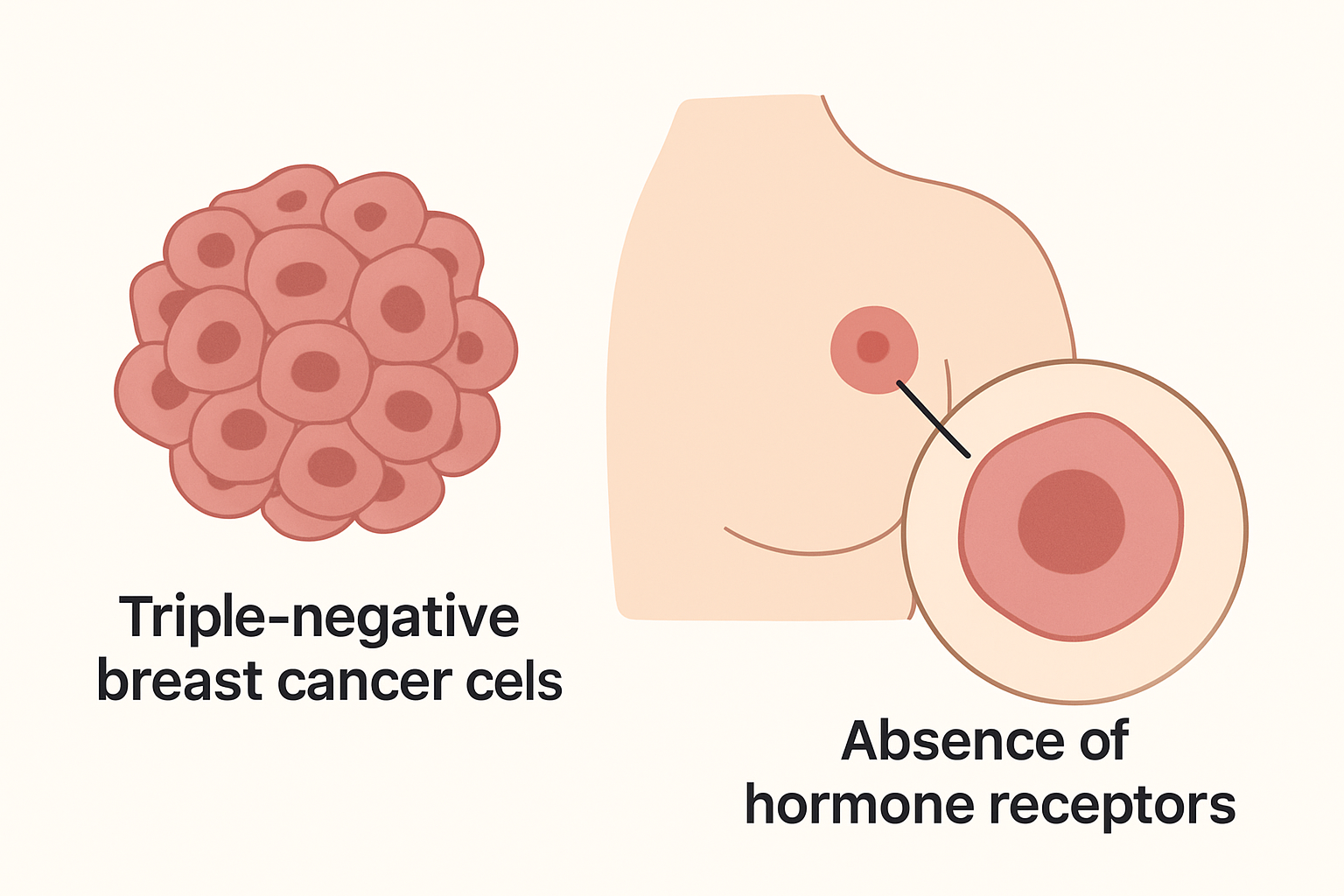
Understanding Triple-Negative Breast Cancer: Risks and Treatment Advances
Triple-negative breast cancer (TNBC) is a unique and aggressive form of breast cancer, defined by the absence of certain hormone receptors. This guide explains the risks, diagnosis, treatment advances, and what patients and caregivers need to know about this challenging subtype.
-
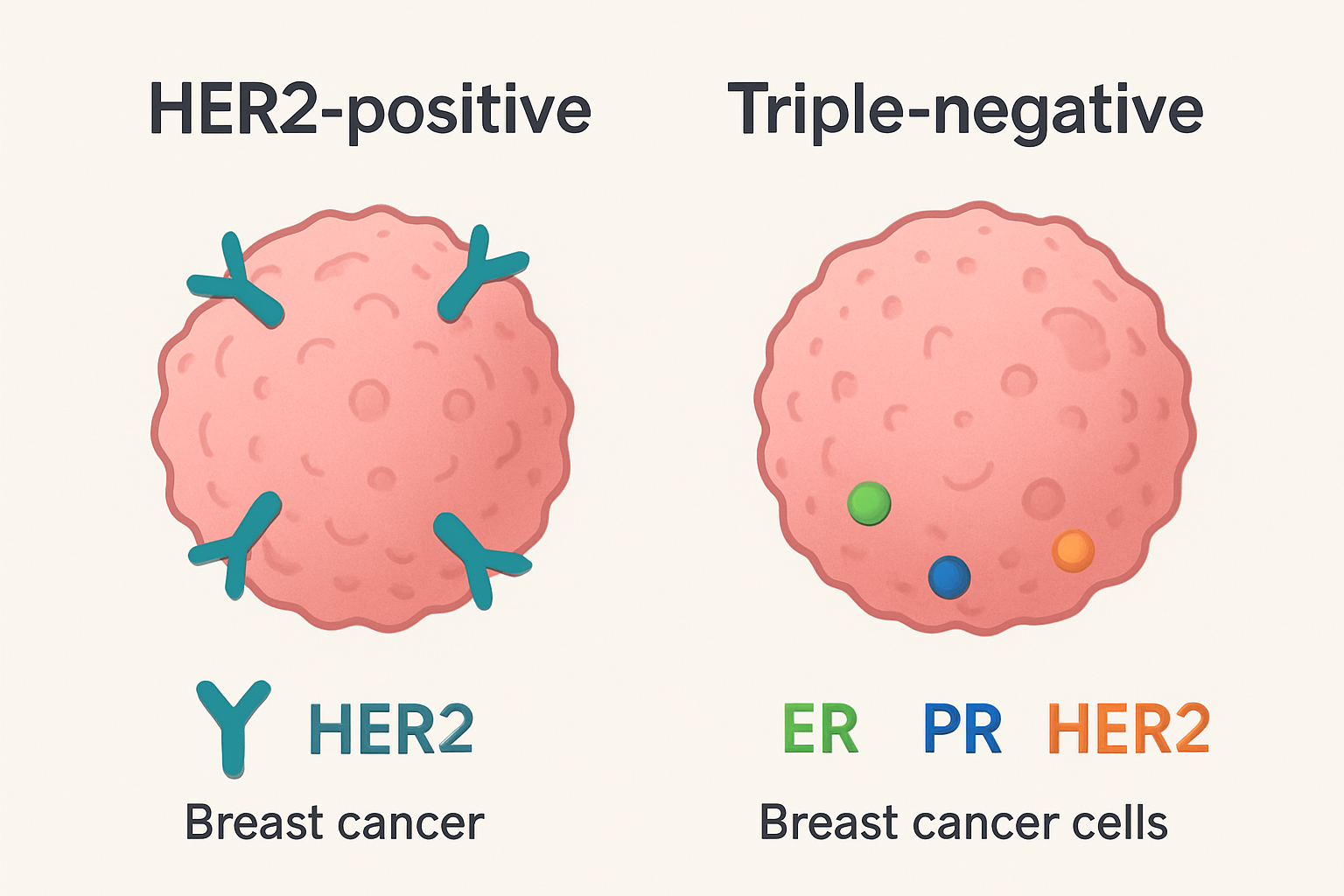
Understanding HER2-Positive vs. Triple-Negative Breast Cancer: A Patient’s Basic Guide
Breast cancer is not a single disease, but a group of subtypes with unique features. Two major subtypes are HER2-positive and triple-negative breast cancer, which differ in biology, diagnosis, and treatment paths. This guide explains these subtypes, what sets them apart, and what patients and caregivers should know.
-
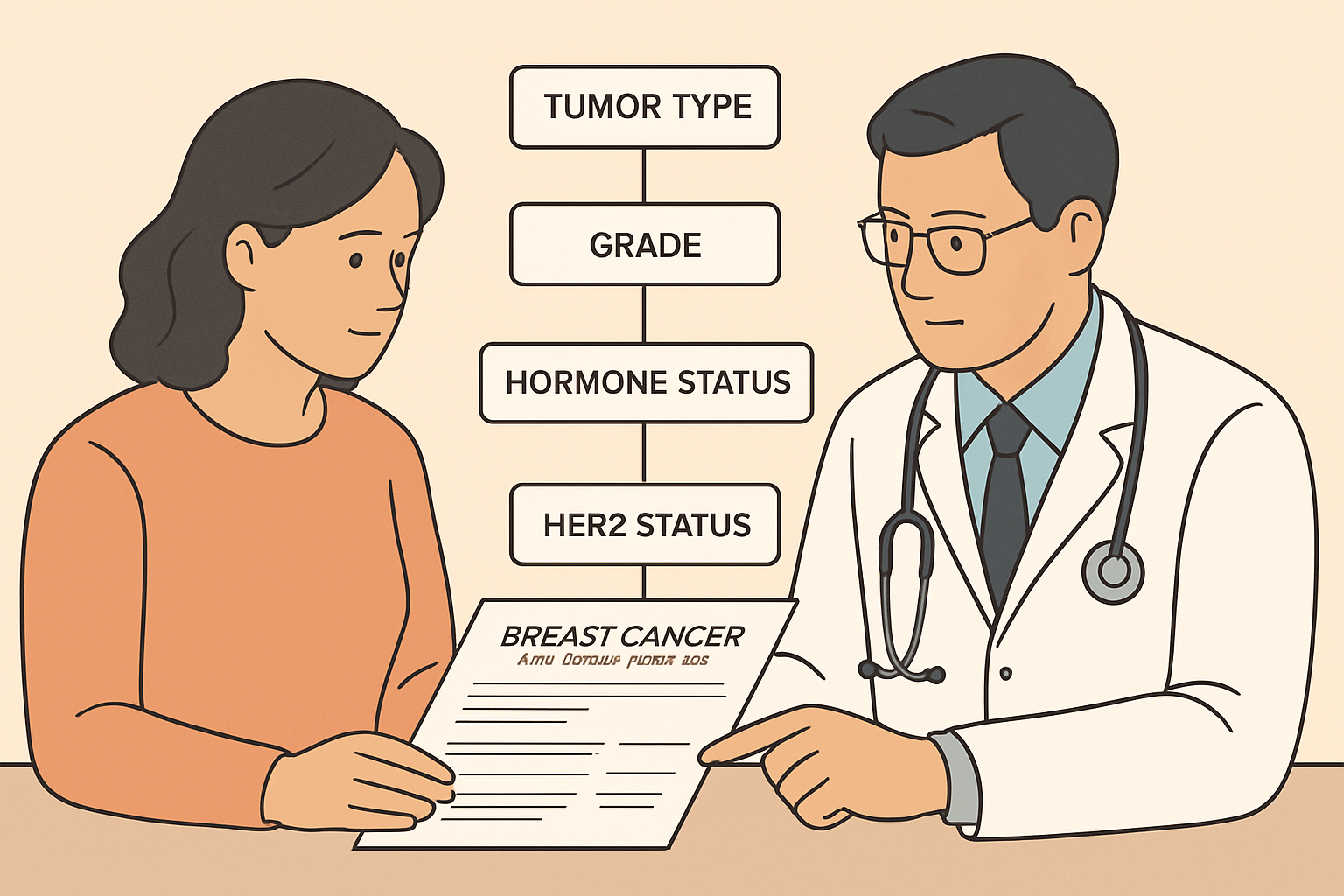
Understanding Your Breast Cancer Pathology Report: A Patient’s Guide
A breast cancer pathology report contains essential information about your diagnosis and helps guide your care team in making treatment decisions. This guide explains the core sections of a pathology report, key terms patients should know, and how to discuss your results with your medical team.
-
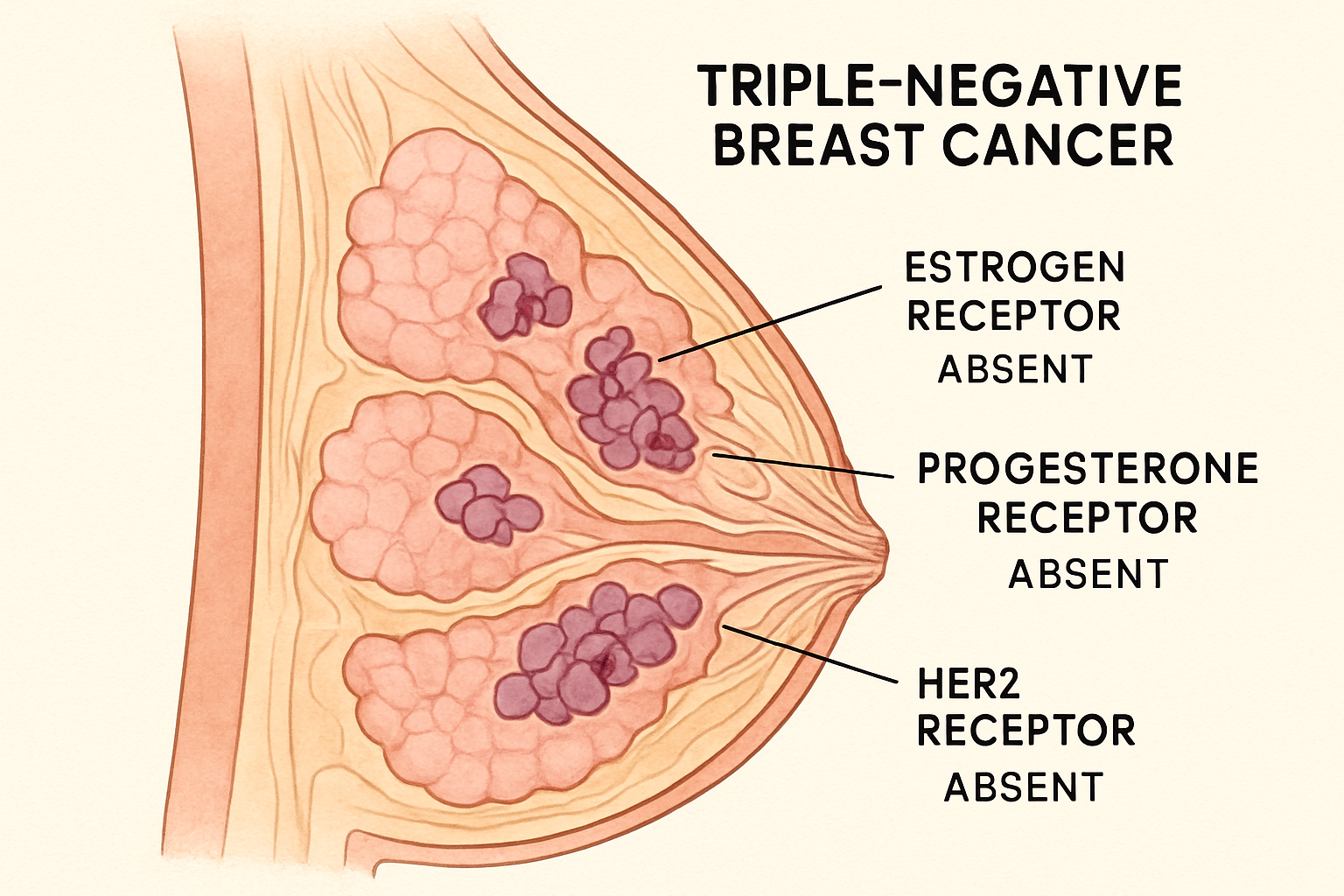
Understanding Triple Negative Breast Cancer: Diagnosis and Treatment Options
Triple Negative Breast Cancer (TNBC) is a unique and often more aggressive subtype of breast cancer that lacks the three most common receptors found in breast cancer cells. This guide explains what TNBC is, how it’s diagnosed, and current approaches to treatment. Special attention is given to what makes TNBC different from other breast cancer…
-
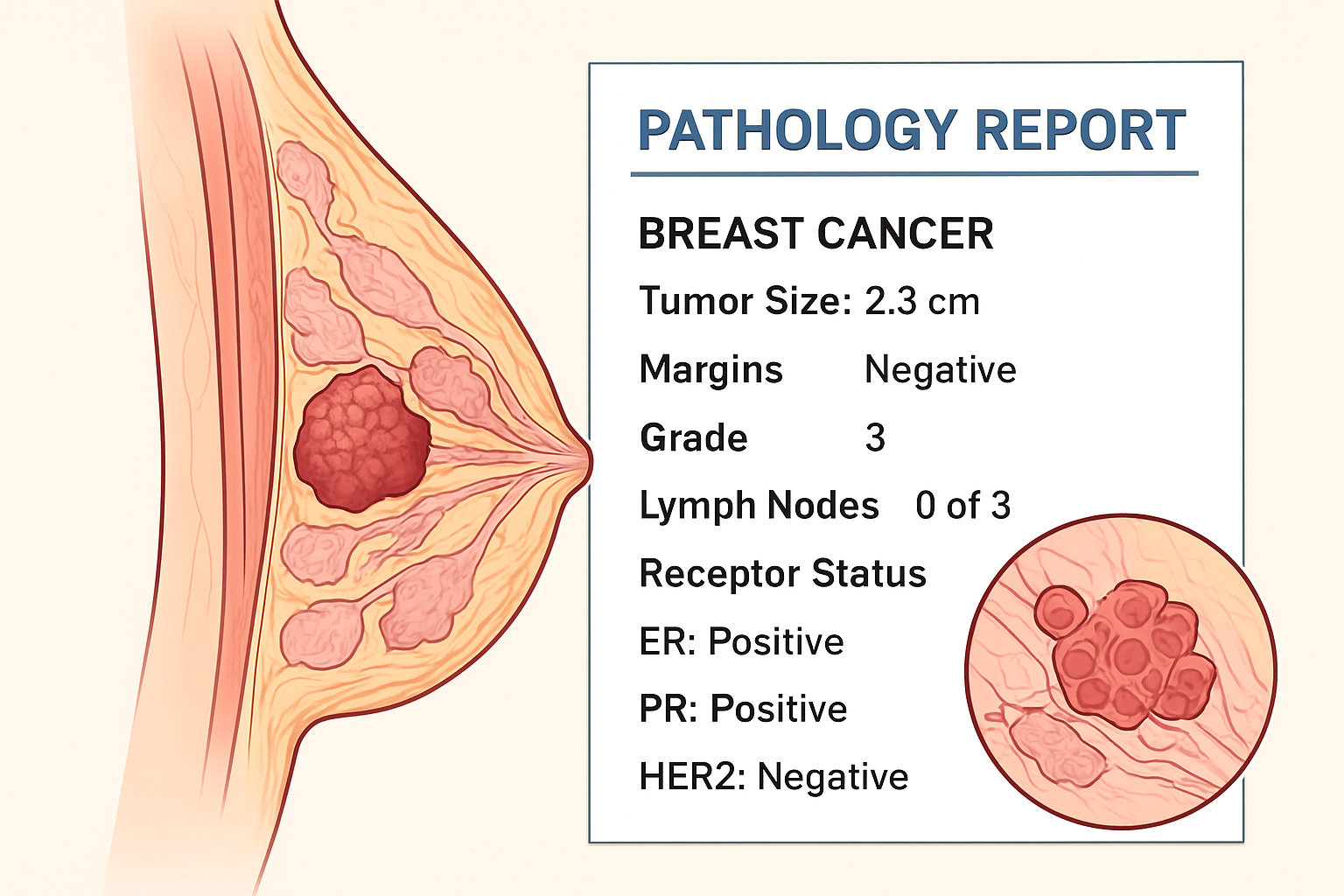
How to Understand Your Breast Cancer Pathology Report: A Patient’s Guide
Your breast cancer pathology report is a key document that guides your treatment plan. This article explains the most important terms, what they mean, and how they affect your medical decisions. Learn to read your report with confidence and have better conversations with your care team.
-
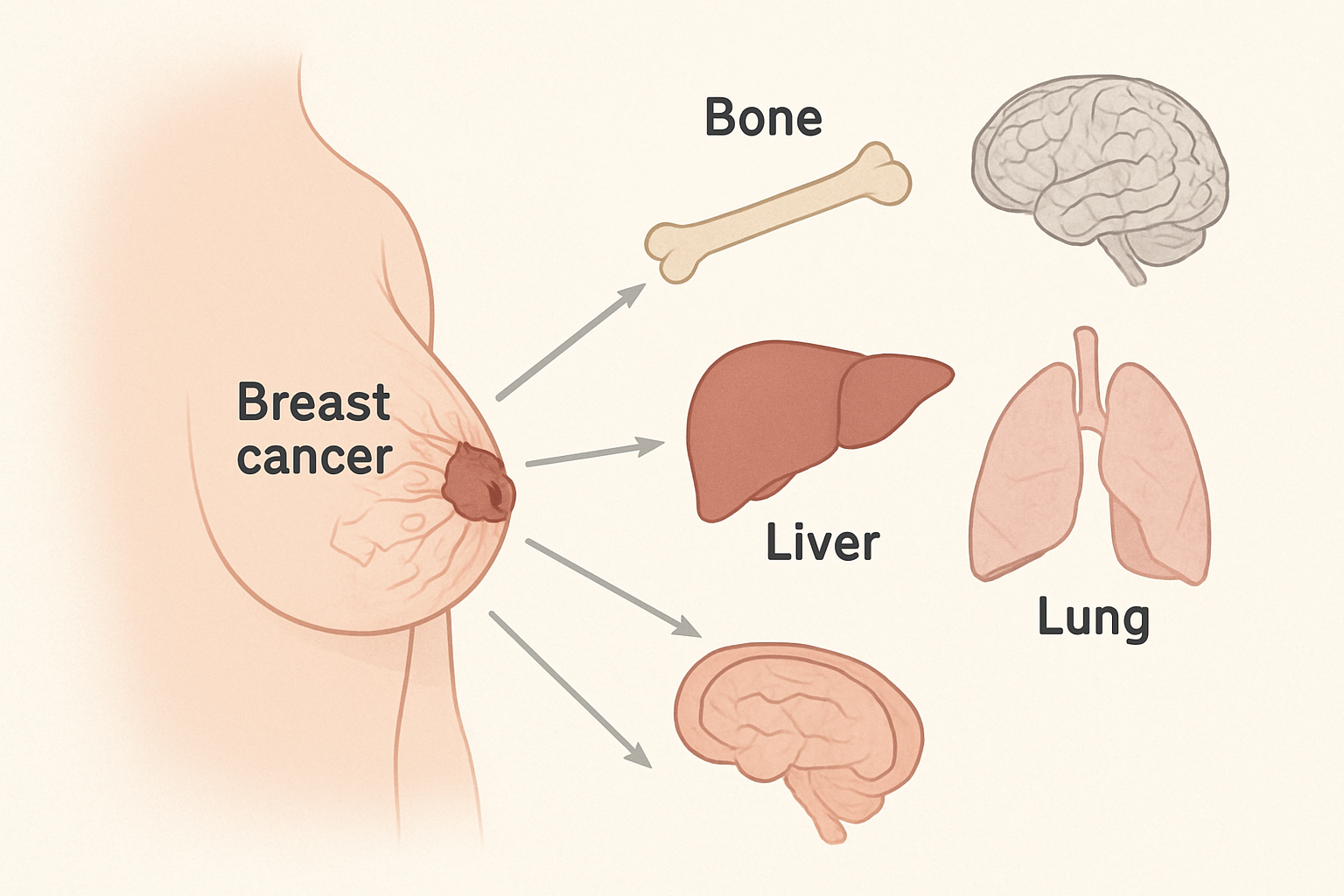
Understanding Stage 4 Breast Cancer: What Patients and Caregivers Should Know
Stage 4 breast cancer, also called metastatic breast cancer, means the cancer has spread beyond the breast to other areas of the body. This guide explains what stage 4 means, how it’s diagnosed, main treatment options, and key considerations for patients and families. Understanding this diagnosis can help you make informed decisions and seek support.
-
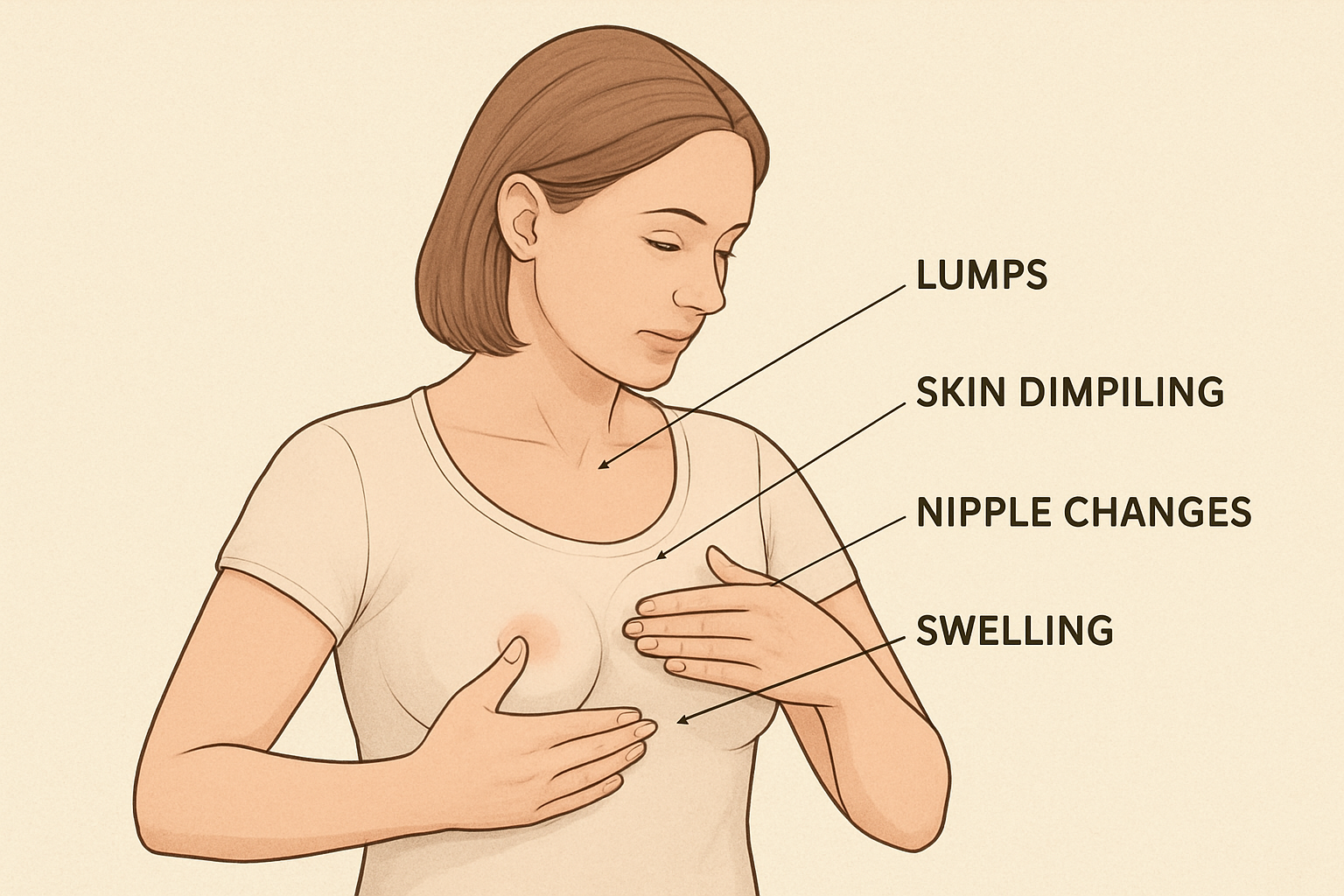
Understanding Early Warning Signs: When to See a Doctor for Breast Changes
Detecting changes in your breasts and knowing when to consult a doctor is crucial for early breast cancer diagnosis and peace of mind. This guide explains common symptoms, what they can mean, and how to approach your healthcare provider. Learning the basics empowers patients and caregivers to take timely and informed action.
-
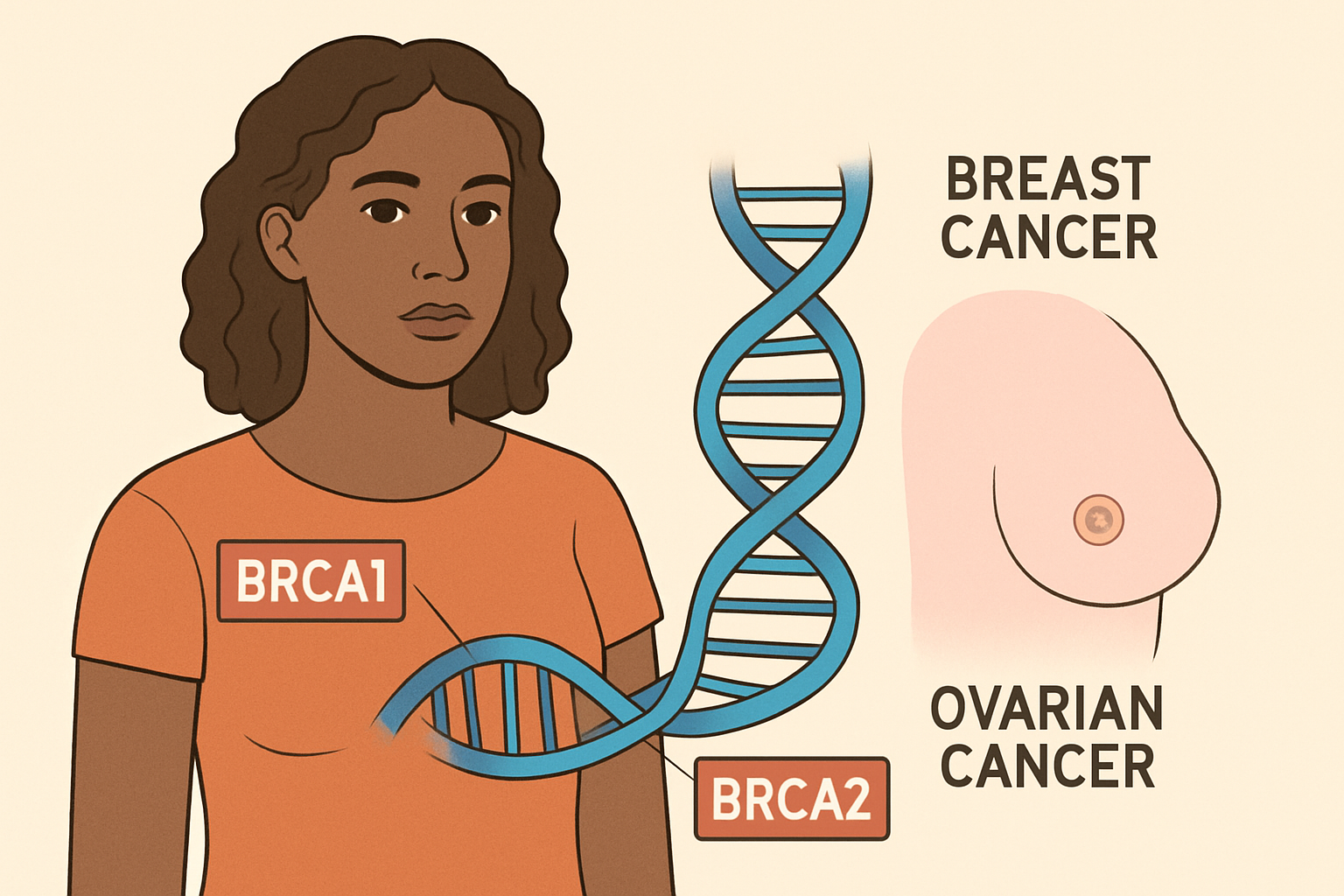
Understanding BRCA Gene Mutations: What Breast Cancer Patients Need to Know
BRCA gene mutations can significantly increase the risk of developing breast cancer. This comprehensive guide explains what BRCA genes are, how mutations are detected, and what the implications are for patients and their families.
-
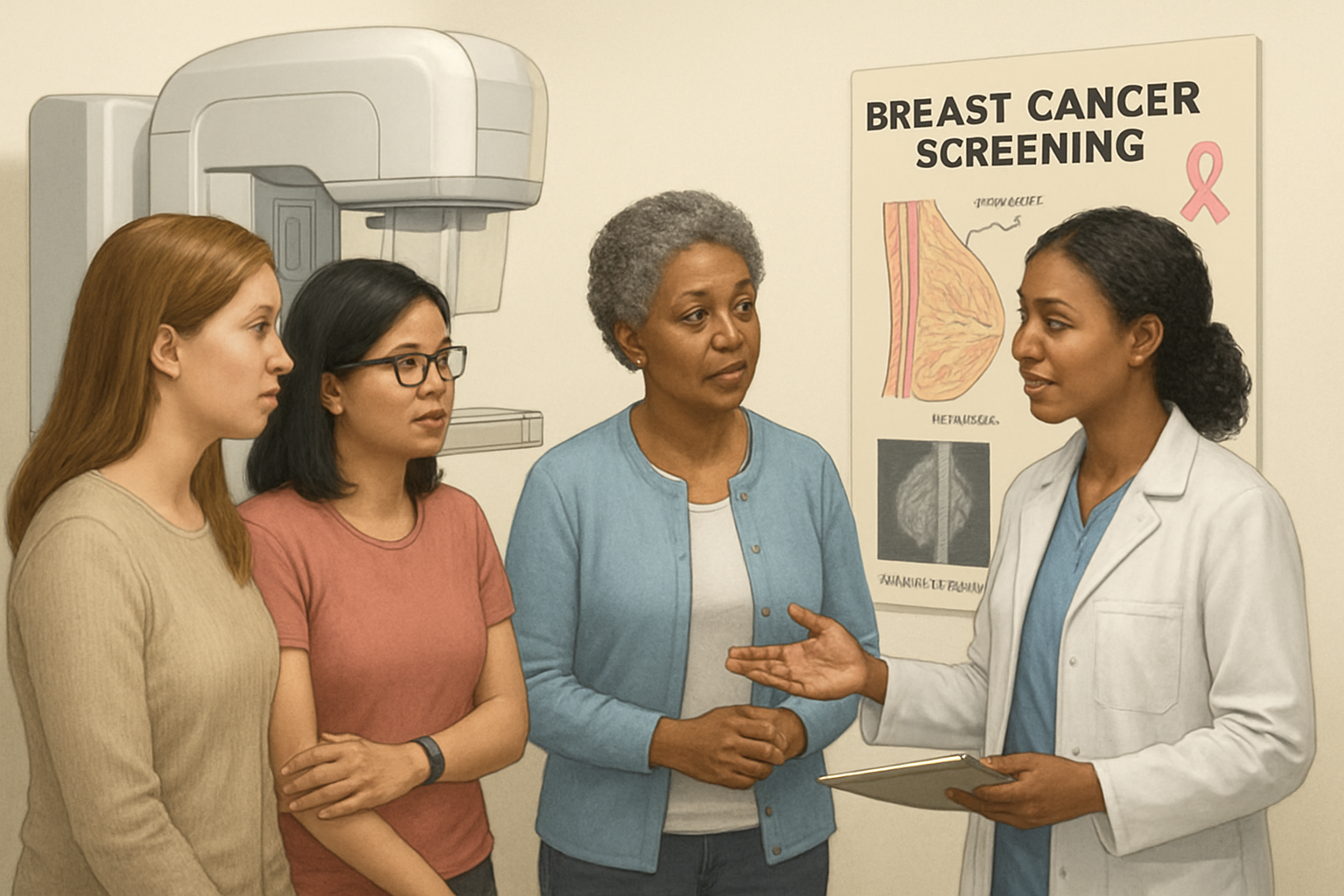
Understanding Early Detection in Breast Cancer: Steps You Can Take
Early detection of breast cancer can significantly improve treatment outcomes. This guide explains how early diagnosis works, what methods are available, and the practical steps you can take to spot breast cancer early. Empower yourself and your family by learning the basics and knowing what to look for.
-
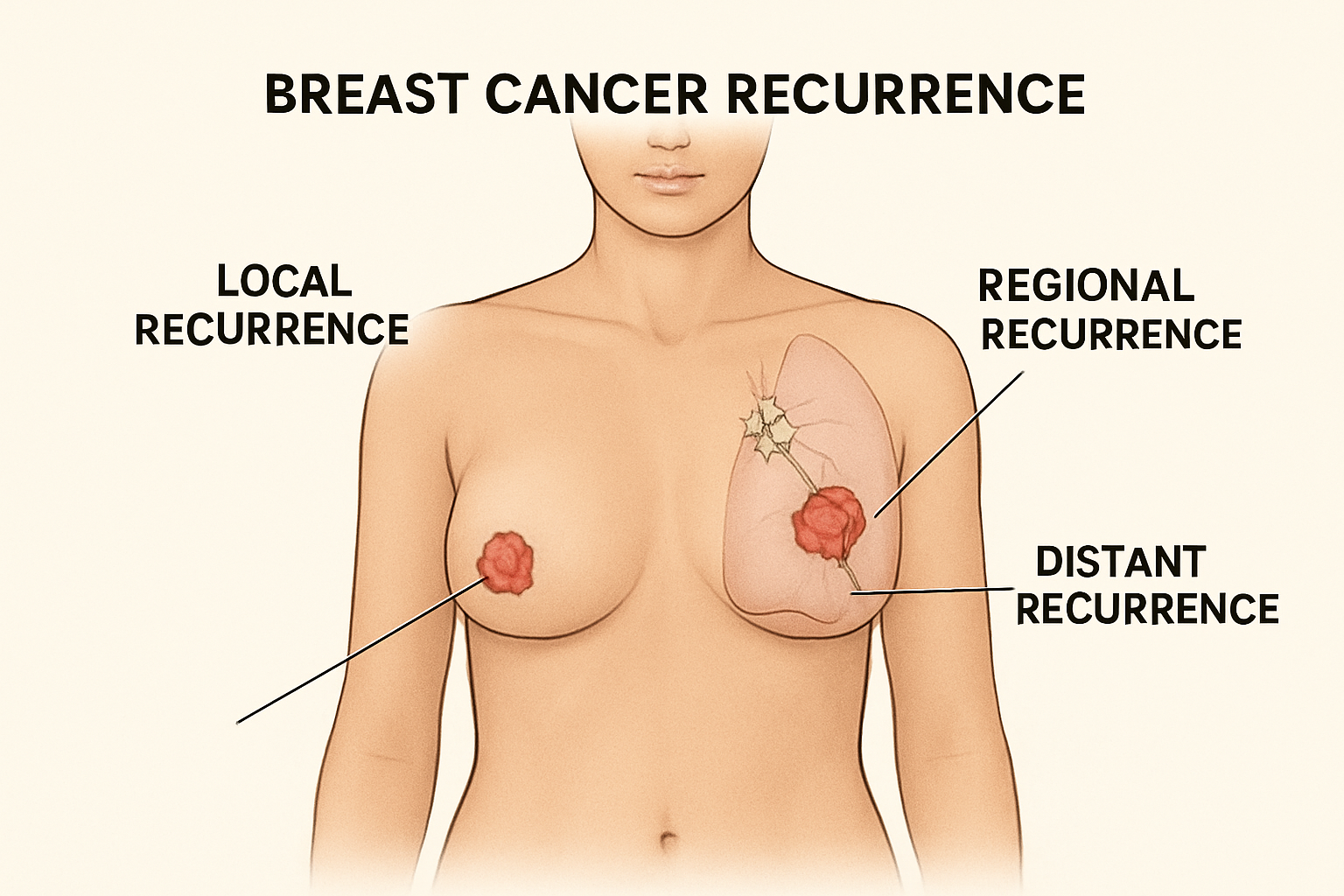
Understanding Breast Cancer Recurrence: What Patients Need to Know
Learn what breast cancer recurrence means, how it happens, and what you can do to lower your risk. This guide explains the basics in clear terms for patients and their loved ones, including early signs, prevention steps, and the latest expert perspectives.
-
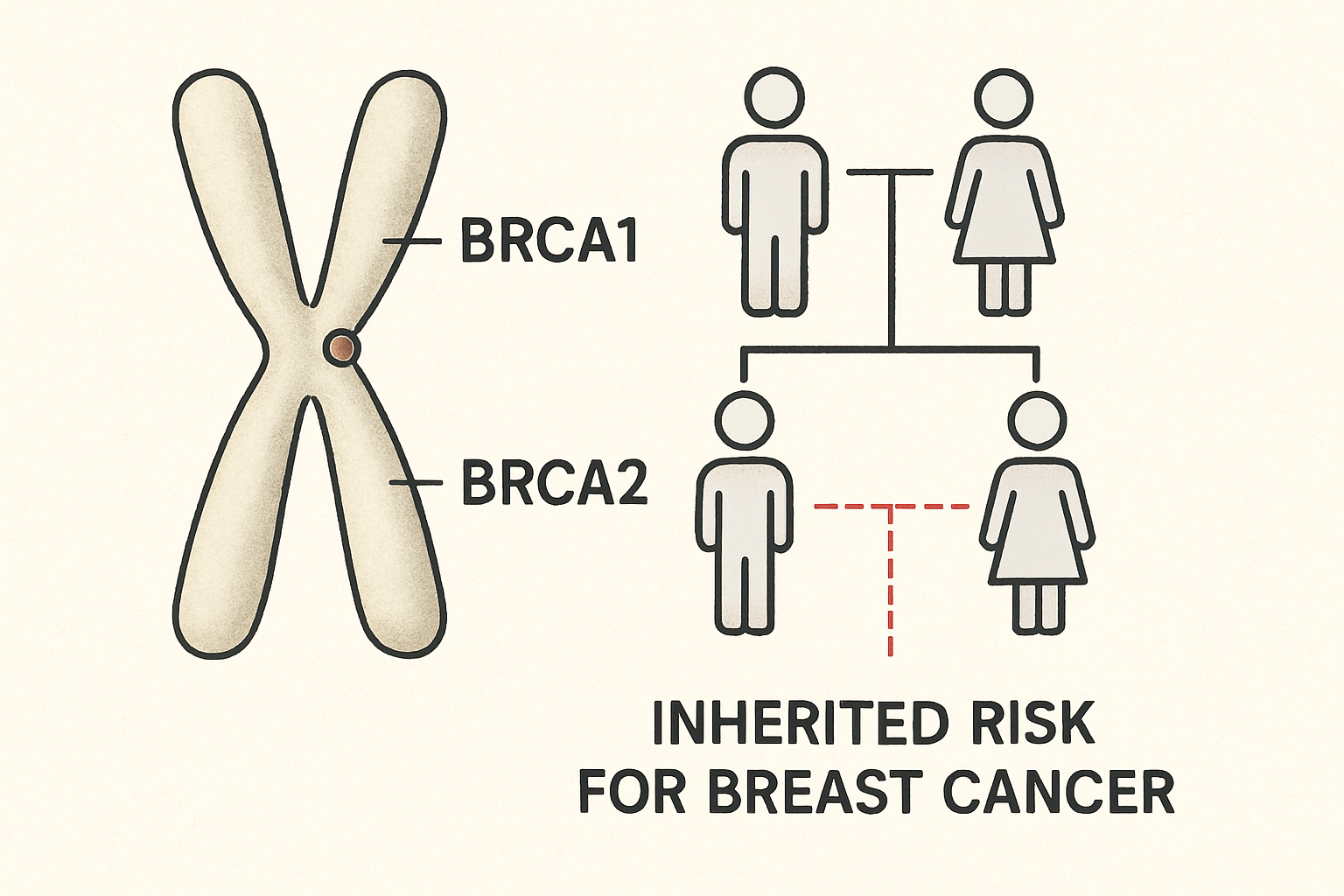
Understanding BRCA Mutations: What Breast Cancer Patients Need to Know
BRCA1 and BRCA2 gene mutations are among the most important inherited risk factors for breast cancer. This guide explains what these mutations mean, how they affect patients and families, and what steps may be considered after a positive test.
-
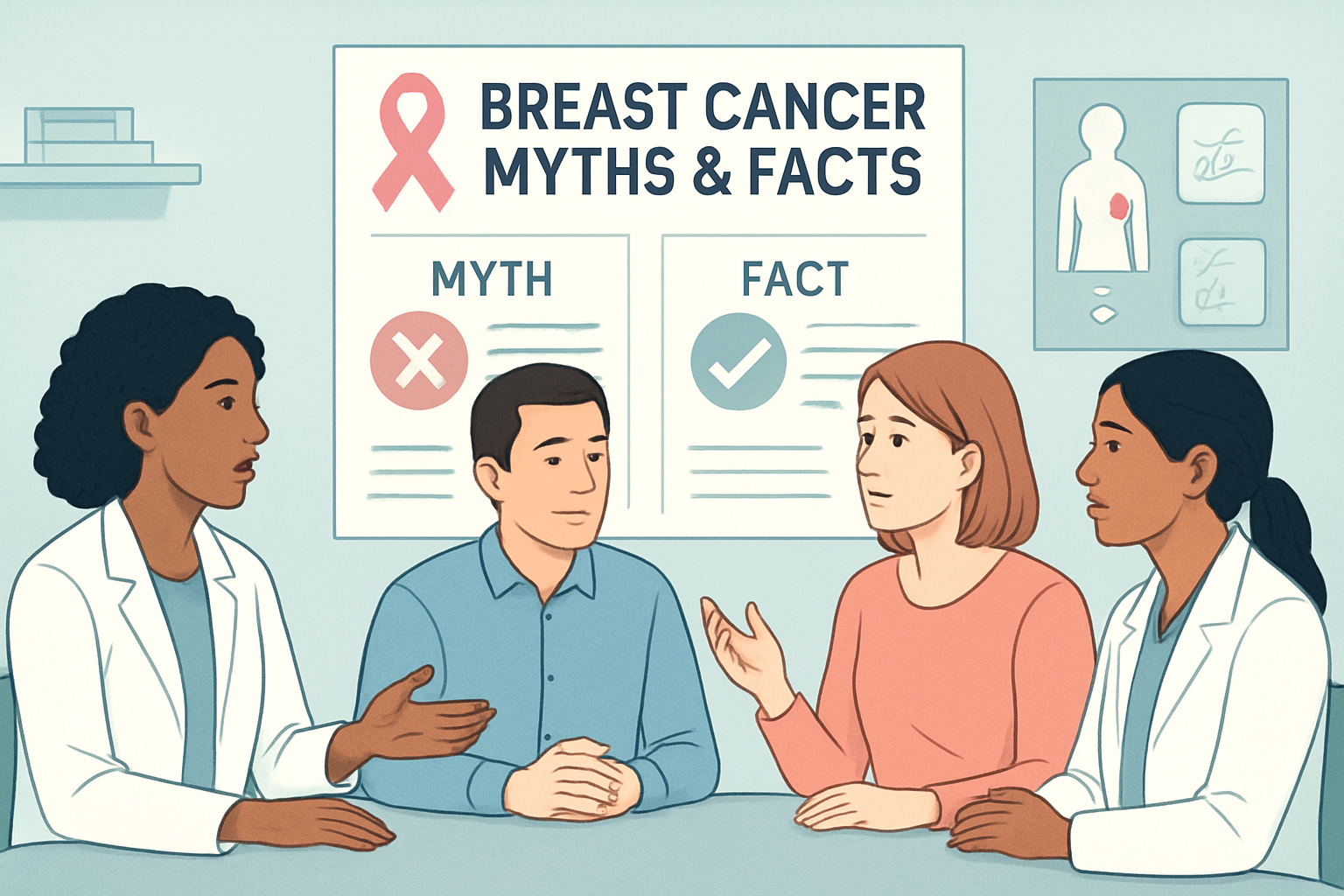
Debunking Myths: What Breast Cancer Patients Should Know
Breast cancer is surrounded by many myths and misconceptions that can cause confusion and anxiety for patients and their families. This guide offers clear, evidence-based explanations to dispel common misunderstandings, empowering you to make informed decisions about breast cancer care.
-

Understanding the Emotional Journey After a Breast Cancer Diagnosis
Being diagnosed with breast cancer brings not only physical challenges but also emotional struggles for both patients and their loved ones. This guide explains the common emotional responses, coping strategies, and sources of support available after a breast cancer diagnosis. It provides practical guidance for navigating the psychological impact of cancer from diagnosis onward.
-
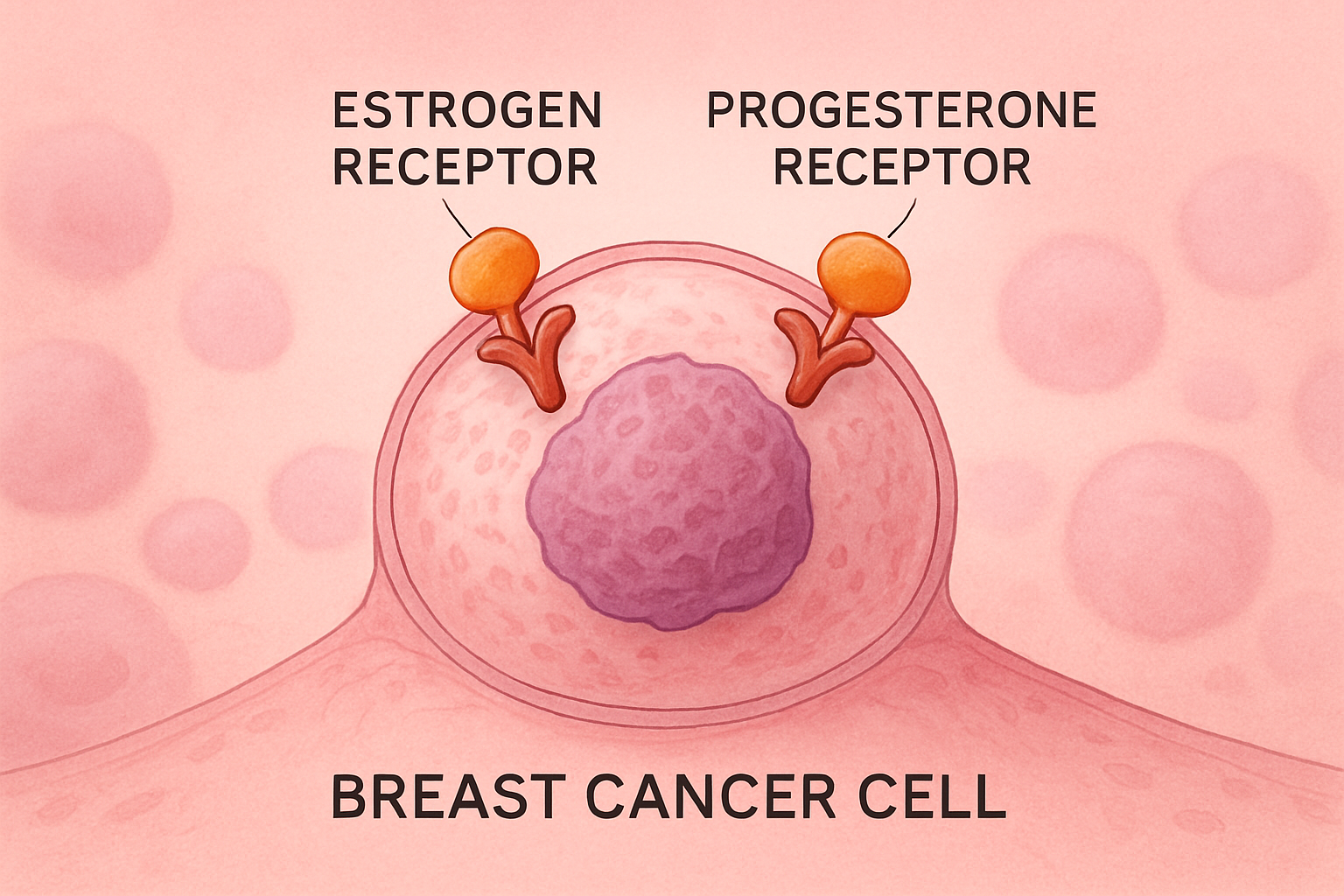
Understanding Hormone Receptor Status in Breast Cancer: A Patient Guide
Hormone receptor status is a key part of breast cancer diagnosis and treatment planning. This guide explains what hormone receptors are, how they affect treatment decisions, and what patients should know about their results.
-
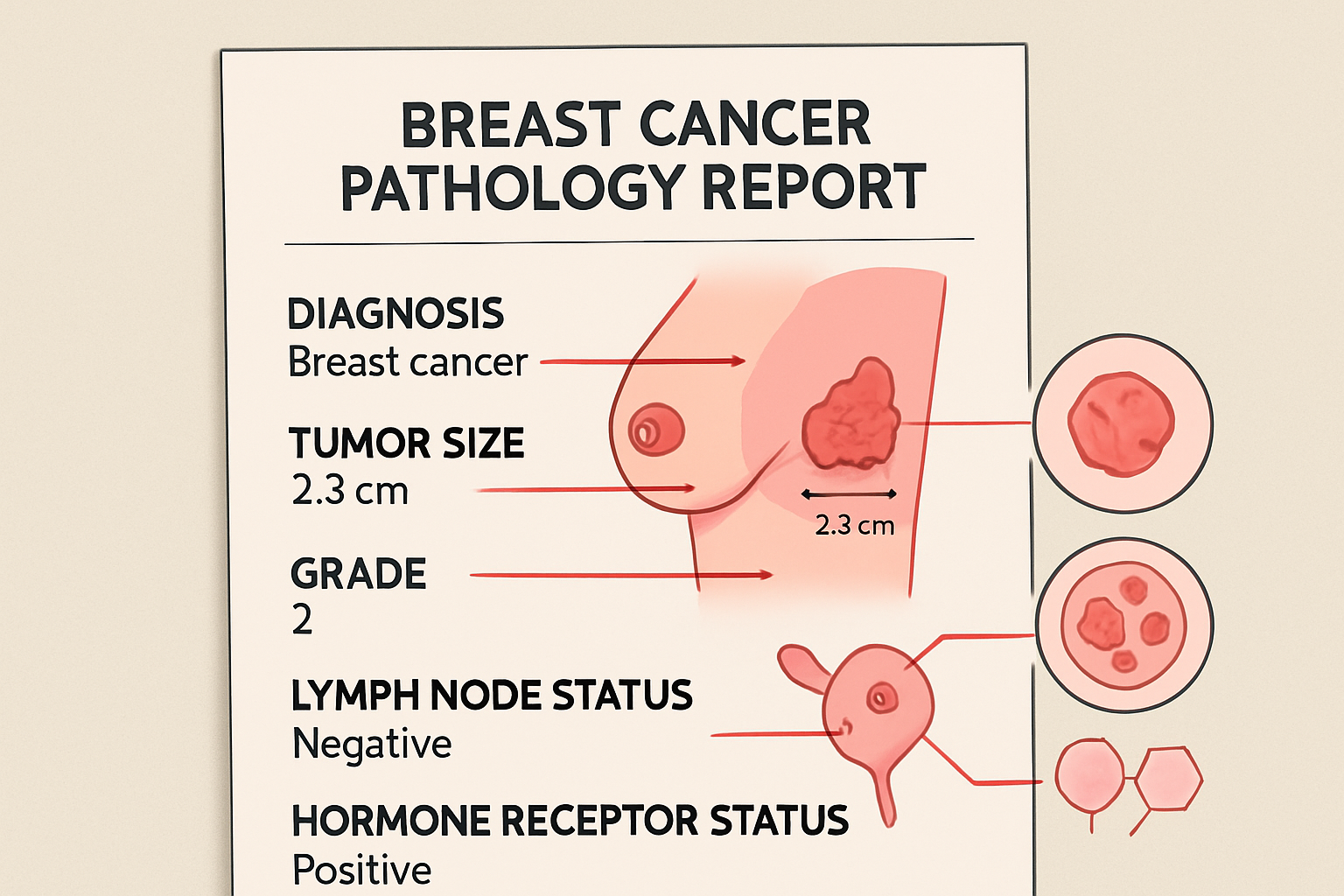
Understanding Your Pathology Report: Decoding Breast Cancer Diagnoses
A breast cancer pathology report contains crucial details about your diagnosis, using medical terms that can easily feel overwhelming. This guide explains how to read and interpret your pathology results, helping you understand exactly what they mean for your care and next steps.
-
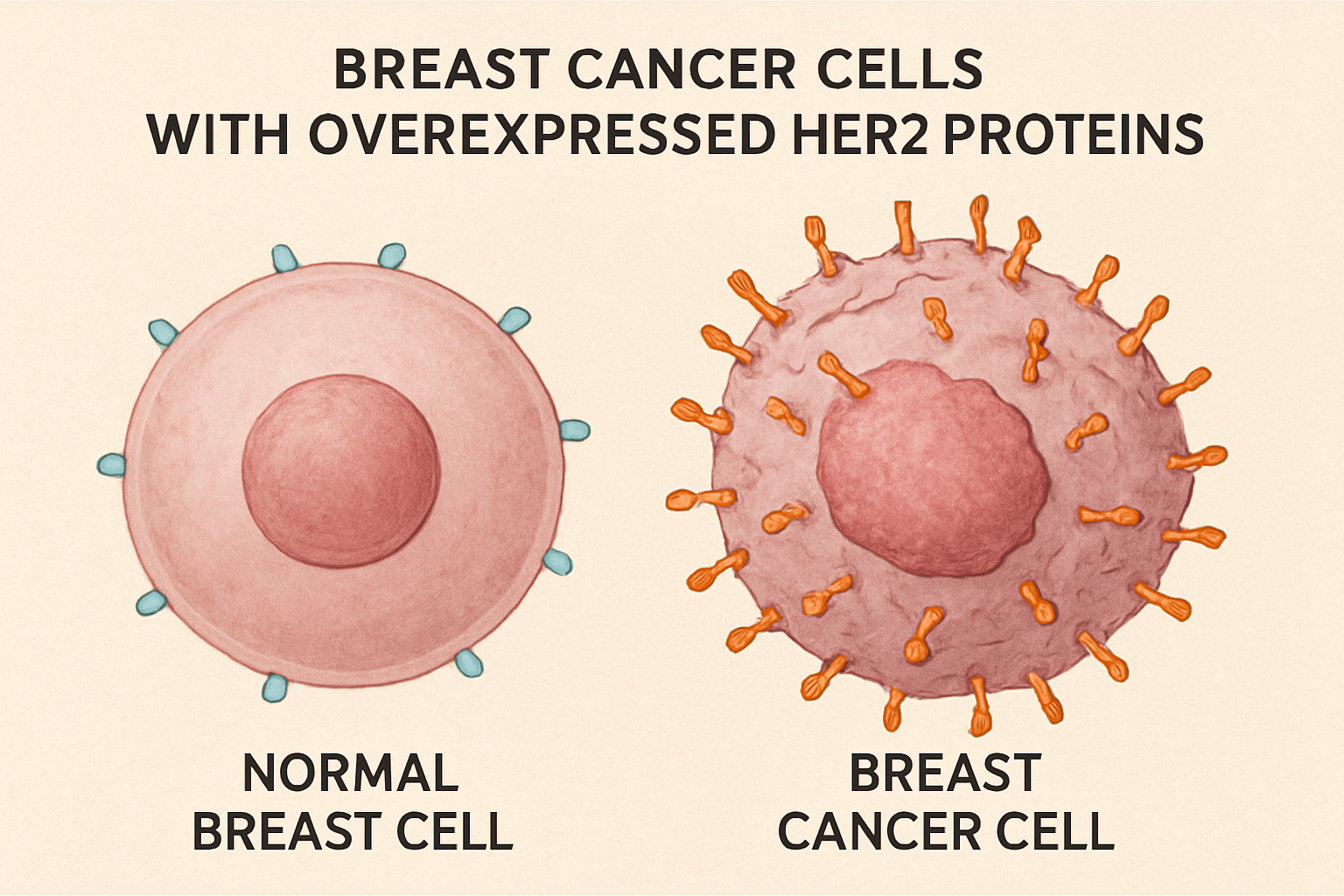
Understanding HER2-Positive Breast Cancer: What Patients Need to Know
HER2-positive breast cancer is a subtype of breast cancer characterized by high levels of the HER2 protein on cancer cells, impacting both how the disease behaves and how it is treated. This guide offers a comprehensive overview of HER2 status, how it is diagnosed, and what it means for treatment planning and outlook. Knowing the…
-
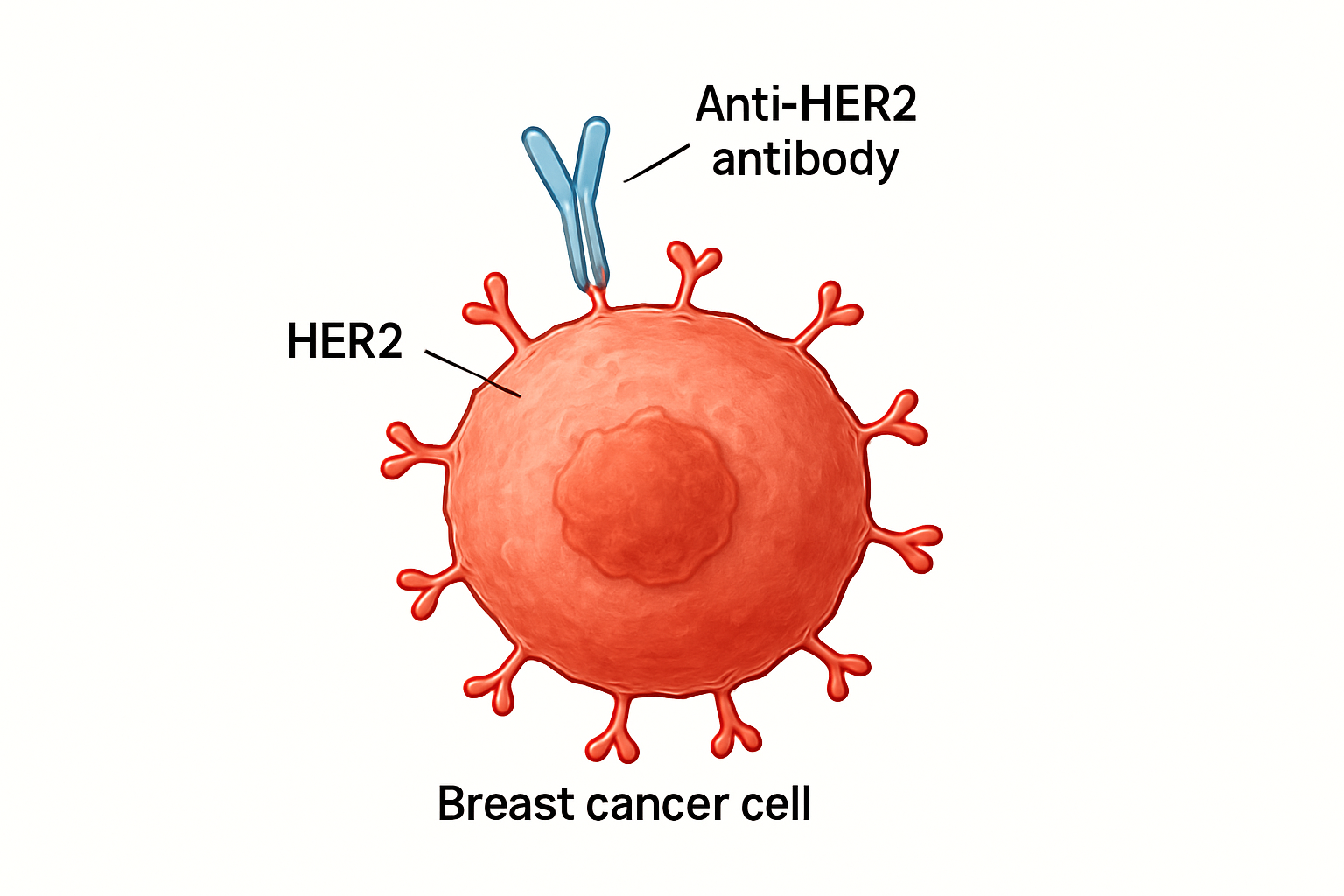
Understanding HER2-Positive Breast Cancer: What Patients Should Know
HER2-positive breast cancer is a distinct subtype that affects treatment options and outcomes for many patients. This guide explains what HER2 status means, how it is determined, and why it matters for diagnosis, treatment, and prognosis. An informed understanding of HER2 helps patients and families prepare for medical conversations and decisions.
-
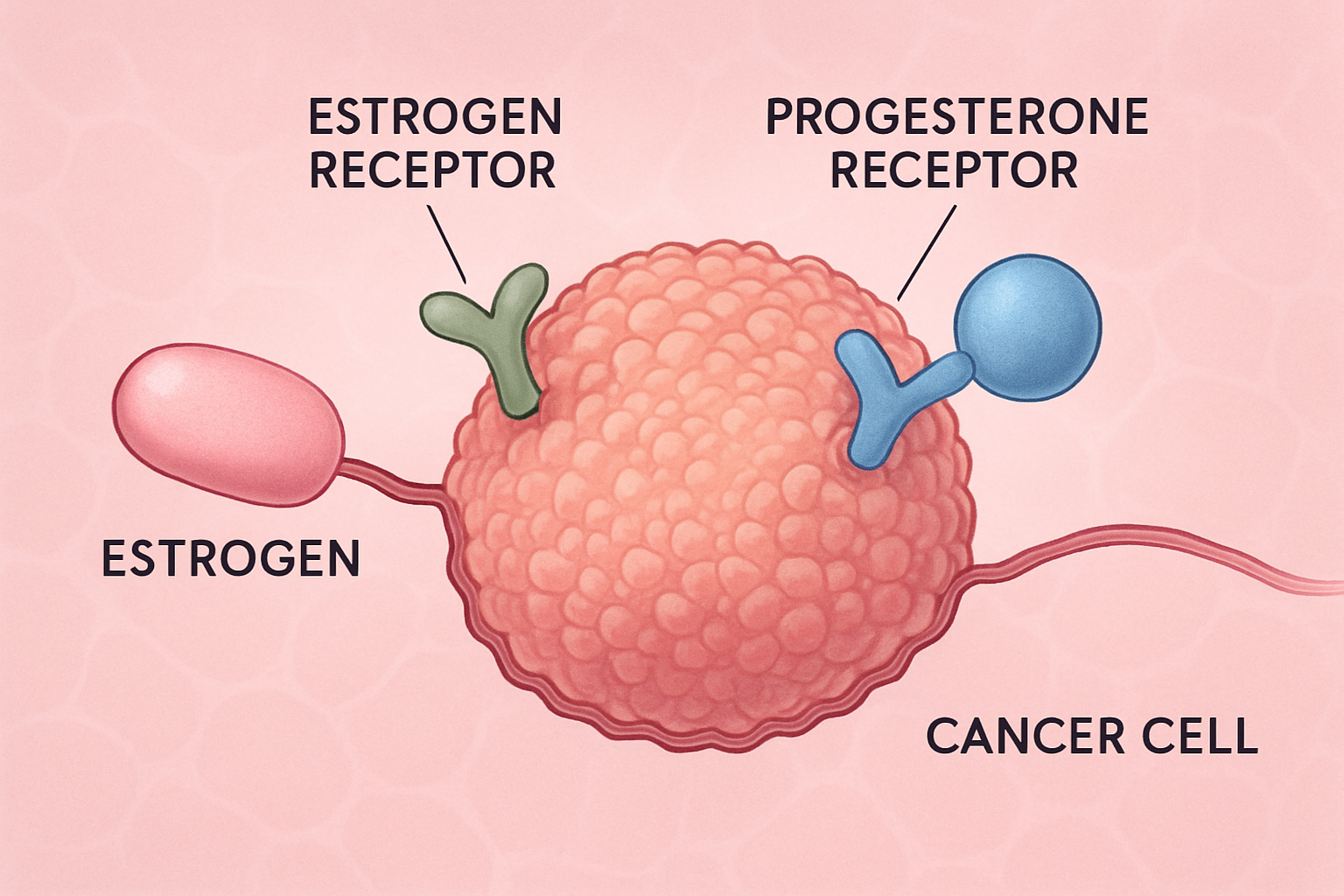
Understanding Hormone Receptors in Breast Cancer: What Patients Need to Know
Hormone receptors play a key role in breast cancer biology, diagnosis, and treatment planning. Knowing whether a cancer is hormone receptor-positive or negative helps doctors select the most appropriate therapies and predict how a cancer might behave. This guide explains the basics about estrogen and progesterone receptors, how they’re tested, and what these results mean…
-
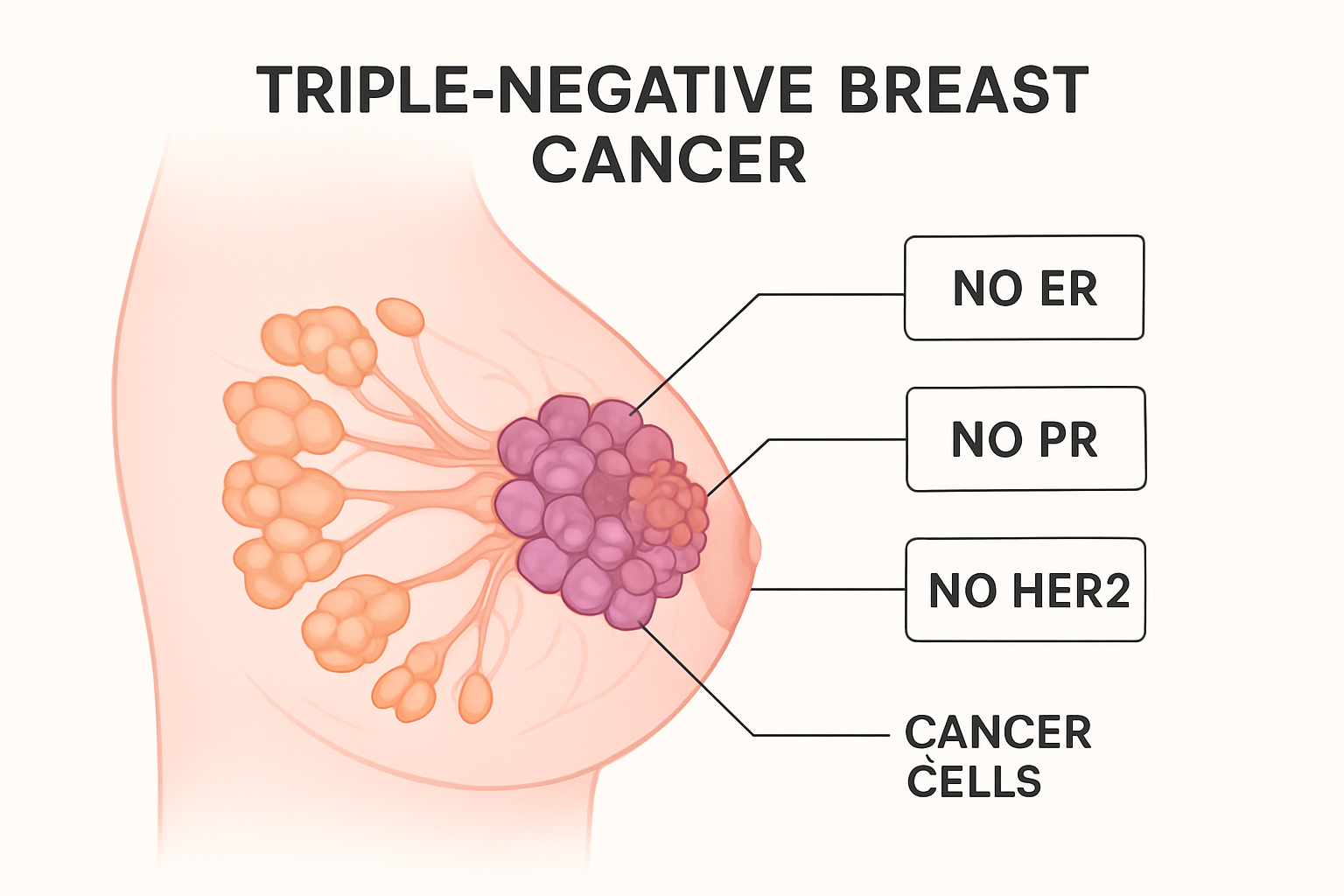
Understanding Triple-Negative Breast Cancer: What Sets It Apart?
Triple-negative breast cancer is a unique and aggressive subtype of breast cancer that differs significantly from other breast cancers in how it is diagnosed, treated, and managed. This guide explains what makes triple-negative breast cancer different and what patients and families should know if facing this diagnosis.
-
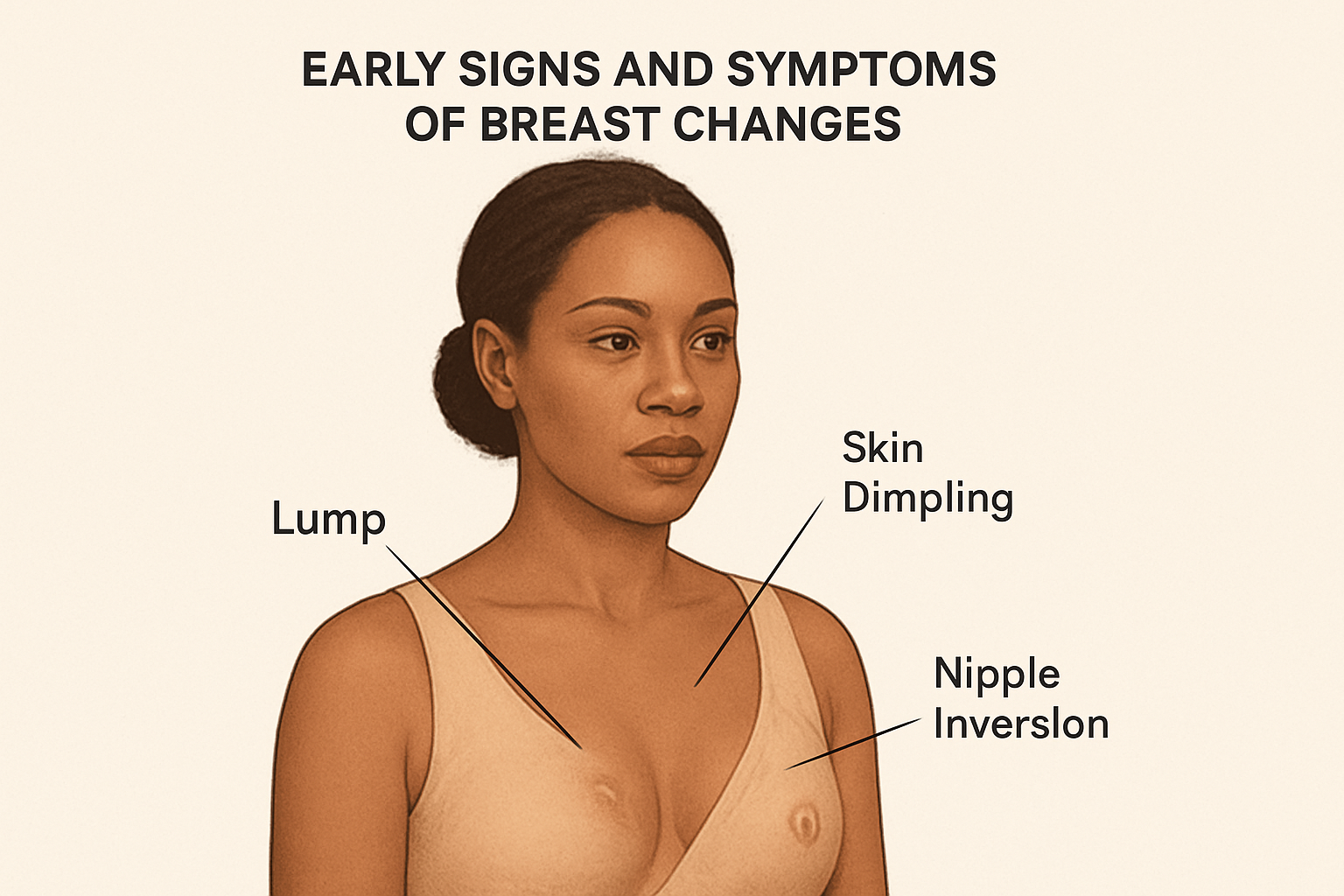
Understanding Early Signs: When to Consult a Doctor About Breast Changes
Recognizing early signs of breast changes can help with timely diagnosis and peace of mind. This guide details which changes to watch for, when to speak to a healthcare provider, and what these symptoms could mean. Empower yourself to take action for your health or support a loved one with confidence.
-
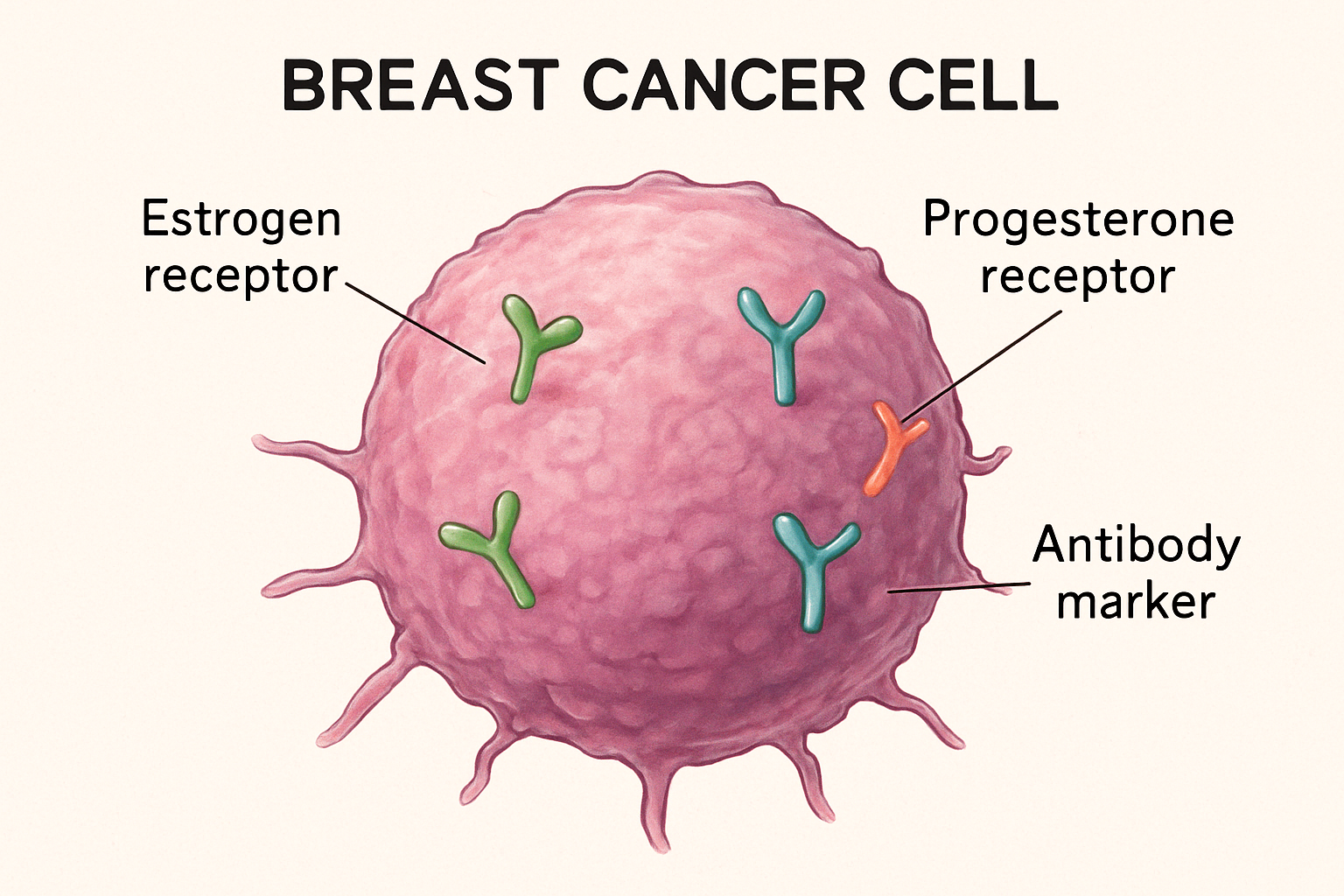
Understanding Hormone Receptor Testing in Breast Cancer Diagnosis
Hormone receptor testing is a critical step in diagnosing and planning treatment for breast cancer. This guide explains what these tests measure, why they matter, and how results can shape treatment decisions. Patients and caregivers will learn the basics and gain guidance for their next steps.
-
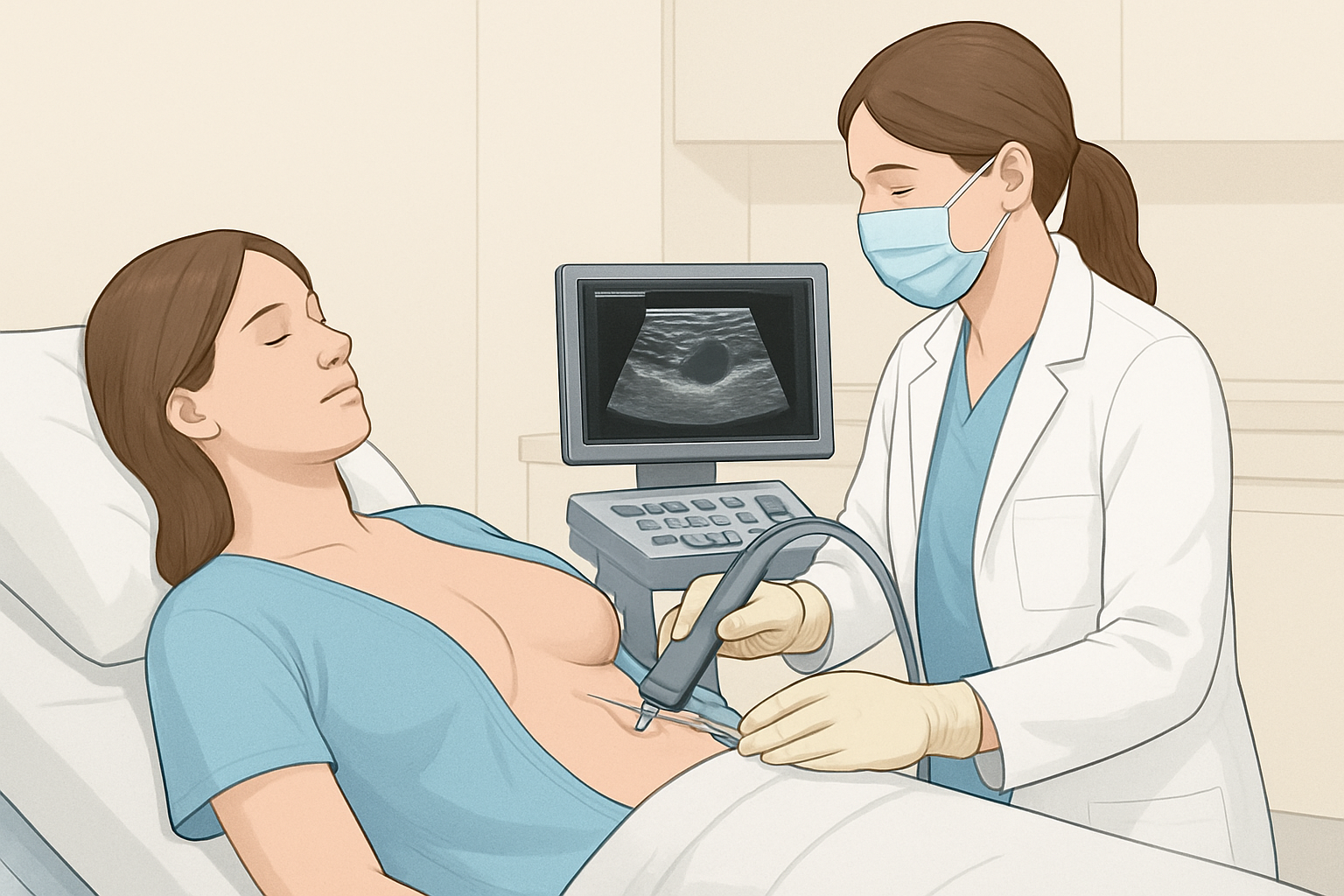
Understanding the Biopsy Process: What to Expect in Breast Cancer Diagnosis
A breast biopsy is a key step in diagnosing breast cancer and helps guide future treatment. This guide explains the types of biopsies, what you can expect during the procedure, and how to prepare emotionally and physically. Understanding this process can help reduce anxiety and empower shared decision-making.
-
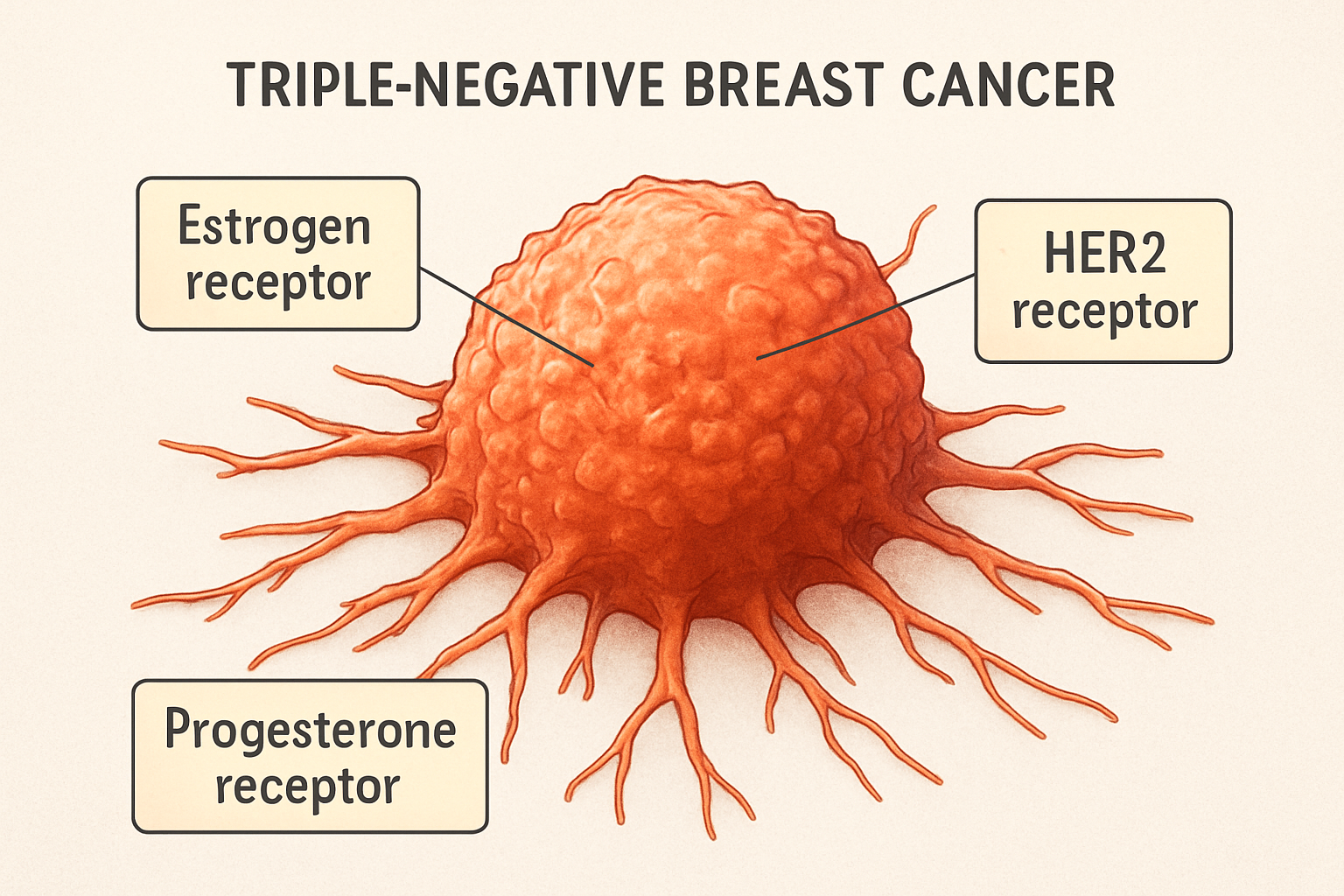
Understanding Triple-Negative Breast Cancer: What Patients Should Know
Triple-negative breast cancer (TNBC) is a unique and aggressive type of breast cancer that lacks the common hormone receptors used in many treatments. This guide explains what makes TNBC different, how it is diagnosed, treatment options, and what patients should expect after a diagnosis. Understanding TNBC can help patients and caregivers navigate early decisions and…
-
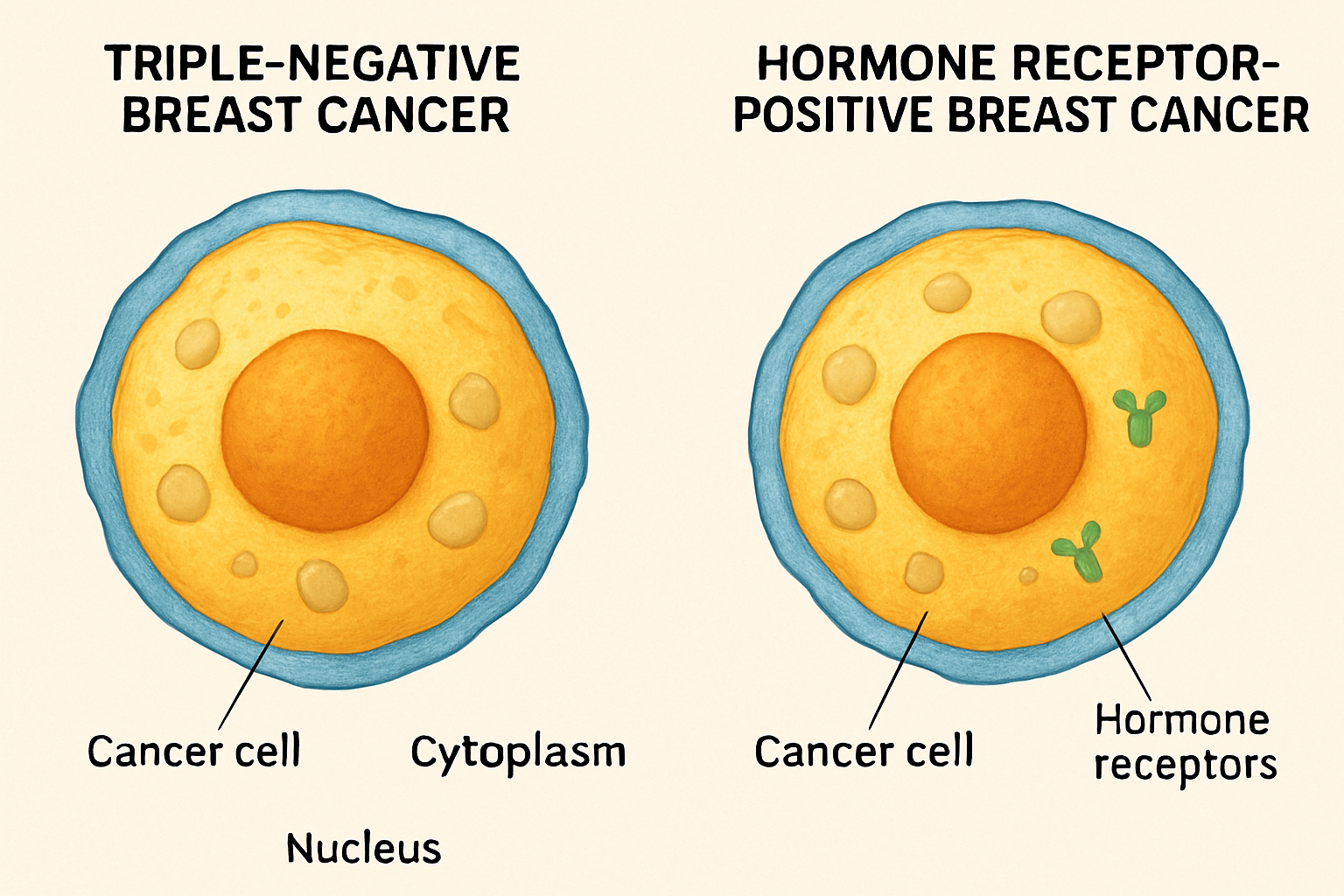
Understanding Triple-Negative Breast Cancer: A Patient’s Guide
Triple-negative breast cancer (TNBC) is a unique and often challenging breast cancer subtype that lacks the three most common receptors targeted by standard therapies. This guide explains what TNBC is, how it differs from other breast cancers, its diagnosis, treatment options, and what patients and caregivers should know.
-
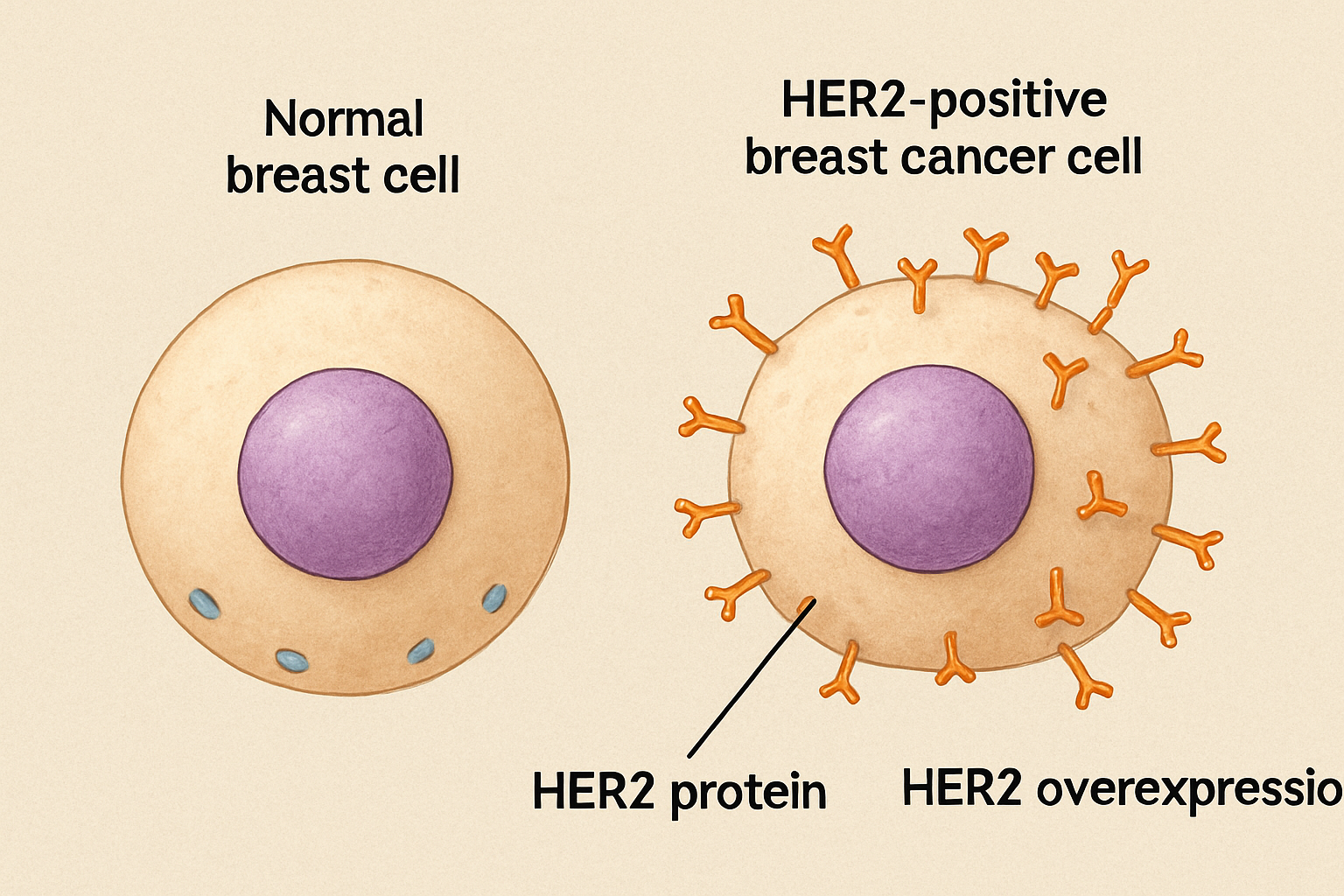
Understanding HER2-Positive Breast Cancer: What Patients Need to Know
HER2-positive breast cancer is a subtype of breast cancer characterized by the overexpression of the HER2 protein, which can affect both prognosis and treatment. This guide explains what HER2-positive breast cancer means, risk factors, how it is diagnosed, and critical first steps for newly diagnosed patients. Understanding these basics empowers patients and families to navigate…
-

Navigating the Emotional Impact of a Breast Cancer Diagnosis: A Patient Support Guide
Being diagnosed with breast cancer can trigger a wide range of emotions, from shock to fear, sadness, and even anger. This basic guide explains what patients and caregivers can expect in the early months, explores common emotional responses, and shares coping strategies for finding support and resilience. Learn how to access professional help, connect with…
-
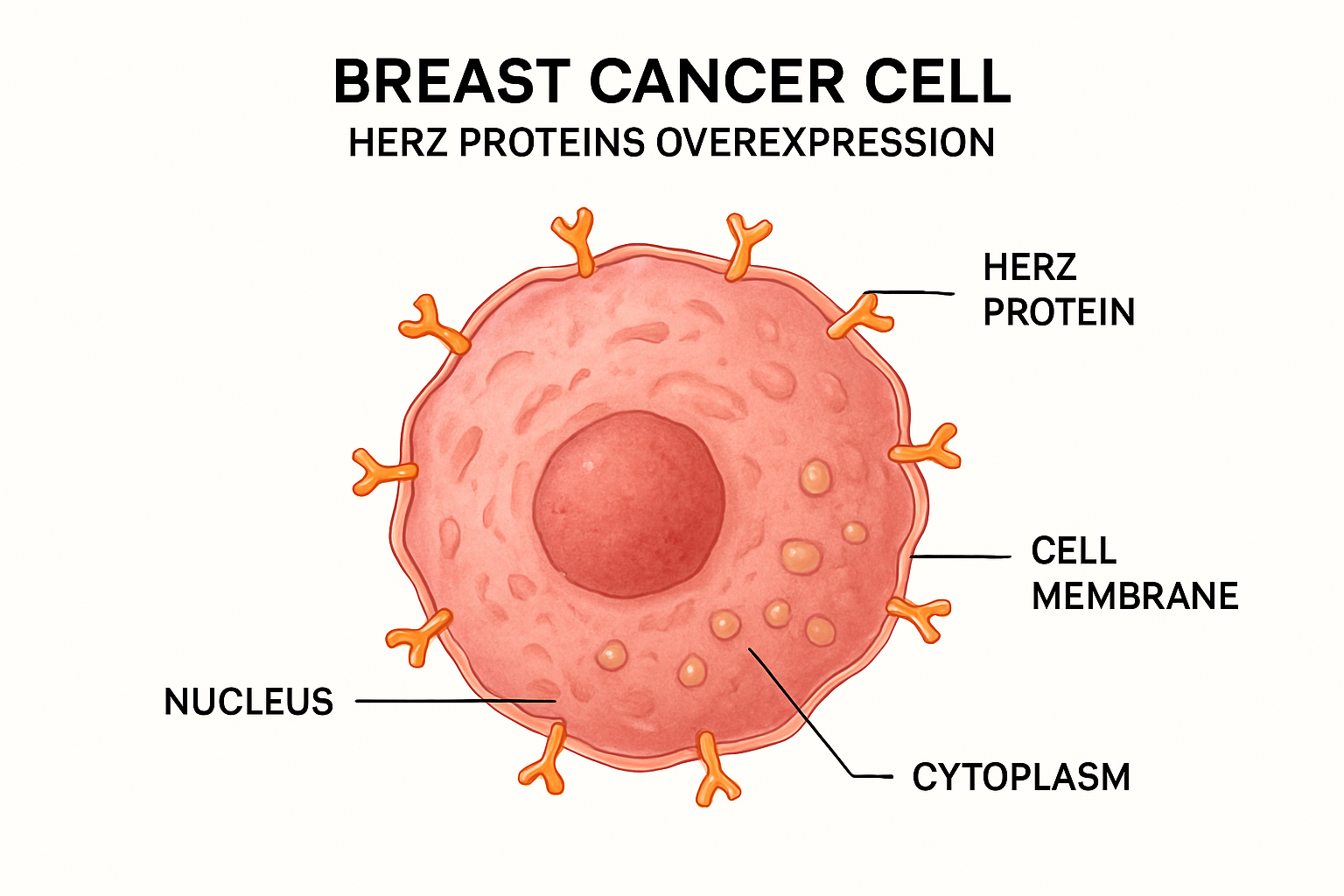
Understanding HER2-Positive Breast Cancer: What Patients Need to Know
HER2-positive breast cancer is a distinct subtype that involves overexpression of the HER2 protein, which affects both the course of the disease and the approach to treatment. This article explains what HER2-positive means, how it is diagnosed, and the main implications for treatment and prognosis. Patients and their families can use this guide as a…
-
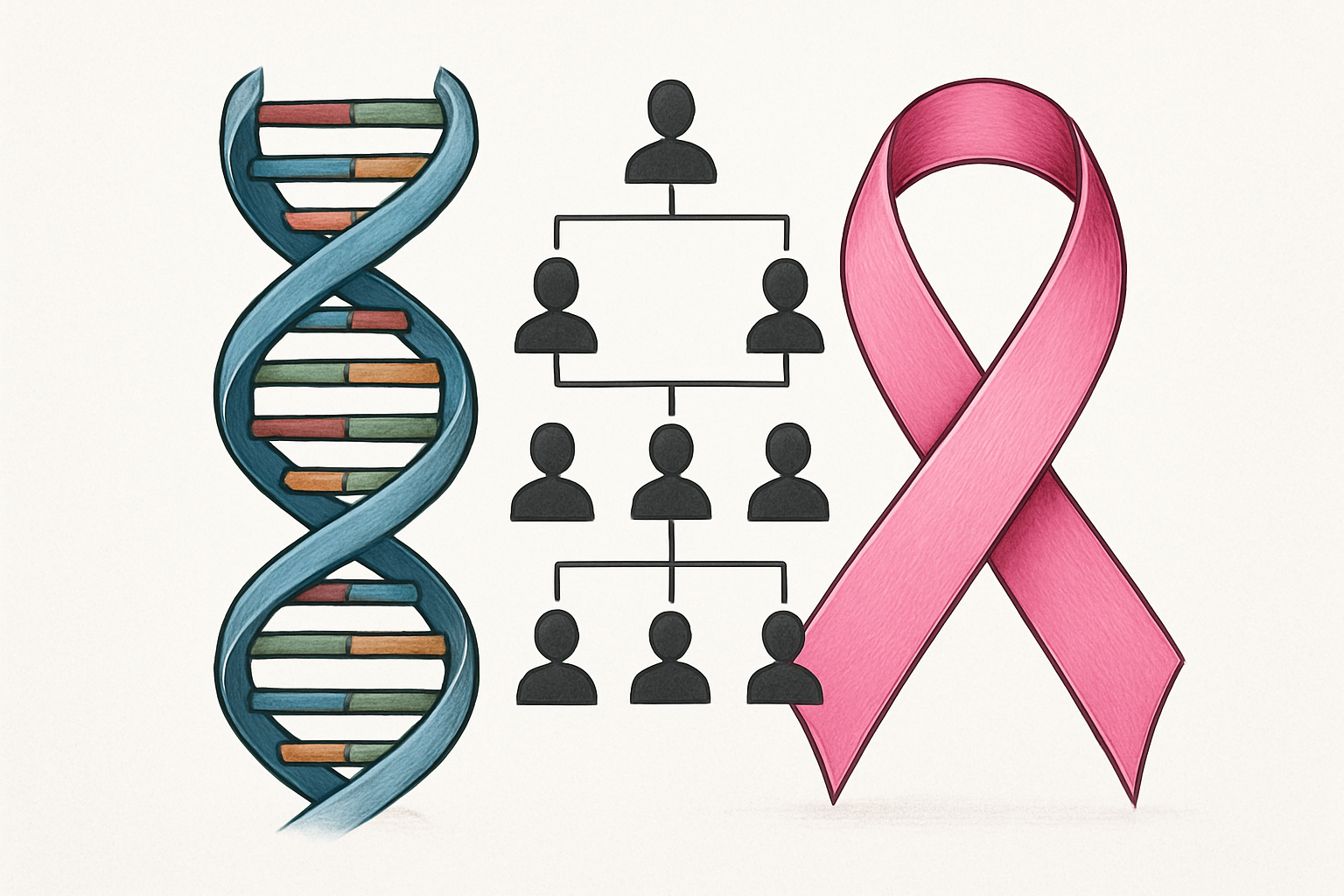
Understanding Genetic Risk: What Makes Breast Cancer More Likely?
Genetics plays a significant role in a person’s risk of developing breast cancer. Knowing your family history and genetic background can help you understand your own risk and take steps for prevention and early detection. This guide explains how genes are linked to breast cancer and what you can do if you have concerns.
-
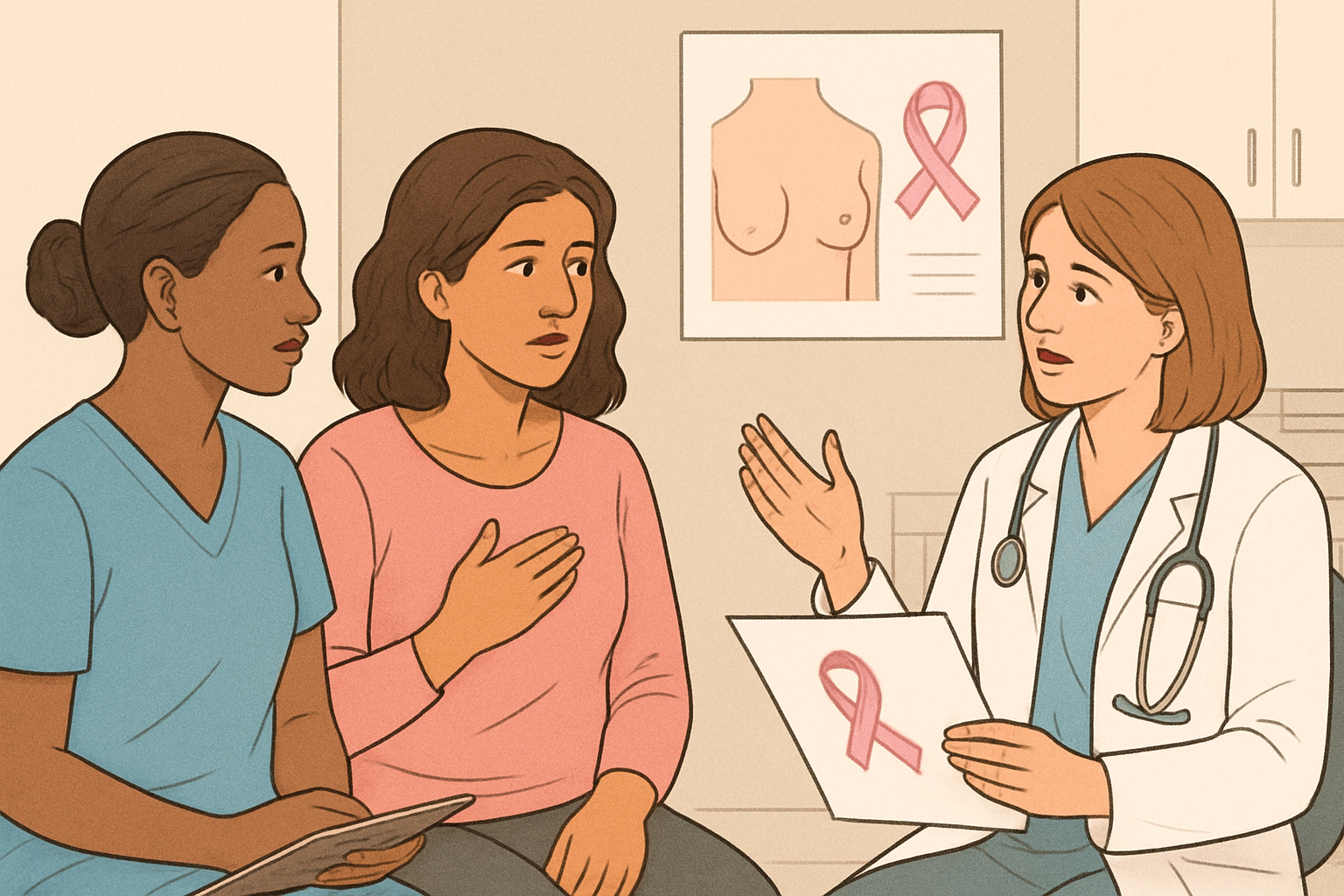
How to Navigate a New Breast Cancer Diagnosis: First Steps and Support Resources
A new breast cancer diagnosis can feel overwhelming and confusing. This guide offers practical steps to take in the first days and weeks, and highlights immediate sources of information and support. Learn how to build your care team, access reliable resources, and begin to regain a sense of control.
-
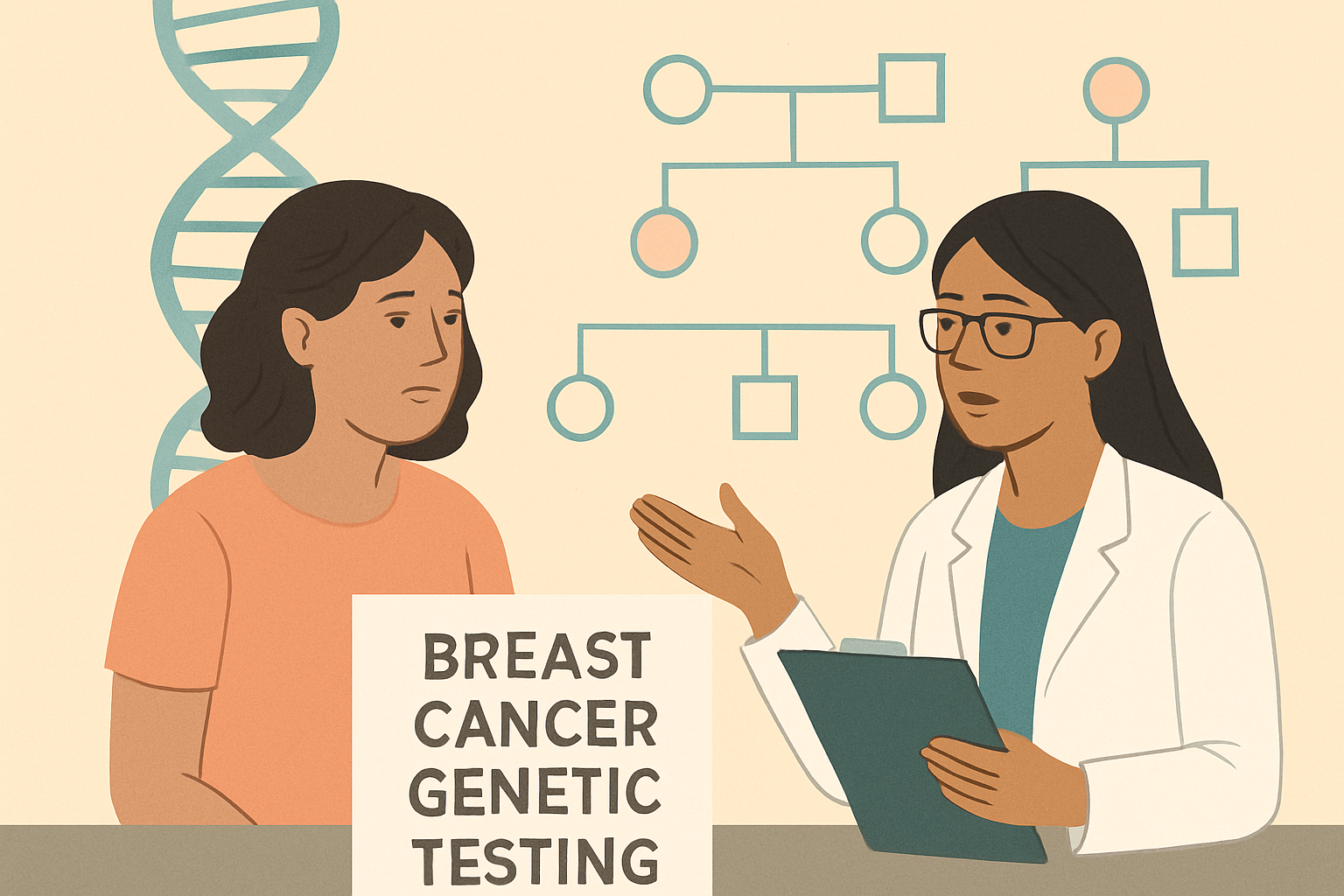
Understanding Genetic Testing for Breast Cancer: What Patients Need to Know
Genetic testing plays a key role in understanding personal and family risk for breast cancer. This guide explains what genetic testing is, why it may be recommended, and how results can influence care decisions for patients and families.
-
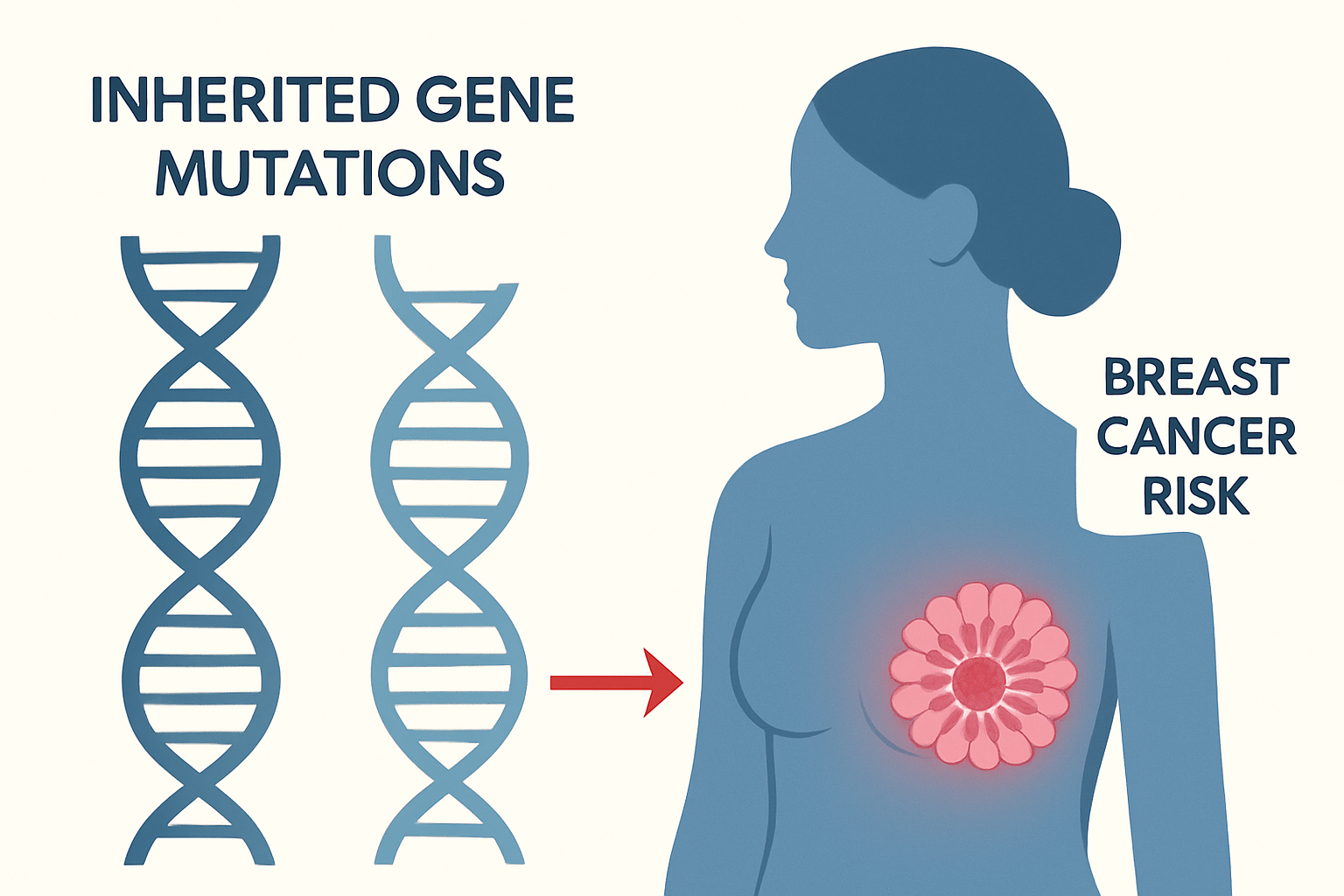
Understanding the Link Between Genetics and Breast Cancer: What Patients and Families Should Know
Genetics play a significant role in a person’s risk of developing breast cancer. This guide explains the basics of inherited gene changes, common genetic syndromes, and what patients and families should consider for their health and future.
-
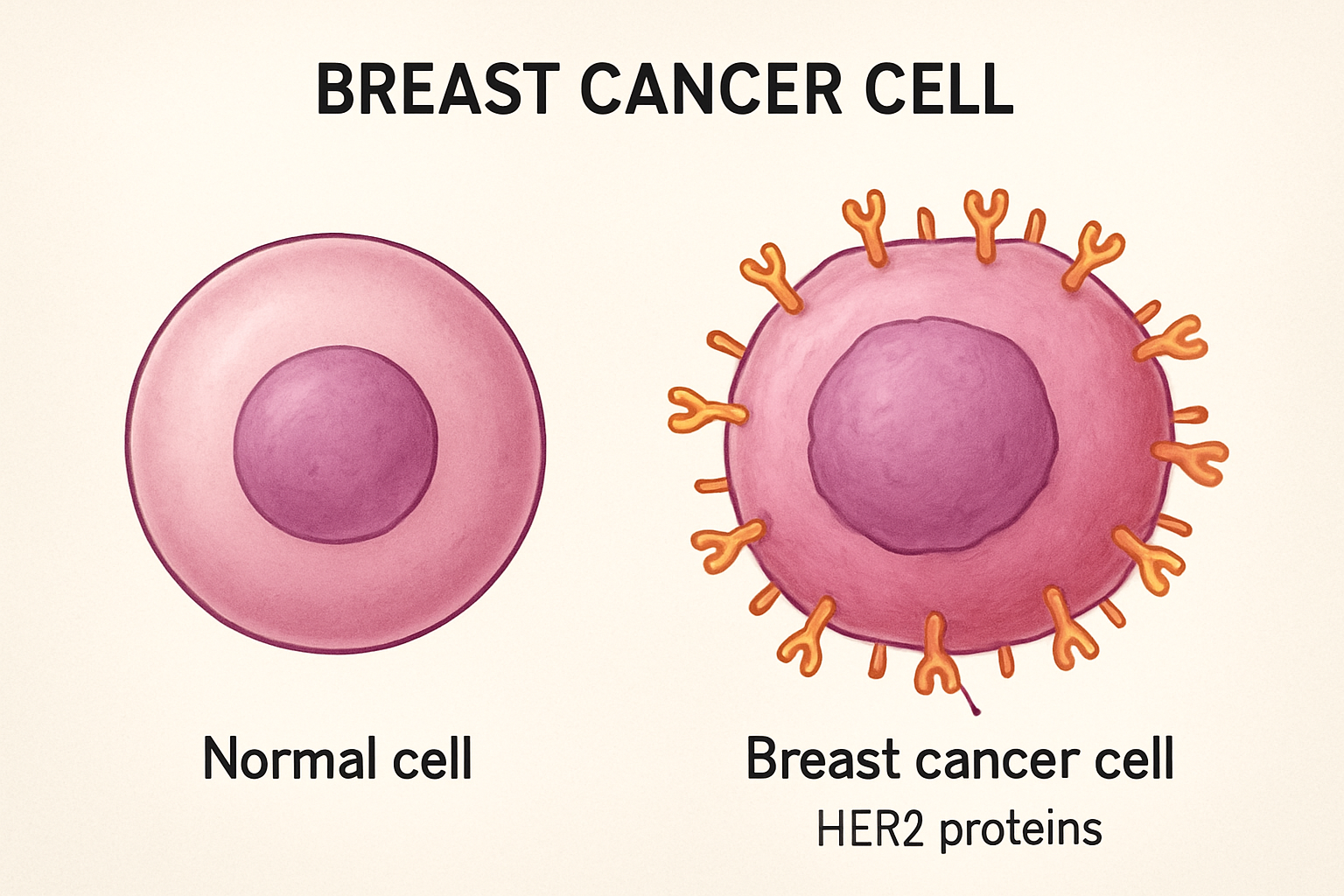
Understanding HER2-Positive Breast Cancer: What It Means for Your Treatment
HER2-positive breast cancer is a type defined by the overexpression of the HER2 protein, which affects both how the cancer behaves and the choice of treatment. This guide explains what HER2-positive status means, how it’s diagnosed, and what it means for personalized care. Understanding your HER2 status empowers you and your care team to select…
-
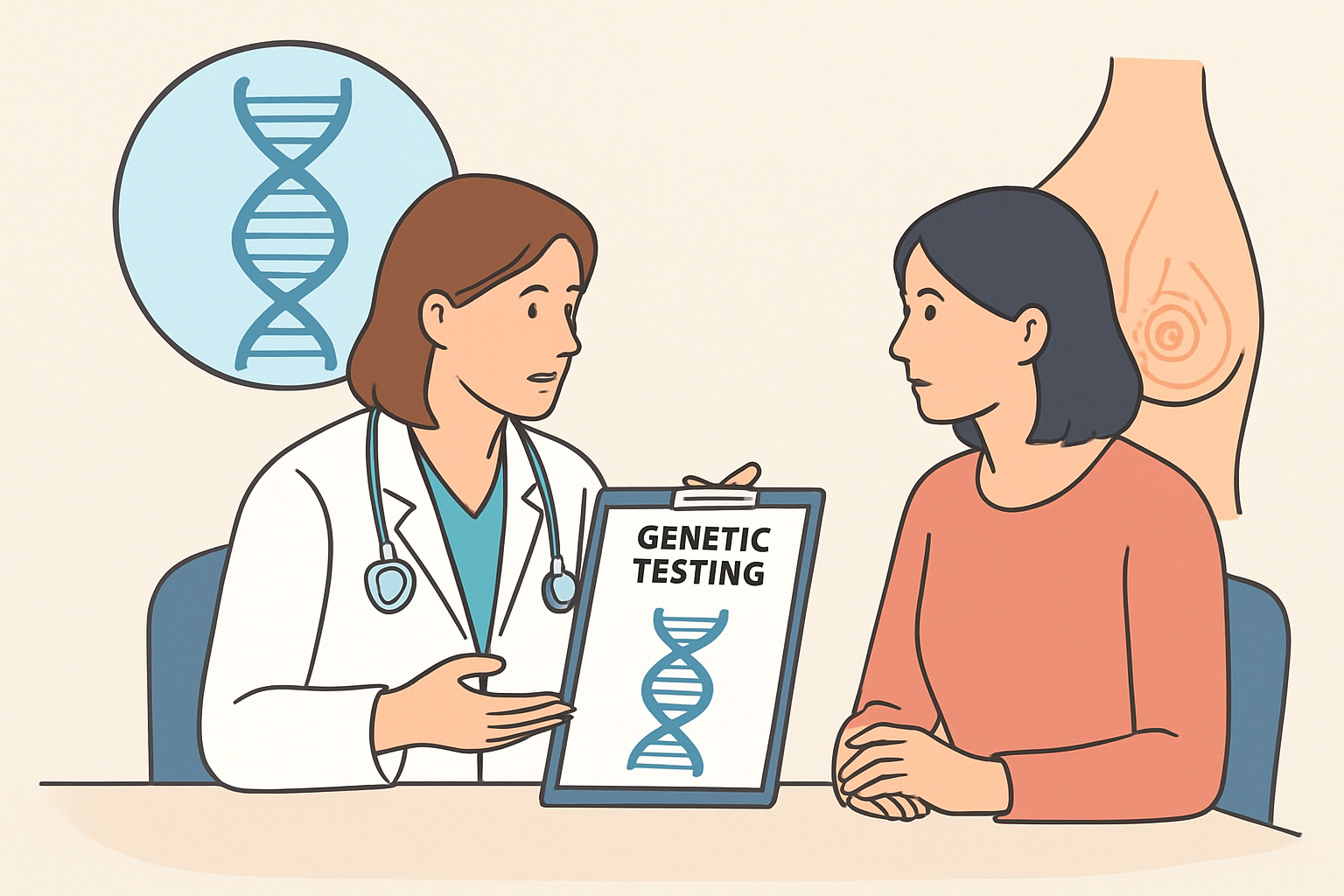
Understanding Genetic Testing in Breast Cancer: What Patients Should Know
This comprehensive guide explains the role of genetic testing in breast cancer, focusing on what newly diagnosed patients and those at higher risk should understand. Learn about the benefits, process, and implications of genetic testing to support informed decisions about your breast health.
-
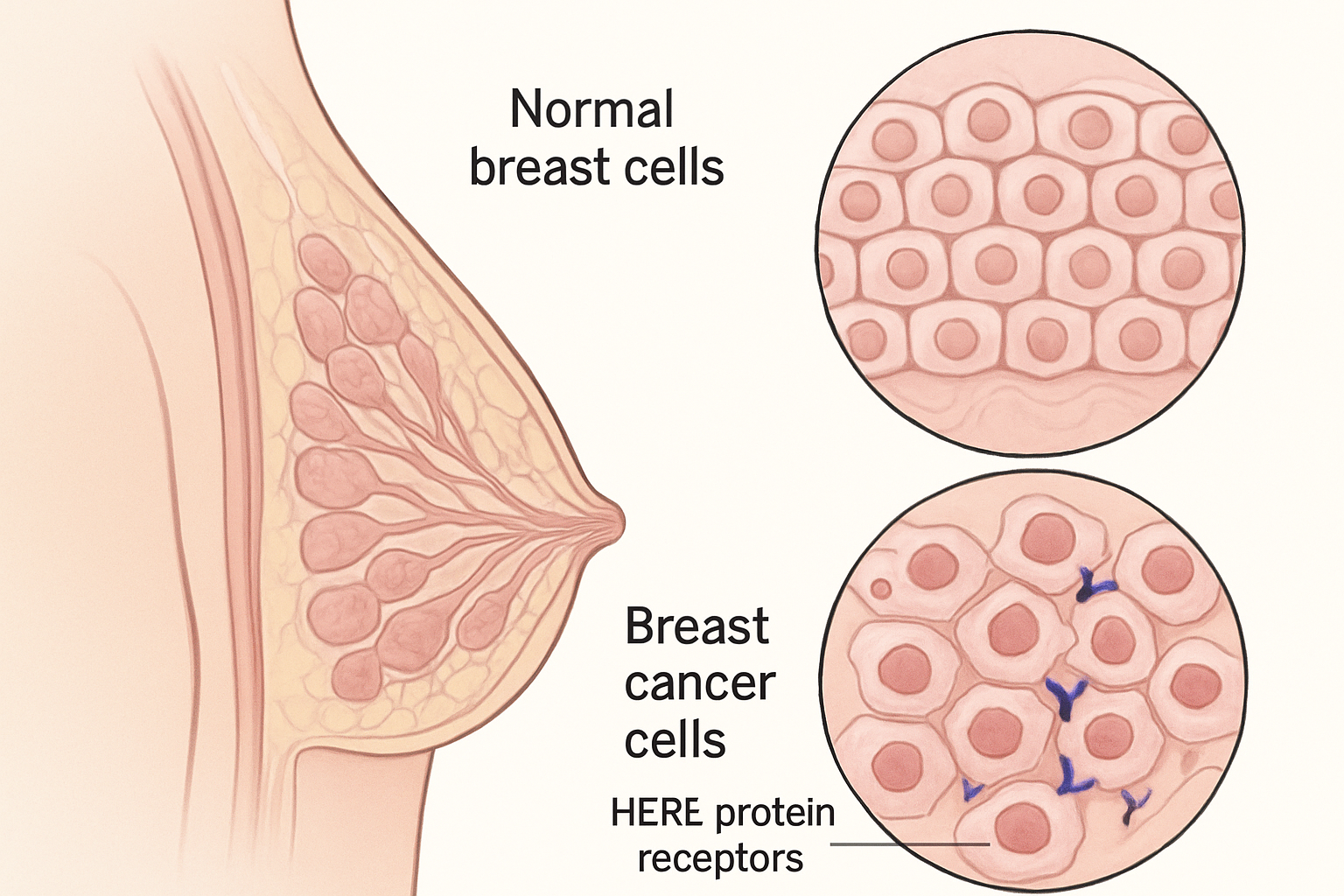
Understanding HER2-Positive Breast Cancer: A Comprehensive Guide
HER2-positive breast cancer is a distinct type of breast cancer that involves the overexpression of the HER2 protein, affecting treatment and prognosis. This guide explains what HER2-positive means, how it differs from other breast cancer types, and what patients and families need to know. Get clear, supportive information about diagnosis, typical treatments, and next steps.
-
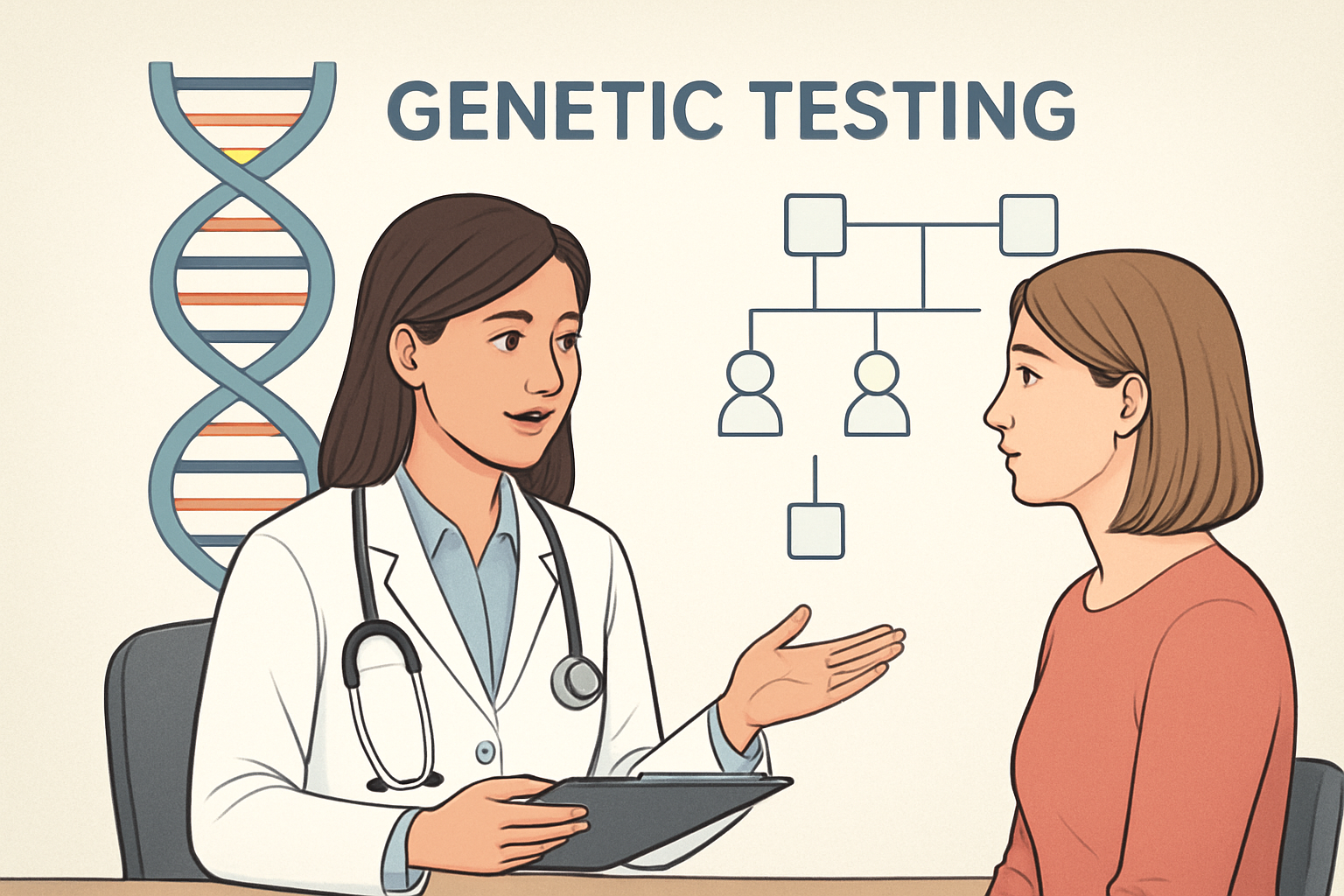
Navigating Genetic Testing for Breast Cancer: What Patients and Families Need to Know
Genetic testing can play an important role in understanding breast cancer risk for patients and their families. This guide explains what genetic testing is, how the process works, who might consider it, and what the results could mean for future care. By understanding the basics, patients and caregivers can make informed choices with their healthcare…
-
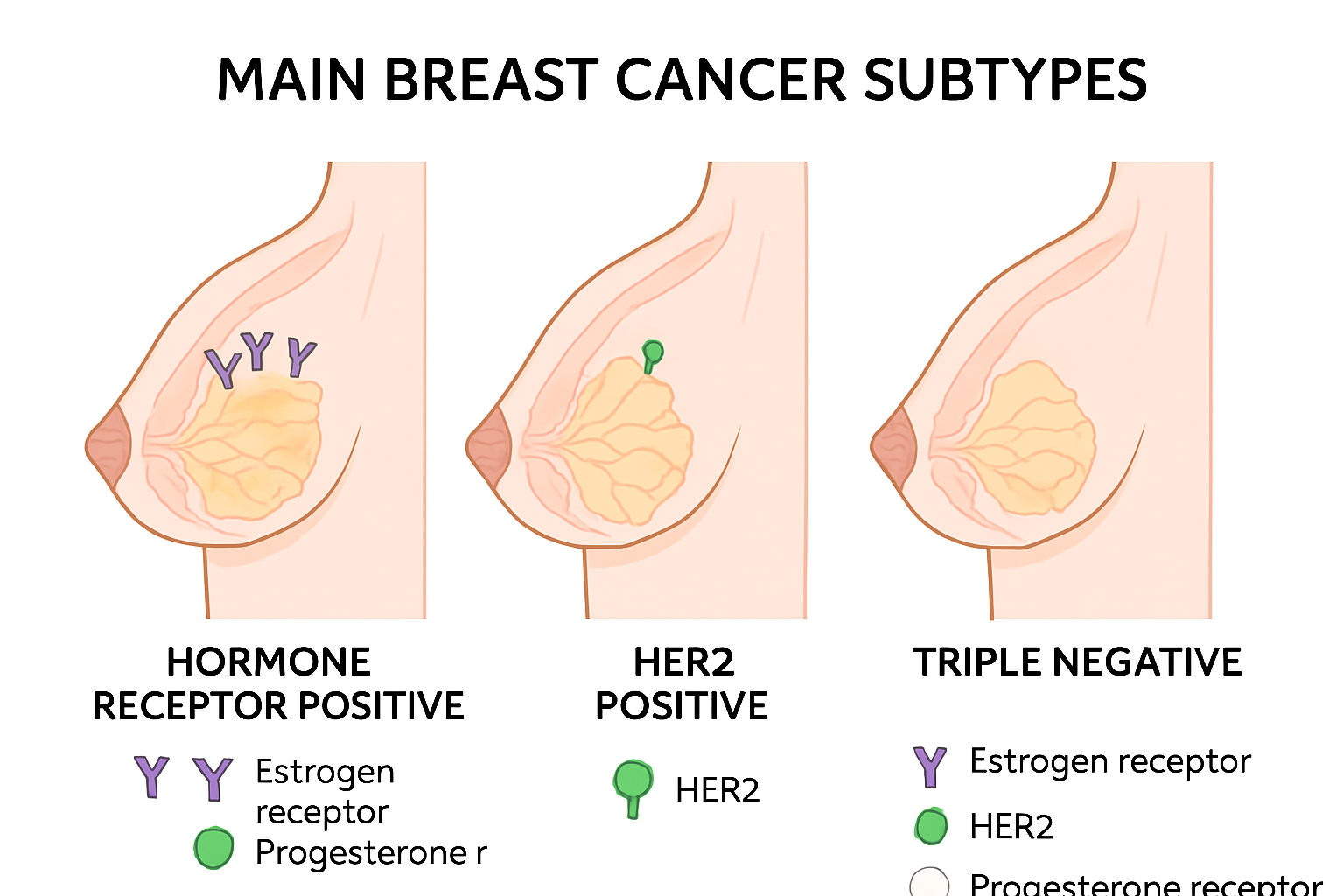
Understanding Breast Cancer Subtypes and Their Treatment Implications
Breast cancer is not a single disease but a collection of subtypes, each with its own characteristics and treatment approaches. This guide explains the main breast cancer subtypes, how they are diagnosed, and how they influence your treatment and prognosis. Knowing your subtype is essential for understanding your care plan.
-
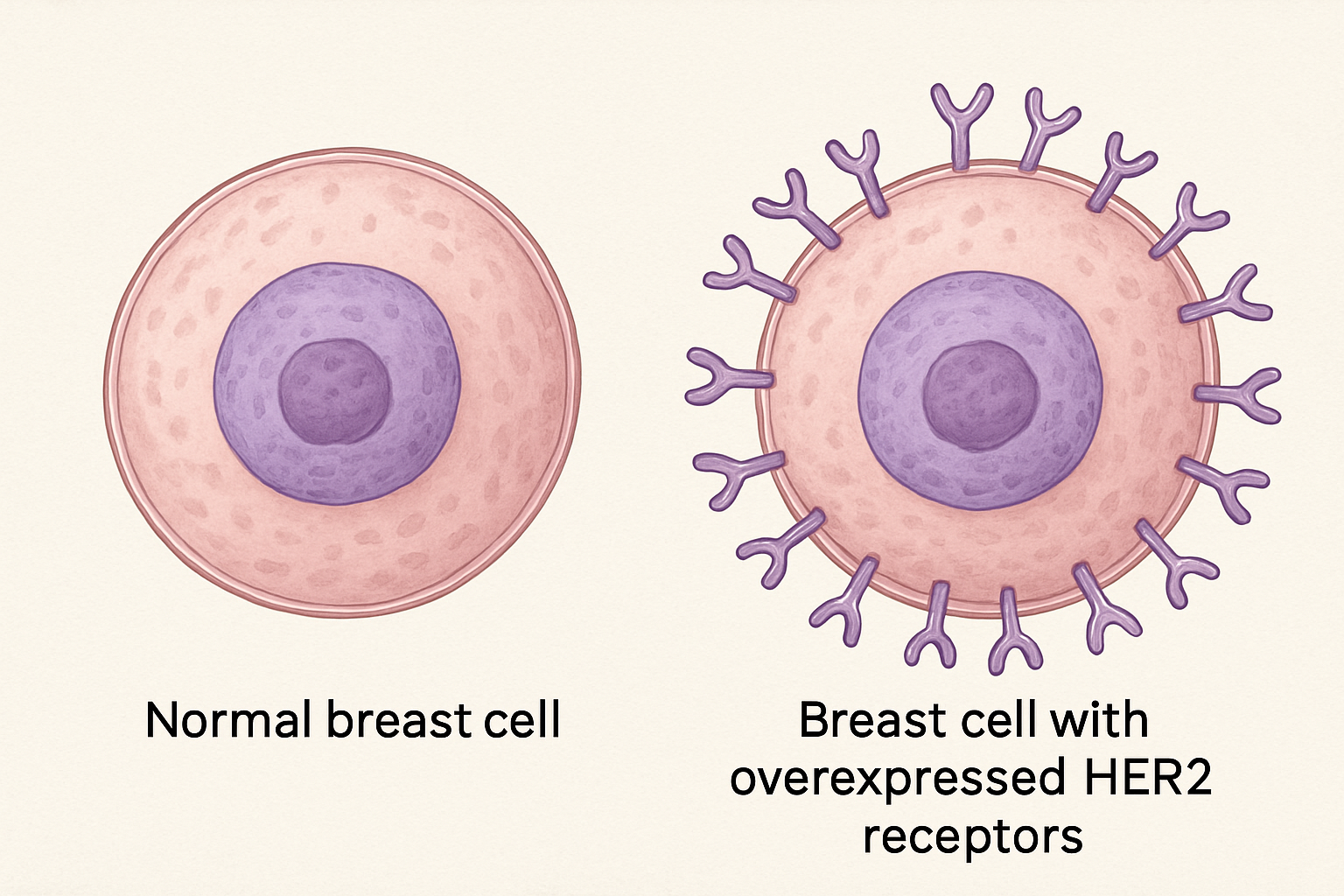
Understanding HER2-Positive Breast Cancer: What Patients Need to Know
HER2-positive breast cancer is a distinct subtype that plays a pivotal role in determining diagnosis, prognosis, and treatment choices. This guide explains what HER2 means, how it impacts breast cancer care, and the decisions patients and families may face. Understanding HER2-positive breast cancer helps patients prepare for personalized treatment discussions.
-
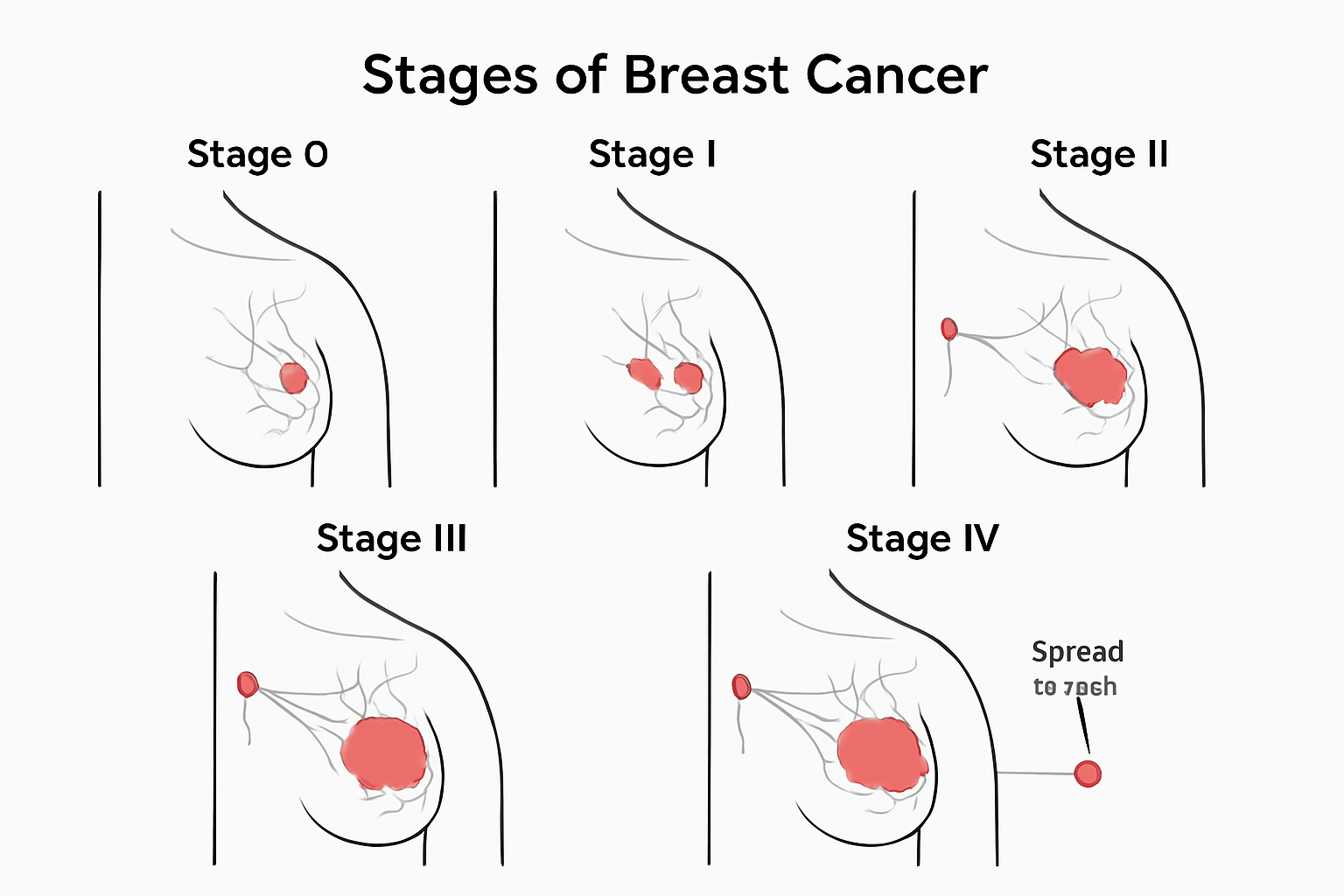
Understanding the Stages of Breast Cancer: What Each Stage Means
This in-depth guide explains the stages of breast cancer, what staging means, and how it can impact treatment decisions. Learn how doctors determine the extent of disease and what patients should understand at each stage.
-
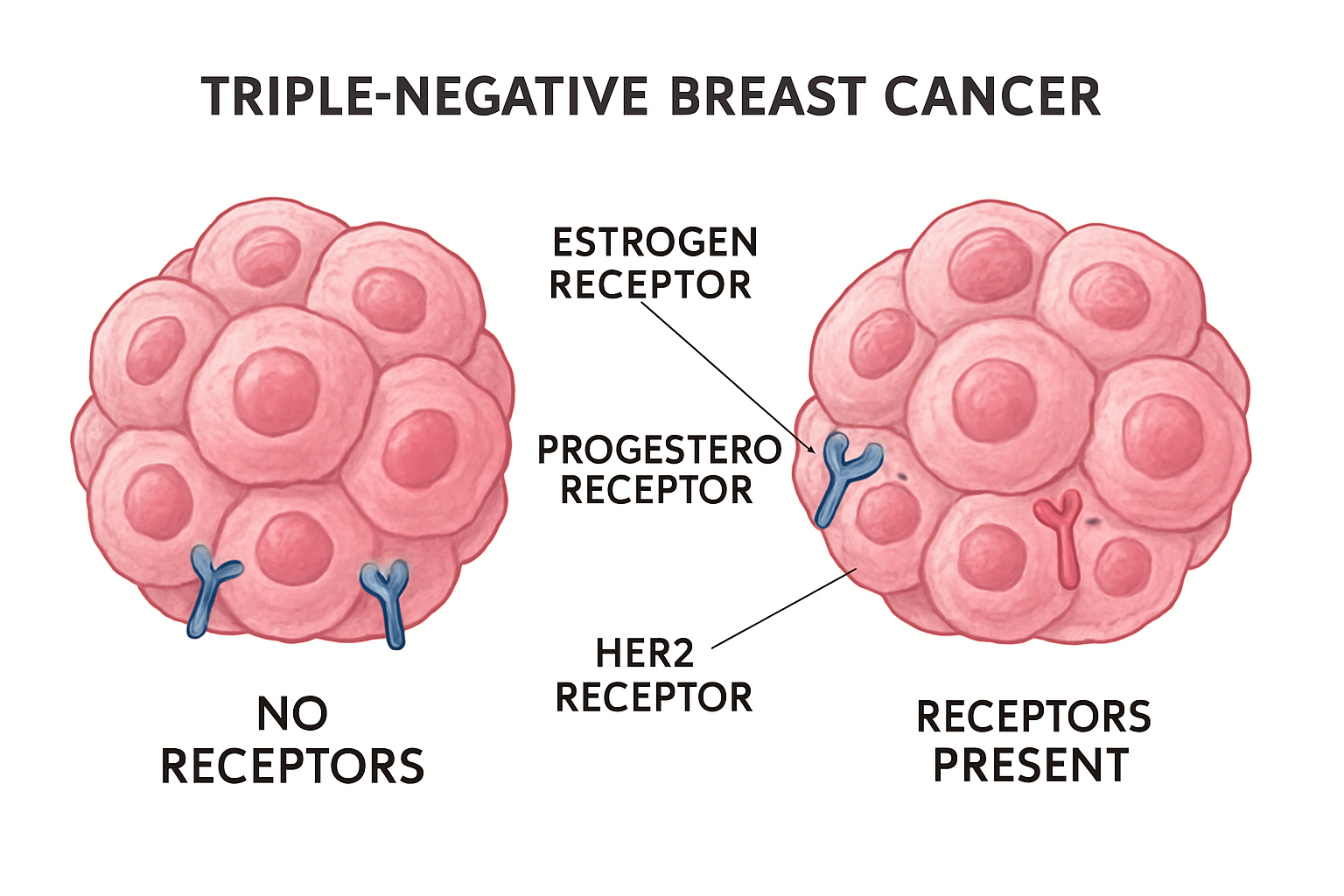
Understanding Triple-Negative Breast Cancer: Challenges and Progress
Triple-negative breast cancer (TNBC) is a distinct and aggressive subtype of breast cancer that lacks three common receptors. This guide explains how TNBC differs from other types, discusses diagnosis, and reviews available treatment options and evolving research.
-

Understanding Early Signs: When to Discuss Breast Changes with Your Doctor
Early detection of breast cancer or other breast conditions often relies on recognizing subtle changes in breast tissue. This guide explains common breast changes, when to seek medical advice, and why timely communication with your healthcare provider matters. Understanding the early signs can make a difference in outcomes and peace of mind.
-
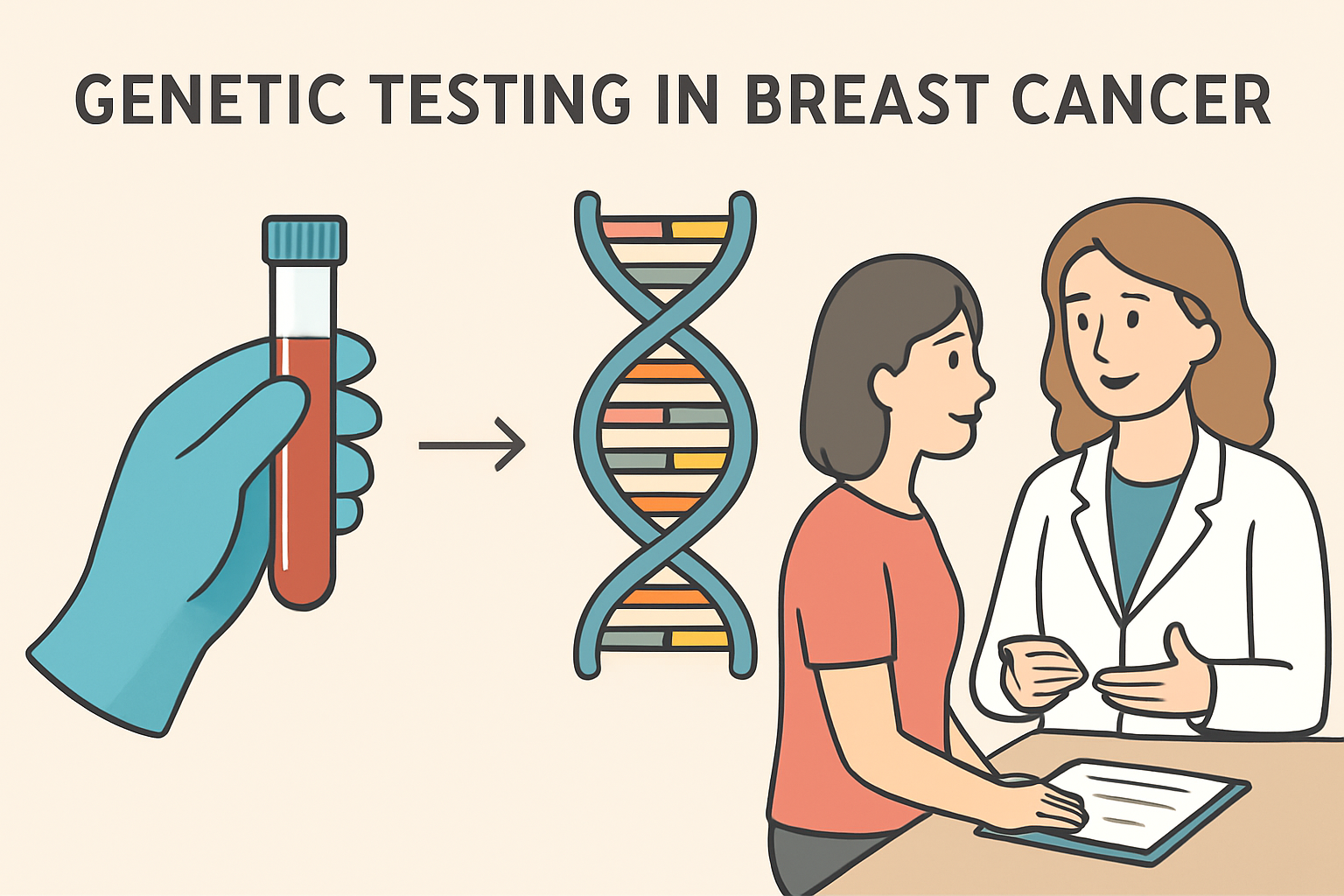
Understanding Genetic Testing in Breast Cancer: What Patients and Families Should Know
Genetic testing can play a critical role in diagnosing breast cancer, informing treatment options, and identifying cancer risk in families. This comprehensive guide explains the basics of genetic testing for breast cancer, what the results may mean, and how patients and families can use this information to make informed healthcare decisions.
-

What to Expect After a Breast Cancer Diagnosis: Navigating the First Month
A new breast cancer diagnosis can be overwhelming. This guide provides a clear roadmap for patients and caregivers navigating the first month, from understanding the diagnosis to planning the next steps. Learn what happens, what to ask, and how to find support.
-

Understanding Triple-Negative Breast Cancer: What Patients and Families Need to Know
Triple-negative breast cancer (TNBC) is a unique and more aggressive subtype of breast cancer. This comprehensive guide explains what makes TNBC different, how it’s diagnosed, and what patients and families can expect during treatment. Learn about the latest insights and what to consider after a diagnosis.
-

Navigating Breast Cancer: Understanding Your Pathology Report
Understanding a breast cancer pathology report can feel overwhelming for patients and families. This guide explains the key terms, what the main sections mean, and how this information shapes treatment decisions. By clarifying the basics, readers can feel more informed and empowered during a challenging time.
-

Understanding Genomic Testing: What It Means for Breast Cancer Treatment
Genomic testing is an important tool in breast cancer care that helps patients and doctors make more informed, personalized treatment decisions. This guide explains what genomic tests are, how they differ from genetic tests, and how results may influence treatment planning.
-
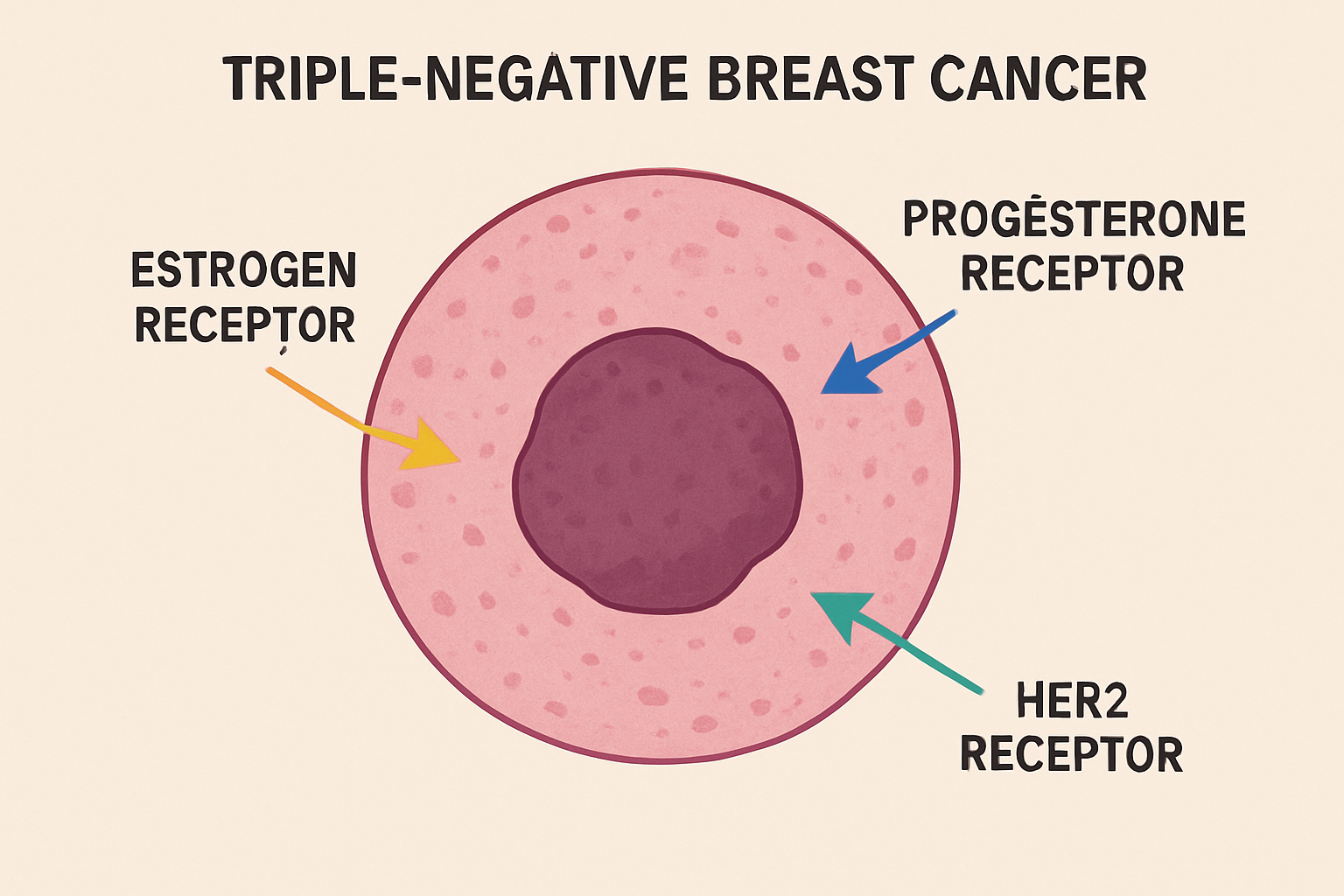
Understanding Triple-Negative Breast Cancer: Challenges and Hope
Triple-negative breast cancer (TNBC) is a unique and aggressive form of breast cancer. This guide explains what makes TNBC different, how it is diagnosed, what the main challenges are, and shares insights into emerging research and hope for those affected.
-

Understanding HER2-Positive Breast Cancer: What Patients Should Know
HER2-positive breast cancer is a subtype of breast cancer defined by the overexpression of the HER2 protein on cancer cells. Learning about HER2 status is key for understanding treatment choices and prognosis. This comprehensive guide explains how HER2-positive breast cancer is diagnosed, what makes it different, and what patients should expect from modern therapies.
-
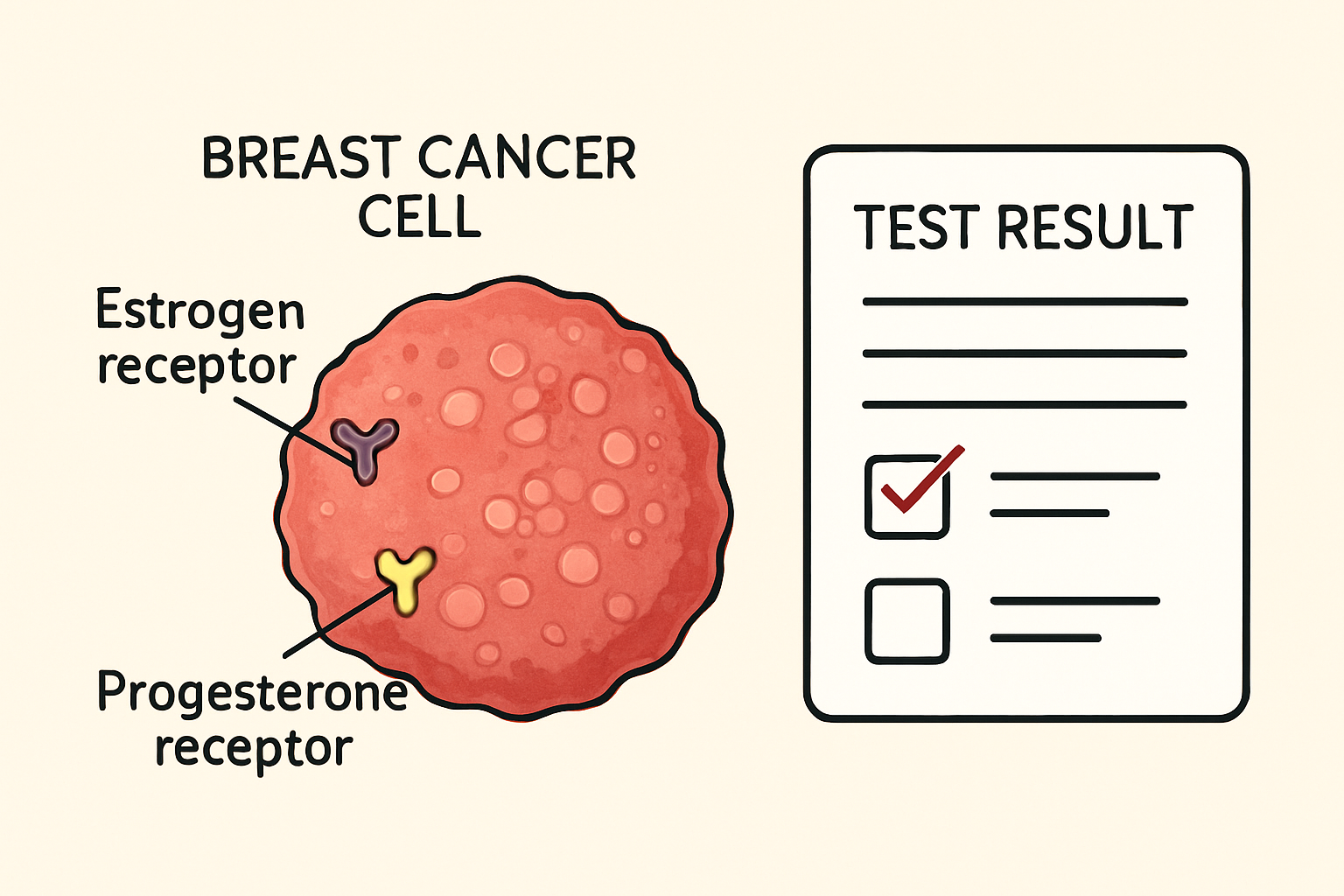
Understanding Hormone Receptor Status in Breast Cancer: A Simple Guide
Hormone receptor status helps guide breast cancer diagnosis and treatment decisions. This article explains what hormone receptors are, how they are tested, and why the results matter for patients. Understanding receptor status is key to making informed choices about breast cancer care.
-

Understanding Triple-Negative Breast Cancer: A Patient’s Guide
Triple-negative breast cancer (TNBC) is a unique and aggressive subtype of breast cancer that lacks certain hormone receptors and the HER2 protein. This guide explains what makes TNBC different, how it is diagnosed, treatment options, and what patients and families should know about living with this diagnosis.