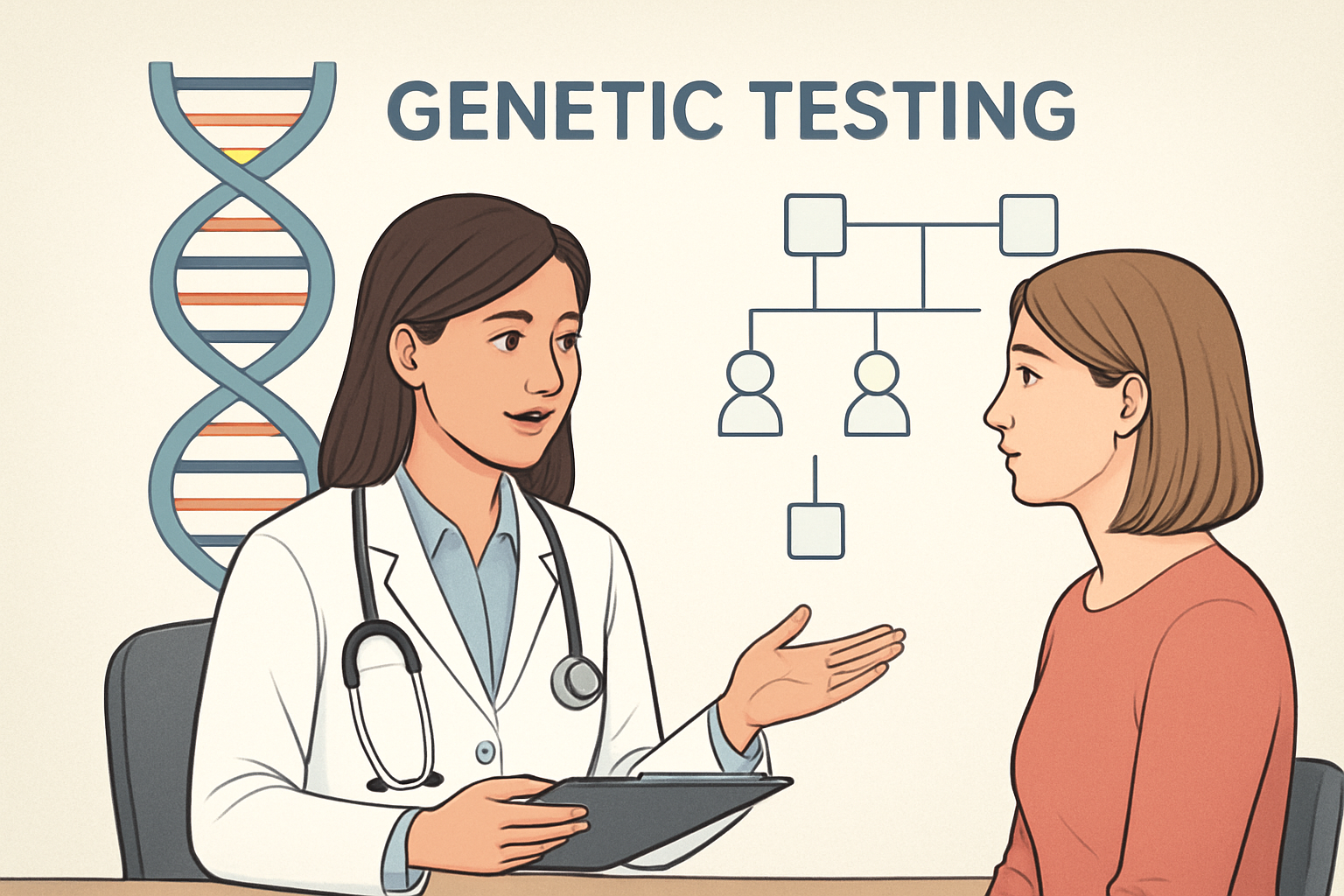
Breast cancer is one of the most common cancers worldwide, affecting millions of women—and some men—each year. Over the past two decades, scientists have learned that genetics can play a major role in breast cancer risk. For patients and families, understanding if—and when—genetic testing might help can be confusing and sometimes emotional. This guide is designed to provide a clear overview of genetic testing for breast cancer, who it may benefit, what the process involves, possible outcomes, and what to consider before, during, and after your decision.
Key Takeaway
Genetic testing for breast cancer can offer valuable information about personal and family risk, but it’s important to understand the process, implications, and options for follow-up support. Discuss testing decisions carefully with your medical team and a genetic counselor.
Understanding Genetic Testing for Breast Cancer
Genetic testing uses a small blood or saliva sample to look for changes (mutations or variants) in certain genes that may greatly increase the risk of developing breast cancer. The most widely known genes linked to inherited breast cancer risk are BRCA1 and BRCA2, but there are others—including PALB2, ATM, CHEK2, TP53 and several more—that can also raise risk if altered.
The majority of people who develop breast cancer do not carry one of these inherited mutations. However, people with a strong personal or family history of breast and/or ovarian cancer may have a greater chance of carrying a genetic change that increases risk—making genetic testing a particularly important option for these individuals.
Who Should Consider Genetic Testing?
The decision to pursue genetic testing is very personal and often guided by medical and family history. Some groups who may benefit from discussing genetic testing with their healthcare team or a licensed genetic counselor include:
- People diagnosed with breast cancer under age 50, especially if there is also a family history of breast, ovarian, prostate, or pancreatic cancer.
- Individuals with triple-negative breast cancer (cancer cells lack estrogen, progesterone, and HER2 receptors) diagnosed under age 60.
- Anyone with a known BRCA1 or BRCA2 mutation in their family.
- Men who have been diagnosed with breast cancer.
- People with multiple close relatives who have had breast cancer, especially at a young age, or related cancers (such as ovarian or pancreatic cancer).
- People of certain ancestries (such as Ashkenazi Jewish descent), which can carry higher risks of specific gene mutations.
Guidelines from groups like the National Comprehensive Cancer Network (NCCN) and the American Society of Clinical Oncology (ASCO) are frequently updated as new research emerges, so always consult your care team about current recommendations.
The Genetic Testing Process: What to Expect
If you and your care team decide that genetic testing makes sense for you, the following steps are usually involved:
- Pre-Test Counseling: Before the test, you’ll typically meet (in person or virtually) with a genetic counselor or a trained healthcare provider. They’ll explain how testing works, what it can—and can’t—tell you, and what the possible results mean. This session is also a chance to ask questions about costs, insurance, emotional impacts, and privacy.
- Sample Collection: Testing usually uses a blood sample, but sometimes saliva or cheek swabs. The sample is sent to a specialized laboratory.
- Analysis: The lab looks for gene changes associated with increased breast cancer risk. “Panel tests” may look for mutations in many cancer genes at once.
- Results and Post-Test Counseling: Results are sent back to your counselor or doctor, who will help explain them and discuss next steps and options.
Turnaround time can range from a couple of weeks to several months, depending on the specific test.
Understanding Genetic Test Results
Genetic test results usually fall into one of the following categories:
- Positive: A mutation linked to a higher risk of breast cancer was found. This doesn’t guarantee cancer will occur, but it means your lifetime risk is higher than average.
- Negative: No mutation was found in the genes tested. For some, this lowers concern; for others (especially if strong family history exists), this may not fully rule out inherited risk from genes not tested or not yet discovered.
- Variant of Uncertain Significance (VUS): A gene change was found, but it’s not clear if it increases cancer risk. Most VUS results are eventually found to be harmless, but clinical guidance may vary, and ongoing research continues.
Genetic counselors can be invaluable for helping patients understand these results and translating them into practical next steps.
Benefits and Limitations of Genetic Testing
Genetic testing offers potential benefits but also carries some limitations. Understanding both is essential for informed decision-making.
Potential Benefits
- Empowerment and Awareness: Knowing your genetic risk can help you make proactive choices regarding screening, prevention, and family planning.
- Personalized Care: Positive results may lead to tailored screening plans (such as earlier or more frequent mammograms or MRI scans) or options for preventive surgery and medications.
- Family Impact: If a genetic mutation is found, other family members may also choose to be tested, allowing them to manage their own risks.
- Treatment Implications: For some with a breast cancer diagnosis, certain targeted therapies may be available for those who test positive for specific gene mutations (for example, PARP inhibitors for BRCA mutation carriers).
Limitations and Considerations
- Emotional Impact: Testing can bring relief, but also anxiety, fear, or guilt, especially regarding family risk.
- Uncertain Results: A VUS result can be challenging to interpret and may cause confusion or worry until more is learned.
- Insurance and Privacy: In some countries, there are laws to protect against genetic discrimination (such as GINA in the United States), but privacy and insurance coverage can still be concerns. Discuss these issues openly with your care team.
- Testing Limits: Not all inherited breast cancers can be detected with current tests. A negative result doesn’t always mean “no risk.” Your family’s cancer history still matters.
What Patients Should Know
If you’re considering genetic testing or have just received results, it’s natural to have many questions. Here are some important things to keep in mind:
- Testing is a Choice: Not everyone with breast cancer or a family history needs genetic testing, and not everyone will want it. Individual values and circumstances matter.
- Genetic Counseling is Important: Trained counselors provide crucial support before and after testing, helping you navigate emotional reactions, understand your results, and decide on next steps for you and your family.
- Your Results = Family Information: Because gene changes can be inherited, your results may provide useful insights for close relatives. Family discussions can be challenging, but genetic counselors can help guide these conversations.
- Testing Technology is Improving: New genes are being discovered and understood each year, so recommendations—and occasionally, how results are interpreted—may change with time. Stay in touch with your care team for updates.
- A Positive Test Does Not Mean You Will Get Cancer: It simply means your risk is higher, and there are steps you and your care team can consider to monitor or reduce risk.
Above all, genetic testing is a tool—not a verdict. For many, it offers the chance to take stronger charge of their health and family’s wellbeing, even though deciding to pursue testing is sometimes a difficult and emotional process. Take your time, seek counseling, and ask your care team about local, national, or online support resources.
Sources
National Cancer Institute (NCI), American Society of Clinical Oncology (ASCO), National Comprehensive Cancer Network (NCCN), Breast Cancer Now, FORCE: Facing Our Risk of Cancer Empowered, UK NHS, CDC.
Leave a Reply