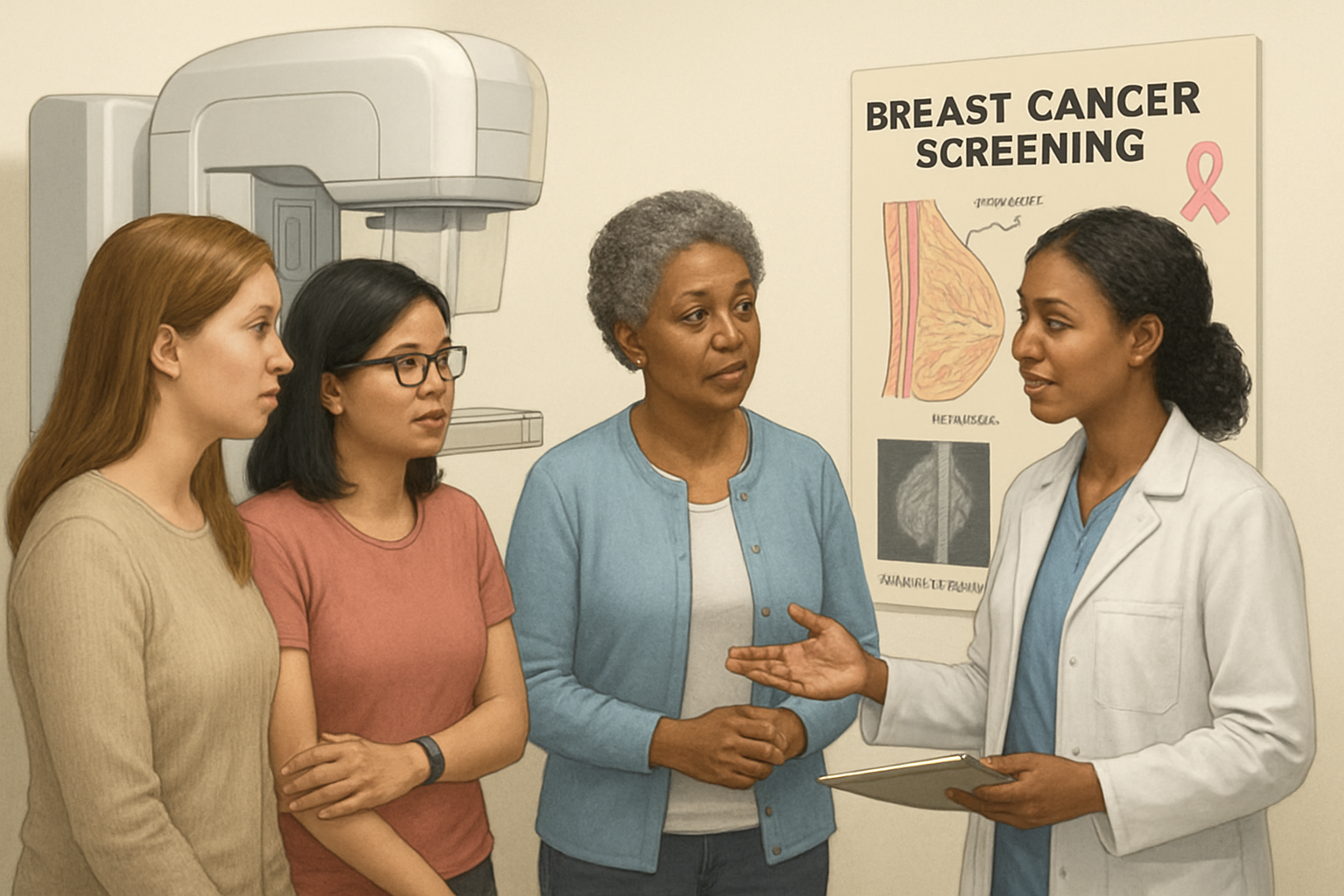
Breast cancer remains one of the most common types of cancer affecting women worldwide. Thanks to advances in early detection and screening, more breast cancers are being found at an early—and more treatable—stage than ever before. Yet, the process of early detection can sometimes seem complicated or intimidating. In this guide, we will demystify early diagnosis methods, explain common screening options, and share practical, evidence-based advice to help you or your loved one stay proactive in breast health.
Key Takeaway
Early detection of breast cancer saves lives. Knowing your risk factors, following evidence-based screening guidelines, and paying attention to changes in your breasts are critical steps to catch cancer early, when it is most treatable.
Why Early Detection Matters
Detecting breast cancer early—before symptoms appear or before the cancer has spread—greatly increases the chances of successful treatment. According to the American Cancer Society and the World Health Organization, breast cancer found at earlier stages typically requires less aggressive treatments, has higher survival rates, and is associated with a better quality of life following diagnosis.
Some key facts about why early detection matters:
- Higher survival rates: The five-year survival rate for localized (early-stage) breast cancer can be over 99% in some countries.
- Less invasive treatment: Early-stage cancers may be managed with less extensive surgery or non-surgical therapies.
- Better outcomes for families: Early support and planning can improve quality of life for patients and caregivers.
How Breast Cancer Is Detected Early
Early detection involves two main approaches:
- Screening: Using standardized tests (even when you have no symptoms), such as mammography, to identify possible cancer early.
- Awareness of symptoms: Noticing and reporting any physical changes in your breasts as soon as possible.
Let’s look at these in practical detail.
Mammograms: The Gold Standard for Screening
A mammogram is a low-dose X-ray of the breast. It is the most widely used tool for screening because it can detect abnormalities before they can be felt. Major health organizations such as the American Cancer Society, U.S. Preventive Services Task Force, and European Cancer Organisation recommend regular mammograms for average-risk women, starting typically between ages 40 and 50 depending on local guidelines. Screening may be recommended earlier for women with higher risk (for example, those with a strong family history or genetic predisposition).
What to expect:
- You’ll have your breast gently compressed between two plates for a few seconds while the images are taken.
- The images are reviewed by a radiologist who looks for any signs that might suggest cancer or pre-cancerous changes.
How often should you get a mammogram?—Guidelines differ by region and risk. Many recommend every 1–2 years starting between age 40 and 50. Speak to your doctor for advice based on your personal risk factors and local practices.
Other Screening Methods
- Breast Ultrasound: Sometimes used as a follow-up to a mammogram, or for women with dense breast tissue.
- Magnetic Resonance Imaging (MRI): Recommended for women at high risk (such as those with BRCA gene mutations or a very strong family history), often in combination with mammograms.
- Clinical Breast Exam: A healthcare provider manually examines your breasts for lumps or other changes. This exam may supplement, but does not replace, imaging-based screening.
Routine screening is not currently recommended for most men unless they have a significant genetic predisposition.
Self-Awareness and Symptom Recognition
Every woman’s breast tissue feels different, and it can change with age, menstrual cycle, and pregnancy. While “self-exam” is no longer considered a replacement for screening, being familiar with what is normal for your body is still important.
Changes to watch for include:
- Lumps or thickening that feels different from the rest of the breast
- Change in size, shape, or appearance of the breast
- New dimpling, puckering, or redness of the skin over the breast
- Nipple changes (inversion, discharge that is bloody or clear, or sores)
- Persistent pain in one area that doesn’t go away
If you notice any of these changes, see a healthcare provider promptly. Most changes will not be cancer, but only a professional examination can determine the cause.
Risk Factors: Understanding Your Own Profile
Knowing what increases breast cancer risk helps you and your doctor decide on the right screening plan. Risk factors include:
- Age (risk increases as women get older)
- Family history (close relatives with breast or ovarian cancer)
- Genetic mutations (such as BRCA1 or BRCA2)
- Personal history of breast or certain other cancers
- Dense breast tissue
- Reproductive history (early menstrual periods, late menopause, never having given birth, or having a first baby after age 30)
- Hormone replacement therapy (long-term use)
- Lifestyle factors (alcohol, obesity, physical inactivity)
Some women may also benefit from genetic counseling or additional imaging based on their risk profile.
Common Questions and Misconceptions
- “If I feel healthy, do I still need screening?” Yes. Breast cancers often do not cause pain or symptoms in early stages.
- “Does screening prevent cancer?” No. Screening cannot stop cancer from forming, but it can catch it when it is easier to treat.
- “Are mammograms safe?” Mammograms use very low levels of radiation, far outweighed by the benefits of early detection for most women.
Many people also worry about “false positives” (abnormal results that turn out not to be cancer) or “false negatives” (cancers that are missed). While no test is perfect, the combination of regular screening and attention to changes in your breasts is the best available strategy for most people.
Practical Steps to Take
- Know your personal and family history.
- Talk to your healthcare provider about when to start screening and how often to continue.
- Attend all scheduled mammograms or recommended imaging tests.
- Be alert to changes in your breasts and report them promptly.
- Maintain a healthy lifestyle—regular exercise, a balanced diet, limiting alcohol, and keeping a healthy weight.
- If you are at high risk, ask about risk assessment, genetic counseling, and whether you should consider MRI or other advanced screening tools.
Key Takeaway
Routine screening, self-awareness, and working with your healthcare team are your best defense against advanced breast cancer. Take steps now to understand your risk and follow the guidance that fits your personal situation.
What Patients Should Know
If you are concerned about breast cancer or are supporting a loved one:
- Screening saves lives, but the right approach varies based on age, risk, and health status; ask your doctor or nurse about what’s right for you.
- Stay up to date: Guidelines change over time as research evolves—checking in regularly with a healthcare provider is important.
- Breast changes are common and not always cancer—don’t panic, but always have new changes evaluated.
- If you have limited resources or face barriers to care, ask about local or national programs that may help you access screening services.
- Remember: Early detection is a partnership between you and your healthcare team.
Sources
American Cancer Society, World Health Organization, U.S. Preventive Services Task Force, European Cancer Organisation, Breastcancer.org, National Cancer Institute.
This article provides general information for educational purposes and does not constitute medical advice. Patients should consult their healthcare provider for recommendations tailored to their individual situation.
Leave a Reply