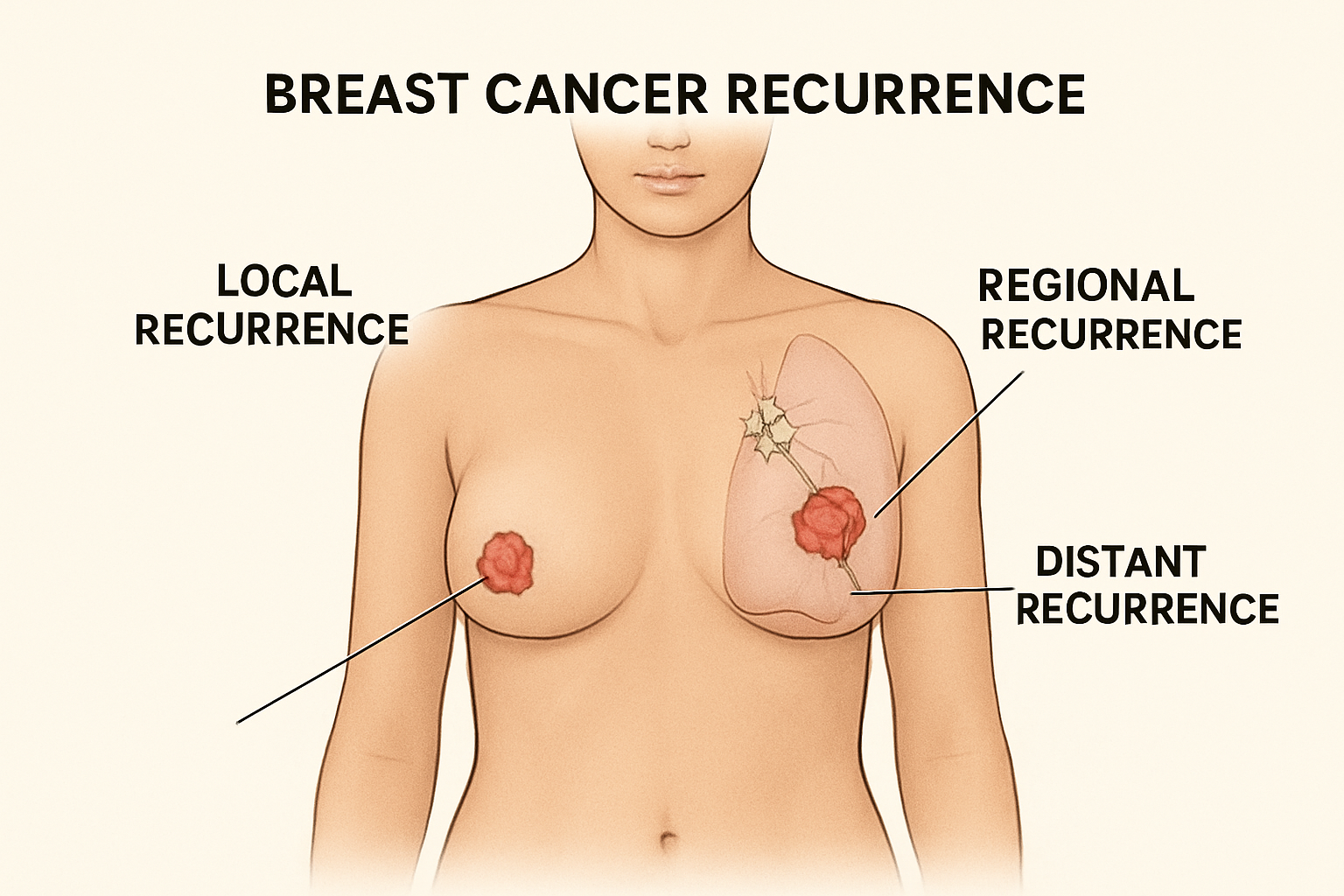
For many patients and families, hearing the word “recurrence” after breast cancer treatment can be a source of deep worry and confusion. Understanding what breast cancer recurrence is, why it can happen, and how to reduce your risk are important steps along your path of recovery and long-term health. This comprehensive guide will explain the basics of breast cancer recurrence, highlight important warning signs, review prevention strategies, and address common questions so that patients, caregivers, and loved ones can feel equipped and supported.
Key Takeaway
Breast cancer recurrence means the return of cancer after initial treatment. Knowing the signs, risk factors, and prevention strategies can empower patients and families to stay vigilant and proactive.
What Is Breast Cancer Recurrence?
Breast cancer recurrence occurs when cancer returns after a period during which it could not be detected. A recurrence can happen months or even years after the initial treatment and may appear in the same place as the original tumor or in other parts of the body.
- Local recurrence: Cancer returns in the same breast, chest wall, or near the original site.
- Regional recurrence: Cancer comes back in nearby lymph nodes (under the arm, above the collarbone, or near the breastbone).
- Distant recurrence (metastasis): Cancer spreads to distant organs such as the bones, liver, lungs, or brain.
About 5–30% of breast cancer patients may experience a recurrence, depending on cancer type, stage at diagnosis, and treatments received (according to the American Cancer Society and National Cancer Institute).
Why Does Recurrence Happen?
Even after successful treatment, a tiny number of cancer cells may remain in the body, undetectable by scans or blood tests. Over time, these cells can survive, grow, and eventually cause the cancer to come back. Several factors can influence recurrence risk, such as:
- Cancer stage at diagnosis: Higher stage cancers have a higher risk.
- Type and biology of the tumor: Aggressive types (like triple-negative breast cancer) have a greater likelihood of recurrence.
- Lymph node involvement: Cancers that spread to nearby lymph nodes are more likely to return.
- Treatment choices: The combination and effectiveness of surgery, chemotherapy, radiation, and hormonal therapy all impact risk.
- Individual factors: Genetics (like BRCA1/BRCA2 mutations), age, and overall health matter.
It’s important to remember that recurrence is never a patient’s fault. Cancer biology is complex, and recurrence can occur even when all recommended treatments and follow-up are completed.
Early Signs and Symptoms of Breast Cancer Recurrence
Recognizing potential warning signs of a recurrence allows for earlier diagnosis and treatment. Many recurrences are caught during routine follow-up appointments, but you should alert your healthcare team if you notice:
- A new lump or thickening in the breast, chest, or underarm area
- Redness, swelling, or changes in the skin of the breast or chest wall
- Unexplained pain in the chest, bones, back, or another specific location
- Persistent cough, trouble breathing, or new shortness of breath
- New, persistent headaches or vision changes
- Unexpected weight loss or ongoing fatigue
Keep in mind, most new symptoms are not due to recurrence but should always be evaluated. Honest and frequent communication with your healthcare team is key.
Reducing Your Risk: Prevention and Lifestyle
Although it’s not possible to guarantee cancer will not return, there are proven actions patients can take to lower their risk:
- Complete all recommended therapy: This may include endocrine therapy (like tamoxifen or aromatase inhibitors), chemotherapy, HER2-targeted agents, and/or radiation as advised by your physician.
- Follow your follow-up schedule: Regular checkups help catch recurrences early.
- Address lifestyle factors: Maintaining a healthy weight, being physically active, limiting alcohol, not smoking, and eating a balanced diet all play a role.
- Medication adherence: If prescribed long-term oral medicines for breast cancer, taking them as directed is crucial.
- Know your genes: Genetic counseling/testing may be recommended if you have a family history or other risk factors.
Discuss any questions about risk reduction strategies with your care team.
Diagnosis After Recurrence: What Happens Next?
If there is suspicion or confirmation of recurrence, your healthcare team may recommend a variety of tests. This can include:
- Physical exams and detailed symptom review
- Imaging studies such as mammography, ultrasound, MRI, CT, or bone scans
- Biopsies to analyze any new growths
After confirming recurrence, your doctor will review the stage, location, and characteristics of the cancer. New treatment plans are tailored according to these details as well as your health and preferences. These may include additional surgery, new medicines, radiation, or participation in clinical trials.
Understanding Prognosis and Emotional Impact
Facing possible recurrence can be emotionally taxing. Statistics about the likelihood of recurrence or survival are based on large groups, not individuals. Many people live for years, sometimes decades, following a recurrence. Advances in treatment have improved outcomes, even in cases of metastatic breast cancer.
Patients often benefit from support of loved ones, mental health professionals, peer groups, and organizations like Breastcancer.org or Cancer Support Community. Emotional, financial, and practical support is just as important as medical care.
Living With Uncertainty: Coping Strategies
It is normal to experience anxiety about cancer returning, often called “fear of recurrence.” Ways to manage this fear include:
- Openly discussing concerns with your oncology team
- Accessing support groups or survivor networks
- Seeking counseling or mental health support
- Practicing stress-reduction techniques such as yoga, meditation, or gentle exercise
- Focusing on quality of life and meaningful daily activities
There is no “right” or “wrong” way to cope. Seek help if fear of recurrence interferes with daily life.
What Patients Should Know
If you or your loved one has been treated for breast cancer, recurrence remains a possibility, but it is not inevitable. Most breast cancer survivors never experience a recurrence. Understanding the patterns and risks can help you ask meaningful questions during follow-up visits. Be proactive about screenings, attend all recommended appointments, and maintain healthy habits—but also remember to live your life beyond the shadow of cancer.
Open communication, support, and regular connection with your care team are powerful tools for dealing with risk and uncertainty. If a recurrence does happen, there are many treatment options and supportive resources available.
Sources
This information draws from the American Cancer Society, National Cancer Institute, Breastcancer.org, Cancer Support Community, and peer-reviewed medical literature (as of 2024).
Leave a Reply